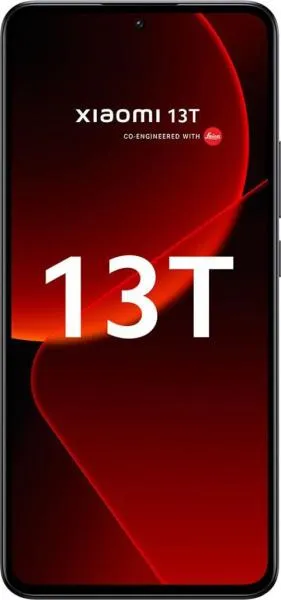
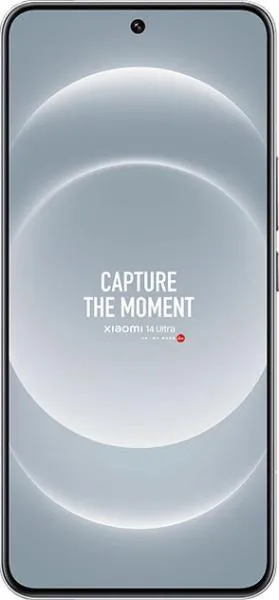
1. Specifications Comparison
| Feature | Xiaomi 13T | Xiaomi 14 Ultra | Practical Impact |
|---|---|---|---|
| Design | |||
| Dimensions | 162.2 x 75.7 x 8.5 mm | 161.4 x 75.3 x 9.2 mm | 14 Ultra slightly shorter, narrower but thicker. Negligible difference in hand feel. |
| Weight | 193g | 229.5g | 14 Ultra significantly heavier (36.5g). Noticeable difference in prolonged use. |
| Display | |||
| Size | 6.67" | 6.73" | Negligible difference in screen real estate. |
| Type | AMOLED, 144Hz | LTPO AMOLED, 120Hz | Both offer vibrant colors and deep blacks. 13T's higher refresh rate results in smoother animations and scrolling, but consumes more power. 14 Ultra's LTPO allows for dynamic refresh rate adjustment, saving battery. |
| Resolution | 1220 x 2712 (FHD+) | 1440 x 3200 (QHD+) | 14 Ultra offers significantly sharper visuals due to higher pixel density (522 vs 446 PPI). Noticeable in text clarity and image detail. |
| Peak Brightness | 2600 nits | 3000 nits | 14 Ultra slightly brighter in direct sunlight, improving outdoor readability. |
| Performance | |||
| Chipset | Mediatek Dimensity 8200 Ultra | Snapdragon 8 Gen 3 | Both are flagship-level chipsets offering excellent performance. Snapdragon 8 Gen 3 generally considered more powerful, particularly in GPU performance. |
| CPU | Octa-core (1x3.1 GHz A78 & 3x3.0 GHz A78 & 4x2.0 GHz A55) | Octa-core (1x3.3 GHz X4 & 3x3.2 GHz A720 & 2x3.0 GHz A720 & 2x2.3 GHz A520) | 8 Gen 3's more advanced architecture should deliver better performance per watt and sustained performance under heavy load. |
| GPU | Mali-G610 MC6 | Adreno 750 | Adreno 750 provides a significant advantage in graphics-intensive tasks like gaming and video editing. |
| RAM | 12GB | 16GB | 14 Ultra offers more RAM, enabling smoother multitasking and better handling of demanding applications. |
| Storage | 256GB | 512GB | 14 Ultra offers double the storage, accommodating more apps, photos, and videos. |
| Battery | |||
| Capacity | 5000 mAh | 5000 mAh | Identical battery capacity. Actual battery life depends on usage and optimization. |
| Camera | |||
| Video Capabilities | Up to 4K@120fps | Up to 8K@30fps and 4K@120fps | 14 Ultra offers significantly more advanced video recording capabilities including 8K resolution, providing more detail and flexibility for content creation. |
2. Key Differences Analysis
Xiaomi 13T Advantages:
- Higher Refresh Rate Display: Smoother scrolling and animations.
- Lower Price: Potentially more affordable.
- Lighter Weight: More comfortable for extended use.
Xiaomi 14 Ultra Advantages:
- More Powerful Processor & GPU: Better performance for demanding tasks and gaming.
- Sharper Display: Higher resolution and pixel density.
- More RAM and Storage: Superior multitasking and larger storage capacity.
- More Advanced Video Capabilities: 8K recording and broader range of frame rates/resolutions.
3. User Profiles & Recommendations
Xiaomi 13T: Users prioritizing a smooth display, affordability, and a lighter device. Suitable for everyday tasks, social media, and casual gaming.
Xiaomi 14 Ultra: Users demanding top-tier performance, a high-quality display, ample storage, and advanced video recording capabilities. Ideal for power users, gamers, content creators, and photography enthusiasts.
4. Decision Framework
Key Questions:
- What is your budget? The 14 Ultra is likely to be significantly more expensive.
- What are your primary use cases? (e.g., gaming, photography, everyday use)
- Do you prioritize performance, display quality, or battery life?
My Choice: Xiaomi 14 Ultra
While the Xiaomi 13T offers a compelling package with its smooth 144Hz display and lighter weight, the Xiaomi 14 Ultra presents a more compelling overall package for my needs. The significantly improved performance from the Snapdragon 8 Gen 3, coupled with the sharper display, larger storage, and notably more advanced video recording capabilities, justifies the likely price premium. I value the future-proofing offered by the 14 Ultra and its ability to handle demanding tasks with ease. The heavier weight is a minor trade-off considering the substantial performance gains. The superior image and video quality is also a major factor for me.
