1. Specifications Comparison
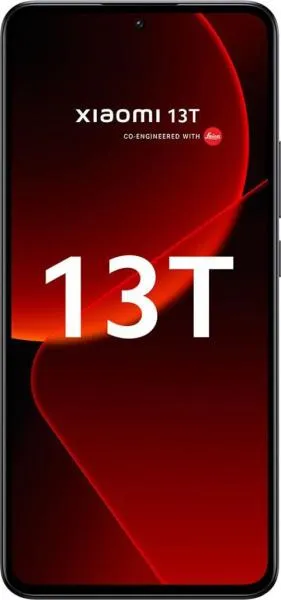
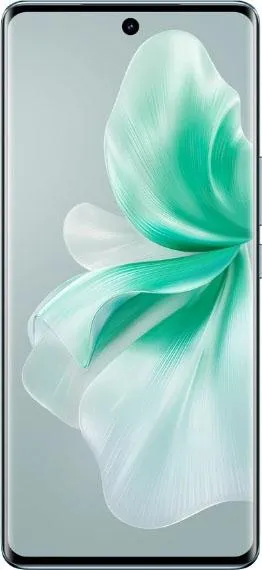
| Feature | Xiaomi 13T | vivo V30 | Practical Impact |
|---|---|---|---|
| Design | |||
| Dimensions (mm) | 162.2 x 75.7 x 8.5 | 164.4 x 75.1 x 7.5 | Vivo V30 is slightly taller and narrower, but thinner overall. Negligible difference in hand feel. |
| Weight (g) | 193 | 186 | Xiaomi 13T is slightly heavier. Difference unlikely to be noticeable in daily use. |
| Colors | Black, Meadow Green, Alpine Blue | Bloom White, Waving Aqua, Lush Green, Noble Black | More color options available with the Vivo V30. Subjective preference. |
| Display | |||
| Size (inches) | 6.67 | 6.78 | Vivo V30 has a slightly larger display, providing marginally more screen real estate. |
| Type | AMOLED, 68B colors, 144Hz | AMOLED, 1B colors, 120Hz | Both AMOLED but Xiaomi boasts significantly more color depth (68B vs 1B), leading to smoother color gradients and potentially more accurate color reproduction. Xiaomi 13T also has a higher refresh rate (144Hz vs 120Hz) resulting in smoother animations and scrolling. |
| Resolution | 1220 x 2712 | 1260 x 2800 | Both offer sharp displays. Vivo V30 has a slightly higher resolution, but the difference in sharpness is negligible at this size. |
| Peak Brightness (nits) | 2600 | 2800 | Vivo V30 offers slightly higher peak brightness, potentially improving outdoor visibility. |
| Performance | |||
| Chipset | Mediatek Dimensity 8200 Ultra (4 nm) | Qualcomm Snapdragon 7 Gen 3 (4 nm) | Both are powerful mid-range chipsets. Benchmarking scores would be needed to determine definitive performance differences. |
| CPU | Octa-core (1x3.1 GHz Cortex-A78 & 3x3.0 GHz Cortex-A78 & 4x2.0 GHz Cortex-A55) | Octa-core (1x2.63 GHz Cortex-A715 & 3x2.4 GHz Cortex-A715 & 4x1.8 GHz Cortex-A510) | Different CPU architectures. Real-world performance differences likely minimal for average users, but benchmarks are needed for detailed comparison. |
| GPU | Mali-G610 MC6 | Adreno 720 | Different GPUs. Performance differences would depend on specific tasks and games. Adreno GPUs generally perform better in gaming. |
| RAM | 12GB | 8GB | Xiaomi 13T offers more RAM, potentially enabling better multitasking and smoother performance with demanding applications. |
| Storage | 256GB | 256GB | Equal storage capacity. |
| Battery | |||
| Capacity (mAh) | 5000 | 5000 | Same battery capacity. Actual battery life will depend on usage and optimization. |
| Camera | |||
| Video Capabilities | 4K@30fps (HDR, EIS), 1080p@30fps (HDR, EIS), 1080p@60fps (HDR, EIS), 1080p@120fps (HDR, EIS) | 4K@30fps (EIS), 1080p@30fps (EIS) | Xiaomi 13T offers more versatile video recording options, including HDR video at multiple resolutions and higher frame rates up to 120fps for slow-motion. Missing detailed camera specs limit further analysis. |
2. Key Differences Analysis
Xiaomi 13T Advantages:
- Superior Display: Higher refresh rate (144Hz) and significantly better color depth (68B). This translates to a noticeably smoother and more visually appealing user experience.
- More RAM: 12GB vs 8GB on the Vivo V30, enabling smoother multitasking and handling of demanding applications.
- More Versatile Video Recording: Offers more frame rate and resolution options, including HDR video.
Vivo V30 Advantages:
- Slightly Brighter Display: Potentially better visibility outdoors.
- Slightly Thinner and Lighter: Though the difference is minimal in practical terms.
- Newer Android Version (at launch): Launched with Android 14 vs. Android 13 for the Xiaomi 13T.
3. User Profiles & Recommendations
Xiaomi 13T: Ideal for users who prioritize a smooth and vibrant display, heavy multitasking, and versatile video recording capabilities. Gamers and content creators would appreciate the higher refresh rate and RAM.
Vivo V30: Suitable for users who prioritize a slightly larger display, a newer Android version out-of-the-box, and a lightweight design.
4. Decision Framework
Key Questions for Buyers:
- How important is display quality? A smoother display with richer colors (Xiaomi 13T) or a slightly brighter display (Vivo V30)?
- What is your typical usage pattern? Heavy multitasking and demanding apps (Xiaomi 13T) or moderate usage (Vivo V30)?
- How important is video recording quality and versatility?
Scenario-Based Recommendations:
- Gamer: Xiaomi 13T for its 144Hz refresh rate and higher RAM.
- Content Creator: Xiaomi 13T for its superior video recording capabilities.
- Casual User: Either phone would suffice, but the Vivo V30 might be preferred for its slightly larger screen and newer Android OS.
My Choice: Xiaomi 13T
The Xiaomi 13T is my choice due to its superior display (144Hz refresh rate and 68B colors) and the extra RAM, which are significant factors for a smooth and enjoyable user experience in the long run. While the Vivo V30 offers a slightly brighter display and a newer initial Android version, the differences are marginal compared to the noticeable improvements offered by the 13T's display and performance. The more versatile video recording capabilities of the 13T further solidify its advantage. The slightly heavier weight is a negligible trade-off for these benefits.
