1. Specifications Comparison
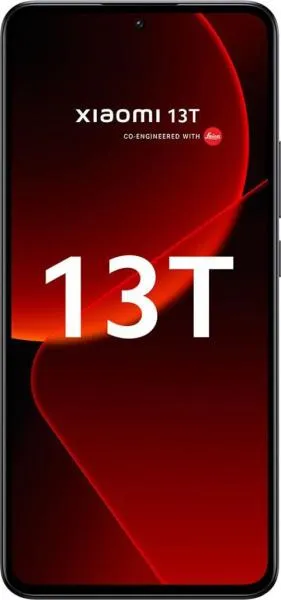
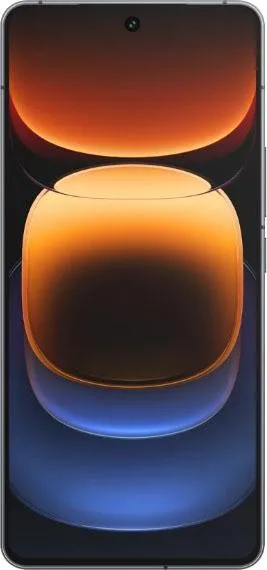
| Feature | Xiaomi 13T | vivo iQOO 12 | Practical Impact |
|---|---|---|---|
| Design | |||
| Dimensions | 162.2 x 75.7 x 8.5 mm | 163.2 x 75.9 x 8.1 mm | Virtually identical in hand feel, negligible size difference. |
| Weight | 193g | 198.5g | iQOO 12 is slightly heavier, but the difference is unlikely to be noticeable in daily use. |
| Display | |||
| Size | 6.67" | 6.78" | iQOO 12 offers a slightly larger screen, providing marginally more immersive content consumption. |
| Type | AMOLED, 68B colors | LTPO AMOLED, 1B colors | Both are high-quality displays. While the Xiaomi boasts more color depth, the iQOO 12's LTPO panel allows for dynamic refresh rate adjustment, potentially saving battery. The real-world difference in color representation between 1B and 68B is debatable for most users. |
| Resolution | 1220 x 2712 | 1260 x 2800 | iQOO 12 has a slightly sharper display due to the higher resolution, but both offer excellent clarity. |
| Peak Brightness | 2600 nits | 3000 nits | iQOO 12 should be more readable in direct sunlight due to its higher peak brightness. |
| Refresh Rate | 144Hz | 144Hz | Both offer incredibly smooth scrolling and animations. |
| Performance | |||
| Chipset | Mediatek Dimensity 8200 Ultra | Qualcomm Snapdragon 8 Gen 3 | Snapdragon 8 Gen 3 is generally considered a more powerful chipset, leading to better performance in demanding tasks and gaming. |
| CPU | Octa-core (1x3.1 GHz Cortex-A78 & 3x3.0 GHz Cortex-A78 & 4x2.0 GHz Cortex-A55) | Octa-core (1x3.3 GHz Cortex-X4 & 3x3.2 GHz Cortex-A720 & 2x3.0 GHz Cortex-A720 & 2x2.3 GHz Cortex-A520) | The Snapdragon 8 Gen 3's architecture offers superior performance, particularly in single-core tasks. |
| GPU | Mali-G610 MC6 | Adreno 750 | Adreno 750 offers significantly better graphics performance, resulting in smoother gaming and faster rendering. |
| RAM/Storage | 256GB/12GB | 512GB/16GB, 1000GB/16GB | iQOO 12 provides significantly more storage and RAM in its base configuration, allowing for more apps, files, and smoother multitasking. |
| Camera | |||
| Video Capabilities | Up to 4K@30fps | Up to 8K@30fps | iQOO 12 supports higher resolution video recording, but 4K is sufficient for most users. The practical benefit of 8K depends on user needs and display devices. |
| Battery | |||
| Capacity | 5000 mAh | 5000 mAh | Similar battery capacities suggest comparable battery life, though real-world usage will vary depending on software optimization and user habits. |
2. Key Differences Analysis
Xiaomi 13T Advantages:
- Potentially more affordable: While specific pricing isn't available, Xiaomi phones generally offer competitive pricing.
- Higher Color Depth: Offers a wider range of colors on display, though the practical difference might be negligible for average users.
vivo iQOO 12 Advantages:
- Superior Performance: Snapdragon 8 Gen 3 and Adreno 750 provide noticeably better performance for demanding tasks and gaming.
- Larger Storage and RAM: More storage and RAM offer a smoother user experience, especially for multitasking and storing large files.
- Brighter Display: Easier readability in direct sunlight.
- Higher Resolution Video Recording: While not essential for everyone, it offers future-proofing and more detailed videos.
3. User Profiles & Recommendations
Xiaomi 13T: Suitable for users seeking a well-rounded phone with a good display and sufficient performance for everyday tasks, social media, and casual gaming. Price-conscious buyers would find this appealing.
vivo iQOO 12: Ideal for power users, gamers, and content creators who demand top-tier performance, a large amount of storage, and the latest technology.
4. Decision Framework
Key Questions:
- What is your budget? The Xiaomi 13T is likely more affordable.
- What are your primary use cases? For demanding tasks and gaming, the iQOO 12 is significantly better.
- How important is future-proofing? The iQOO 12, with its more powerful chipset and larger storage options, offers better longevity.
Scenario-Based Recommendations:
- Casual User: Xiaomi 13T is sufficient.
- Gamer/Power User: vivo iQOO 12 is highly recommended.
- Budget-Conscious User: Xiaomi 13T offers better value.
My Choice: vivo iQOO 12
While the Xiaomi 13T is a solid device, the vivo iQOO 12's superior performance due to the Snapdragon 8 Gen 3 and Adreno 750 is the deciding factor for me. I prioritize a smooth and responsive user experience, especially for gaming and multitasking. The larger RAM and storage options further enhance the long-term usability of the device. The brighter display is also a significant advantage for outdoor use. Although potentially more expensive, the iQOO 12 offers a significant performance leap that justifies the price difference for my needs. The minor advantages of the Xiaomi 13T don't outweigh the substantial performance gap.
