1. Specifications Comparison
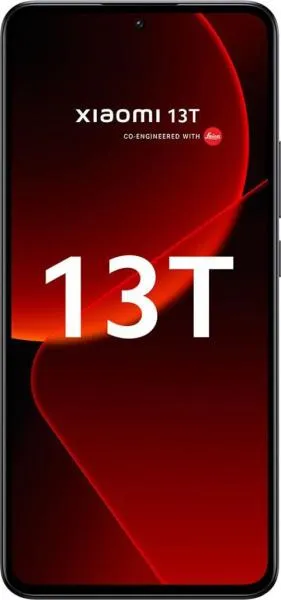
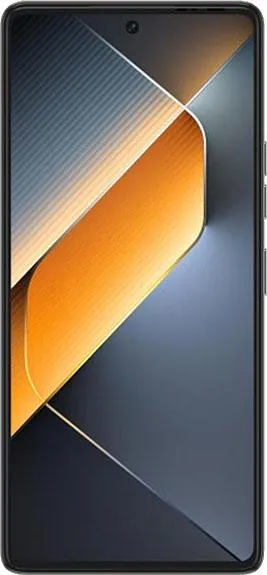
| Feature | Xiaomi 13T | Tecno Pova 6 Pro | Practical Impact |
|---|---|---|---|
| Design | |||
| Dimensions (mm) | 162.2 x 75.7 x 8.5 | 165.5 x 76.1 x 7.9 | Pova 6 Pro is slightly larger and thinner. Negligible difference in daily use. |
| Weight (g) | 193 | 198 | Negligible weight difference. |
| Build Materials | Not specified | Not specified | Cannot compare build quality and durability. |
| Display | |||
| Size (inches) | 6.67 | 6.78 | Pova 6 Pro offers a slightly larger screen for more immersive content consumption. |
| Type | AMOLED, 68B colors, 144Hz, Dolby Vision, HDR10+ | AMOLED, 120Hz | Xiaomi 13T boasts a higher refresh rate for smoother animations and supports Dolby Vision/HDR10+ for better HDR content. |
| Resolution | 1220 x 2712 | 1080 x 2436 | Xiaomi 13T has a significantly sharper display (446 ppi vs 393 ppi), resulting in clearer text and images. |
| Peak Brightness (nits) | 2600 | 1300 | Xiaomi 13T is much brighter, ensuring better visibility in direct sunlight. |
| Performance | |||
| Chipset | Mediatek Dimensity 8200 Ultra (4 nm) | Mediatek Dimensity 6080 (6 nm) | 8200 Ultra is a significantly more powerful chipset, offering better performance in demanding tasks and gaming. |
| CPU | Octa-core (1x3.1 GHz Cortex-A78 & 3x3.0 GHz Cortex-A78 & 4x2.0 GHz Cortex-A55) | Octa-core (2x2.4 GHz Cortex-A76 & 6x2.0 GHz Cortex-A55) | Xiaomi 13T's CPU architecture and clock speeds suggest superior processing power. |
| GPU | Mali-G610 MC6 | Mali-G57 MC2 | Xiaomi 13T has a more powerful GPU, resulting in better gaming performance and smoother graphics rendering. |
| RAM | 12GB | 12GB | Both phones offer ample RAM for multitasking. |
| Storage | 256GB | 256GB | Both phones offer the same storage capacity. |
| Battery | |||
| Capacity (mAh) | 5000 | 6000 | Tecno Pova 6 Pro has a larger battery capacity, potentially leading to longer battery life. |
| Camera | |||
| Video Capabilities | 4K@30fps (HDR, EIS), 1080p@ various fps (HDR, EIS) | 1440p@30fps, 1080p@ various fps | Xiaomi 13T offers more versatile video recording options with HDR and EIS across multiple resolutions. Specific sensor details and image quality are unknown. |
2. Key Differences Analysis
Xiaomi 13T Advantages:
- Significantly superior display: Higher resolution, refresh rate, brightness, and HDR support. This translates to a dramatically better viewing experience for all types of content.
- Much more powerful performance: The Dimensity 8200 Ultra significantly outperforms the Dimensity 6080, ensuring smooth multitasking, gaming, and demanding applications.
- More versatile video recording: Offers HDR and EIS at multiple resolutions.
Tecno Pova 6 Pro Advantages:
- Larger battery: Potentially longer battery life, although real-world usage depends on various factors.
- Slightly larger display: More immersive experience for media consumption.
3. User Profiles & Recommendations
Xiaomi 13T: Users who prioritize display quality, performance, and smooth user experience. Ideal for gamers, content creators, and power users.
Tecno Pova 6 Pro: Users who primarily value long battery life and a large screen for media consumption. Suitable for casual users who prioritize basic functionality and affordability.
4. Decision Framework
Key Questions:
- What is your budget? Both are mid-range, but slight price differences might exist.
- What are your primary use cases? Gaming, content creation, or casual browsing?
- Which features matter most? Display quality, performance, battery life, or camera?
My Choice: Xiaomi 13T
While the Tecno Pova 6 Pro offers a larger battery, the Xiaomi 13T's vastly superior display, significantly better performance, and more versatile video recording capabilities make it the clear winner for me. The Dimensity 8200 Ultra offers a considerable performance advantage that would be noticeable in everyday use. The sharper, brighter, and smoother display of the 13T drastically enhances the user experience. I prioritize these aspects over a slightly larger battery and screen size. The 13T's superior hardware makes it a more future-proof device capable of handling demanding tasks and future software updates more effectively.
