1. Specifications Comparison
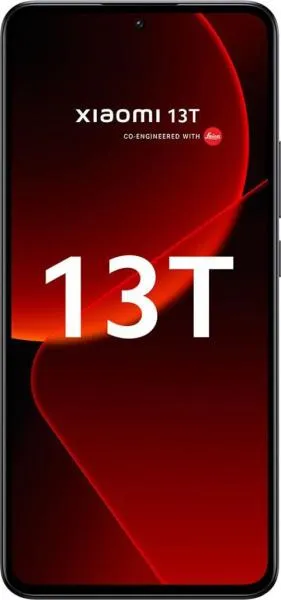
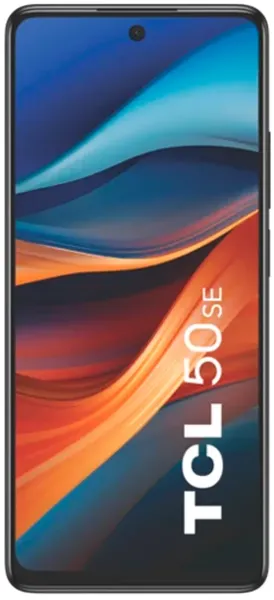
| Feature | Xiaomi 13T | TCL 50 SE | Practical Impact |
|---|---|---|---|
| Design | |||
| Dimensions (mm) | 162.2 x 75.7 x 8.5 | 168.2 x 75.5 x 8.1 | The TCL 50 SE is slightly taller and thinner. Xiaomi 13T might feel slightly more compact in hand. |
| Weight (g) | 193 | 195 | Negligible weight difference in real-world usage. |
| Fingerprint Sensor | In-display | Side-mounted | Preference-based, but in-display is generally considered more modern. |
| Display | |||
| Display Type | AMOLED, 68B colors | IPS LCD | Xiaomi 13T offers significantly better contrast, deeper blacks, and more vibrant colors due to AMOLED technology. |
| Display Size (inches) | 6.67 | 6.78 | TCL 50 SE has a slightly larger screen, providing a marginally larger viewing area. |
| Resolution | 1220 x 2712 | 1080 x 2460 | Xiaomi 13T boasts a much sharper display with noticeably higher pixel density (446 ppi vs 396 ppi), resulting in crisper text and images. |
| Refresh Rate (Hz) | 144 | 90 | Xiaomi 13T offers a significantly smoother user experience, especially noticeable in scrolling and gaming, due to its higher refresh rate. |
| Peak Brightness (nits) | 2600 | 550 (typ) | Xiaomi 13T will be far more visible in direct sunlight, offering superior outdoor readability. The lack of a peak brightness spec for the TCL 50 SE is a notable omission. |
| Performance | |||
| Chipset | Mediatek Dimensity 8200 Ultra (4 nm) | Mediatek Helio G88 (12 nm) | The Dimensity 8200 Ultra in the Xiaomi 13T is significantly more powerful, enabling smoother multitasking, faster app loading, and better gaming performance. The 4nm manufacturing process also suggests better power efficiency. |
| CPU | Octa-core (1x3.1 GHz Cortex-A78 & 3x3.0 GHz Cortex-A78 & 4x2.0 GHz Cortex-A55) | Octa-core (2x2.0 GHz Cortex-A75 & 6x1.8 GHz Cortex-A55) | The Xiaomi 13T has a more powerful CPU architecture, resulting in a noticeable performance advantage. |
| GPU | Mali-G610 MC6 | Mali-G52 MC2 | The Xiaomi 13T has a more capable GPU, leading to better gaming and graphics performance. |
| RAM | 12GB | 6GB | The Xiaomi 13T offers double the RAM, enabling smoother multitasking and preventing apps from closing in the background as frequently. |
| Battery | |||
| Capacity (mAh) | 5000 | 5010 | Negligible difference in battery capacity. Real-world battery life will depend more on software optimization and usage patterns. |
| Camera | |||
| Video Capabilities | 4K@30fps (HDR, EIS), 1080p@ various fps (HDR, EIS) | 1080p@30fps | The Xiaomi 13T offers superior video recording capabilities with 4K resolution, HDR, and Electronic Image Stabilization (EIS) at various frame rates, providing higher quality and more stable videos. Lack of detail regarding the TCL 50 SE's camera capabilities makes a thorough comparison difficult. |
2. Key Differences Analysis
Xiaomi 13T Advantages:
- Significantly superior display: AMOLED with higher resolution, refresh rate, and peak brightness.
- Much more powerful performance: Dimensity 8200 Ultra chipset, more RAM, and a stronger GPU.
- Superior video recording capabilities: 4K recording, HDR, and EIS.
TCL 50 SE Advantages:
- Slightly larger display size.
- Marginally larger battery capacity (practically negligible).
3. User Profiles & Recommendations
Xiaomi 13T: Users who prioritize performance, a high-quality display, and smooth user experience. Ideal for gaming, media consumption, and demanding tasks.
TCL 50 SE: Users on a tighter budget who prioritize basic functionality and a large screen. Suitable for casual use like browsing, social media, and light gaming.
4. Decision Framework
Key Questions for Buyers:
- What is your budget? The Xiaomi 13T is likely more expensive.
- What are your primary use cases? Gaming and media consumption benefit greatly from the 13T's superior hardware.
- How important is display quality? The AMOLED display of the 13T is a significant advantage.
Scenario-Based Recommendations:
- Gamer: Xiaomi 13T
- Heavy media consumer: Xiaomi 13T
- Budget-conscious user with basic needs: TCL 50 SE
My Choice: Xiaomi 13T
The Xiaomi 13T is the clear winner for me. While potentially more expensive, the significantly superior display, vastly improved performance, and better video recording capabilities make it a much more compelling device. The smoother 144Hz refresh rate, brighter display, and powerful chipset offer a tangible improvement in daily use that outweighs the minor size and battery differences. The TCL 50 SE might be acceptable for extremely budget-conscious buyers with basic needs, but the Xiaomi 13T offers a significant jump in quality and user experience.
