1. Specifications Comparison
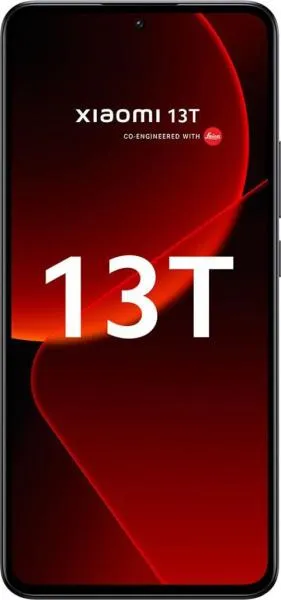
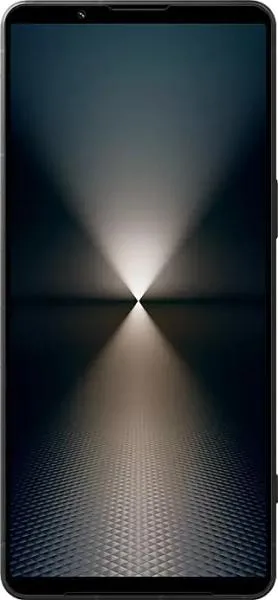
| Feature | Xiaomi 13T | Sony Xperia 1 VI | Practical Impact |
|---|---|---|---|
| Design | |||
| Dimensions | 162.2 x 75.7 x 8.5 mm | 162 x 74 x 8.2 mm | Xperia 1 VI is slightly thinner and narrower. Negligible difference in daily use. |
| Weight | 193g | 192g | Virtually identical weight. |
| Fingerprint Sensor | Under display | Side-mounted | Personal preference. Under-display is modern, side-mounted can be faster and more reliable. |
| Display | |||
| Size | 6.67" | 6.5" | Xiaomi 13T offers slightly larger screen real estate. |
| Type | AMOLED, 144Hz | LTPO OLED, 120Hz | Both offer excellent displays. Xiaomi 13T has a higher refresh rate for smoother scrolling and animations, but the Xperia 1 VI uses LTPO for more power efficiency with dynamic refresh rate adjustment. |
| Resolution | 1220 x 2712 (446 ppi) | 1644 x 3840 (643 ppi) | Xperia 1 VI has a significantly sharper display due to higher resolution and a more unique aspect ratio. |
| Peak Brightness | 2600 nits | Not specified | Xiaomi's much higher peak brightness ensures better visibility in direct sunlight. Lack of data for Xperia limits comparison. |
| Performance | |||
| Chipset | Mediatek Dimensity 8200 Ultra | Qualcomm Snapdragon 8 Gen 3 | Snapdragon 8 Gen 3 generally offers better performance, especially in graphics-intensive tasks. |
| CPU | Octa-core (1x3.1 GHz Cortex-A78 & 3x3.0 GHz Cortex-A78 & 4x2.0 GHz Cortex-A55) | Octa-core (1x3.3 GHz Cortex-X4 & 3x3.2 GHz Cortex-A720 & 2x3.0 GHz Cortex-A720 & 2x2.3 GHz Cortex-A520) | Snapdragon 8 Gen 3's architecture provides a performance advantage. |
| GPU | Mali-G610 MC6 | Adreno 750 | Adreno 750 generally outperforms the Mali-G610, resulting in smoother gaming and faster graphics rendering. |
| RAM | 12GB | 12GB | Identical RAM capacity ensures smooth multitasking on both devices. |
| Storage | 256GB | 512GB | Xperia 1 VI offers double the storage, beneficial for users who store lots of media or large files. |
| Camera | |||
| Video Capabilities | Up to 4K@30fps | Up to 4K@120fps; OIS, EIS | Xperia 1 VI offers significantly better video recording capabilities with higher frame rates, Optical Image Stabilization (OIS), and Electronic Image Stabilization (EIS) at 4k. OIS significantly improves video stability. |
| Battery | |||
| Capacity | 5000 mAh | 5000 mAh | Identical battery capacity suggests similar battery life, though real-world usage will vary based on software optimization and display usage. |
2. Key Differences Analysis
Xiaomi 13T Advantages:
- Higher Refresh Rate Display: Smoother scrolling and animations.
- Brighter Display: Superior outdoor visibility.
- Potentially Lower Price: While both are mid-range, Xiaomi often undercuts competitors.
Sony Xperia 1 VI Advantages:
- More Powerful Processor & GPU: Better performance for demanding tasks and gaming.
- Sharper Display: More detailed visuals due to higher resolution.
- Double the Storage: More space for apps, photos, and videos.
- Superior Video Recording: Higher frame rates and optical image stabilization.
- More Recent OS at launch: Launched with Android 14.
Trade-offs:
- Xiaomi 13T: Less powerful processor and GPU, lower resolution display.
- Sony Xperia 1 VI: Potentially higher price, unknown peak brightness.
3. User Profiles & Recommendations
Xiaomi 13T: Suitable for users who prioritize a smooth display, bright screen for outdoor use, and value for money. Ideal for everyday tasks, social media, web browsing, and casual gaming.
Sony Xperia 1 VI: Best suited for users who demand top-tier performance, a sharp display, ample storage, and advanced video recording capabilities. Ideal for mobile gamers, content creators, and power users.
4. Decision Framework
Key Questions:
- What is your budget? The Xperia 1 VI is likely more expensive.
- What are your primary use cases? Gaming, content creation, or everyday tasks?
- Which features are most important to you? Display quality, performance, camera, or battery life?
Scenario-Based Recommendations:
- Tight Budget, Casual User: Xiaomi 13T
- Power User, Mobile Gamer: Sony Xperia 1 VI
- Content Creator: Sony Xperia 1 VI
My Choice: Sony Xperia 1 VI
While the Xiaomi 13T offers a compelling package with its high refresh rate and bright display, the Sony Xperia 1 VI's superior performance, sharper display, larger storage, and significantly better video recording capabilities make it the better overall device for my needs. The Snapdragon 8 Gen 3 offers a noticeable performance advantage that future-proofs the device better. The higher resolution display on the Xperia is also very appealing. While peak brightness data is missing for the Xperia, I prioritize the other advantages it offers. I am also willing to pay a potential premium for the significant advantages in performance, storage, and video capabilities.
