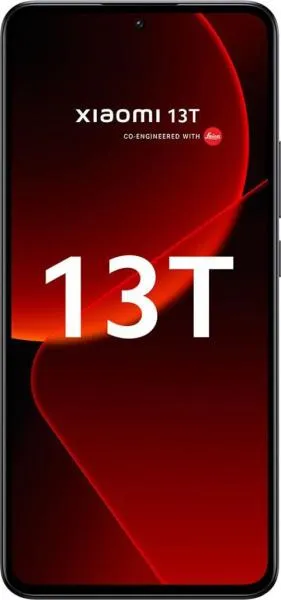
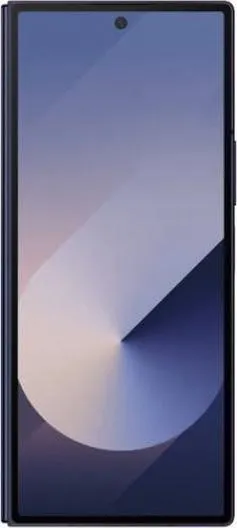
1. Specifications Comparison
| Feature | Xiaomi 13T | Samsung Galaxy Z Fold6 | Practical Impact |
|---|---|---|---|
| Design | |||
| Dimensions | 162.2 x 75.7 x 8.5 mm | 153.5 x 132.6 x 5.6 mm (folded) | Z Fold6 significantly more compact when folded, but thicker and wider when unfolded. Impacts pocketability and one-handed use. |
| Weight | 193g | 239g | Z Fold6 noticeably heavier, potentially impacting comfort during prolonged use. |
| Foldable | No | Yes | Z Fold6 offers a larger screen in a smaller form factor due to its folding capability, enhancing portability and multitasking. |
| Display | |||
| Size | 6.67 inches | 7.6 inches (unfolded), ~6.2 inches (cover display) | Z Fold6 offers a significantly larger main display for immersive experiences, but the Xiaomi 13T might be preferable for one-handed use with its cover display. |
| Type | AMOLED, 144Hz | Foldable Dynamic AMOLED 2X, 120Hz | Both offer vibrant colors and deep blacks. The 13T's higher refresh rate provides smoother scrolling and animations, while the Z Fold6's folding screen enables unique functionalities. |
| Resolution | 1220 x 2712 | 1856 x 2160 (unfolded), ~904 x 2316 (cover display) | Both offer sharp displays. Z Fold6's unfolded display provides more screen real estate for multitasking. |
| Peak Brightness | 2600 nits | 2600 nits | Both offer excellent outdoor visibility. |
| Performance | |||
| Chipset | Mediatek Dimensity 8200 Ultra | Qualcomm Snapdragon 8 Gen 3 | Snapdragon 8 Gen 3 generally considered more powerful, offering better performance in demanding tasks and gaming. |
| CPU | Octa-core (1x3.1 GHz Cortex-A78 & 3x3.0 GHz Cortex-A78 & 4x2.0 GHz Cortex-A55) | Octa-core (1x3.39GHz Cortex-X4 & 3x3.1GHz Cortex-A720 & 2x2.9GHz Cortex-A720 & 2x2.2GHz Cortex-A520) | Snapdragon 8 Gen 3's architecture offers superior performance, especially in single-core tasks. |
| GPU | Mali-G610 MC6 | Adreno 750 | Adreno 750 offers superior graphics performance, leading to better gaming experiences. |
| RAM | 12GB | 12GB | Both offer ample RAM for smooth multitasking. |
| Battery | |||
| Capacity | 5000 mAh | 4400 mAh | Xiaomi 13T likely to offer longer battery life due to larger capacity and potentially more efficient processor. |
| Camera | |||
| Video Capabilities | Up to 4K@30fps | Up to 8K@30fps and 4K@60fps | Z Fold6 offers higher resolution and frame rate video recording capabilities. No detailed camera sensor specifications were provided for a comprehensive comparison. |
2. Key Differences Analysis
Xiaomi 13T Advantages:
- Longer Battery Life: Larger battery capacity suggests longer usage time.
- Higher Refresh Rate Display: Smoother scrolling and animations.
- Lower Price: Positioned in the medium price range.
Samsung Galaxy Z Fold6 Advantages:
- Foldable Design: Larger screen in a portable form factor, enabling new use cases.
- More Powerful Processor: Better performance for demanding tasks and gaming.
- Higher Resolution and Frame Rate Video Recording: Superior video quality.
3. User Profiles & Recommendations
Xiaomi 13T: Ideal for users seeking a powerful, long-lasting phone with a smooth display at a more affordable price. Suitable for everyday tasks, media consumption, and moderate gaming.
Samsung Galaxy Z Fold6: Ideal for power users and early adopters who value innovation and portability. Best suited for multitasking, productivity on the go, immersive media consumption, and demanding gaming. The foldable screen enables unique use cases like using the phone as a mini-tablet.
4. Decision Framework
Key Questions for Buyers:
- Budget: Is a high-end price justifiable for the foldable form factor and added performance?
- Priority Features: Is a larger, foldable screen or longer battery life more important?
- Use Cases: Will the foldable design enhance productivity and entertainment, or is a traditional smartphone sufficient?
Scenario-Based Recommendations:
- Limited Budget, Focus on Value: Xiaomi 13T
- Power User, Multitasking Focused: Samsung Galaxy Z Fold6
- Enthusiast Seeking Latest Technology: Samsung Galaxy Z Fold6
My Choice: Xiaomi 13T
While the Samsung Galaxy Z Fold6 is undeniably innovative and powerful, the Xiaomi 13T offers a compelling combination of performance, battery life, and affordability. As a practical user, the Z Fold6's higher price, added weight, and potential durability concerns of a foldable screen outweigh the benefits for me. The 13T's 144Hz display, long battery life, and strong performance are more aligned with my daily needs and provide excellent value for the price. The lack of detailed camera specifications makes a complete judgement difficult, but based on provided information, the 13T better suits my priorities.
