1. Specifications Comparison
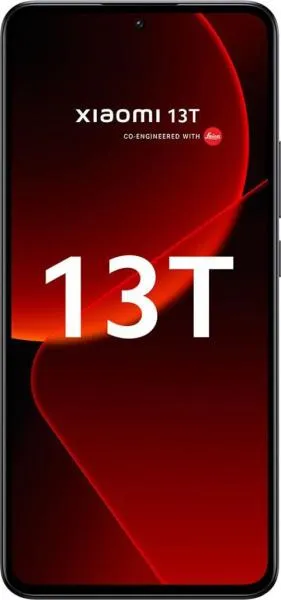
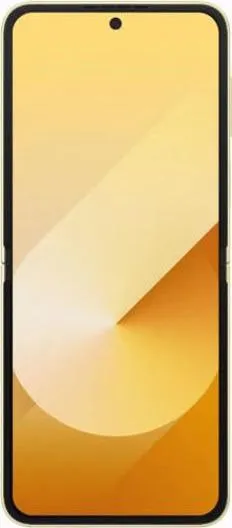
| Feature | Xiaomi 13T | Samsung Galaxy Z Flip6 | Practical Impact |
|---|---|---|---|
| Design | |||
| Dimensions | 162.2 x 75.7 x 8.5 mm | 165.1 x 71.9 x 6.9 mm (Folded) | Z Flip6 significantly more compact when folded, easier pocketability. 13T offers a more traditional form factor. |
| Weight | 193g | 187g | Negligible weight difference in practical usage. |
| Foldable | No | Yes | Z Flip6's foldable design offers unique portability and a smaller footprint when closed. |
| Display | |||
| Size | 6.67" | 6.7" | Nearly identical screen real estate. |
| Type | AMOLED, 144Hz | Foldable Dynamic AMOLED 2X, 120Hz | Both offer vibrant colors and smooth scrolling. 13T's higher refresh rate may provide slightly smoother animations. Durability of Z Flip6's folding screen is a key consideration. |
| Resolution | 1220 x 2712 | 1080 x 2640 | 13T has a slightly sharper display due to higher resolution. Difference may not be noticeable in everyday use. |
| Peak Brightness | 2600 nits | 2600 nits | Both offer excellent outdoor visibility. |
| Performance | |||
| Chipset | Mediatek Dimensity 8200 Ultra | Qualcomm Snapdragon 8 Gen 3 | Snapdragon 8 Gen 3 generally considered more powerful, offering potentially better performance in demanding tasks and gaming. Dimensity 8200 Ultra is still a high-performance chip. |
| CPU | Octa-core (1x3.1 GHz Cortex-A78...) | Octa-core (1x3.39GHz Cortex-X4...) | Snapdragon 8 Gen 3 boasts faster clock speeds and a more powerful prime core, translating to potentially quicker app launches and multitasking. |
| GPU | Mali-G610 MC6 | Adreno 750 | Adreno 750 generally considered more powerful, potentially offering better gaming performance. |
| RAM | 12GB | 12GB | Both offer ample RAM for smooth multitasking. |
| Storage | 256GB | 512GB | Z Flip6 offers double the storage, beneficial for users who store large files or many apps. |
| Battery | |||
| Capacity | 5000 mAh | 4000 mAh | 13T offers significantly larger battery capacity, likely resulting in longer battery life. |
2. Key Differences Analysis
Xiaomi 13T Advantages:
- Longer Battery Life: The significantly larger 5000 mAh battery is a major advantage for power users.
- Higher Resolution Display: Slightly sharper screen.
- Faster Refresh Rate: Potentially smoother animations and scrolling.
- Potentially Lower Price: While both are mid-range, the 13T may be more affordable.
Samsung Galaxy Z Flip6 Advantages:
- Foldable Design: Unique form factor offering portability and compactness.
- More Powerful Chipset: Snapdragon 8 Gen 3 delivers top-tier performance.
- Larger Storage: 512GB provides ample space for apps and files.
- More Mature Software: Samsung's One UI generally well-regarded.
Trade-offs:
- Z Flip6: Foldable design introduces potential durability concerns and higher price. Smaller battery capacity.
- 13T: Less powerful chipset compared to the Z Flip6. Larger and heavier than the folded Z Flip6.
3. User Profiles & Recommendations
Xiaomi 13T: Ideal for users prioritizing battery life, a large display, and value for money. Suitable for media consumption, gaming, and everyday tasks.
Samsung Galaxy Z Flip6: Ideal for users who value portability and a unique, stylish design. Suitable for those who prioritize compactness and are willing to pay a premium for the foldable form factor.
4. Decision Framework
Key Questions:
- How important is portability? If pocketability is paramount, the Z Flip6's foldable design is a significant advantage.
- What is your budget? The Z Flip6 is likely to be more expensive due to its foldable technology.
- What are your primary use cases? Power users and gamers might prefer the 13T's larger battery and performance.
My Choice: Xiaomi 13T
While the Z Flip6's foldable design is undeniably attractive, the Xiaomi 13T better suits my needs and priorities. The significantly larger battery capacity is crucial for my heavy usage. The 144Hz display and powerful enough Dimensity 8200 Ultra provide a smooth and enjoyable experience for gaming and media consumption. While the Snapdragon 8 gen 3 is more powerful, the performance difference likely wouldn't be noticeable for my everyday tasks. Finally, the potential price difference further solidifies the 13T as the better value proposition for me. I prioritize practicality and battery life over novelty and the potential durability concerns of a foldable phone.
