1. Specifications Comparison
| Feature | Xiaomi 13T | Samsung Galaxy Tab S9 FE+ | Practical Impact |
|---|---|---|---|
| Design | |||
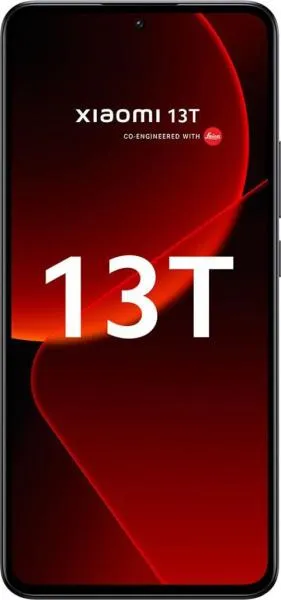
| Dimensions | 162.2 x 75.7 x 8.5 mm | 285.4 x 185.4 x 6.5 mm | The Xiaomi 13T is a standard smartphone size, pocketable and one-hand usable for many. The Samsung is a large tablet, requiring two hands and a bag for transport. |
| Weight | 193g | 627g | Significant weight difference; the Xiaomi 13T is much more comfortable for extended use and portability. |
| Build | Not specified | Not specified | Build materials impact durability and premium feel. Lack of information limits comparison. |
| Display | |||
| Size | 6.67" | 12.4" | The Samsung offers significantly more screen real estate for media consumption, multitasking, and creative work. |
| Type | AMOLED, 144Hz | IPS LCD, 90Hz | The Xiaomi 13T's AMOLED offers superior contrast, deeper blacks, and potentially better power efficiency. Its 144Hz refresh rate provides smoother scrolling and gaming. The Tab S9 FE+'s 90Hz is still smooth but less so. |
| Resolution | 1220 x 2712 | 1600 x 2560 | Xiaomi has a higher pixel density (446 ppi vs 243 ppi), resulting in sharper text and images. Though the Samsung has a larger display, the lower PPI might make individual pixels noticeable. |
| Peak Brightness | 2600 nits | Not specified | The Xiaomi 13T's exceptionally high peak brightness ensures excellent outdoor visibility. Missing information hinders comparison with the Samsung. |
| Performance | |||
| Chipset | Mediatek Dimensity 8200 Ultra (4nm) | Exynos 1380 (5nm) | Both are capable chipsets, but benchmarks would be needed for accurate performance comparison. The 4nm process on the Xiaomi suggests potential efficiency benefits. |
| CPU | Octa-core (1x3.1 GHz Cortex-A78 & 3x3.0 GHz Cortex-A78 & 4x2.0 GHz Cortex-A55) | Octa-core (4x2.4 GHz Cortex-A78 & 4x2.0 GHz Cortex-A55) | Clock speed differences suggest the Xiaomi might have a slight edge in single-core performance, important for quickly launching apps. Real-world performance depends on optimization. |
| GPU | Mali-G610 MC6 | Mali-G68 MP5 | Different GPUs make direct comparison challenging. Gaming benchmarks would clarify performance differences. |
| RAM | 12GB | 12GB | Both devices offer ample RAM for multitasking and demanding applications. |
| Storage | 256GB | 256GB | Both have the same storage capacity. |
| Battery | |||
| Capacity | 5000 mAh | 10090 mAh | The Samsung tablet has a much larger battery, expected given its size. Actual battery life depends on usage patterns and screen size. |
| Other | |||
| OS | Android 13 | Android 13 | Both run on the same base Android version, but the user interface and features will differ. |
| NFC | True | False | The Xiaomi 13T supports NFC for contactless payments and data transfer. The Samsung tablet lacks this feature. |
2. Key Differences Analysis
Xiaomi 13T Advantages:
- Superior Display: Higher resolution, refresh rate, AMOLED technology, and peak brightness result in a significantly better visual experience.
- More Portable: Smaller size and lighter weight make it ideal for on-the-go use.
- NFC: Enables contactless payments and other NFC functionalities.
- Potentially Faster CPU: Clock speeds suggest a potential advantage in single-core performance.
Samsung Galaxy Tab S9 FE+ Advantages:
- Larger Display: Offers more screen real estate for productivity and media consumption.
- Significantly Larger Battery: Likely translates to much longer battery life.
3. User Profiles & Recommendations
Xiaomi 13T: Ideal for users who prioritize a premium display, portability, and all-around smartphone capabilities. Best for everyday use, gaming, media consumption on the go, and mobile photography.
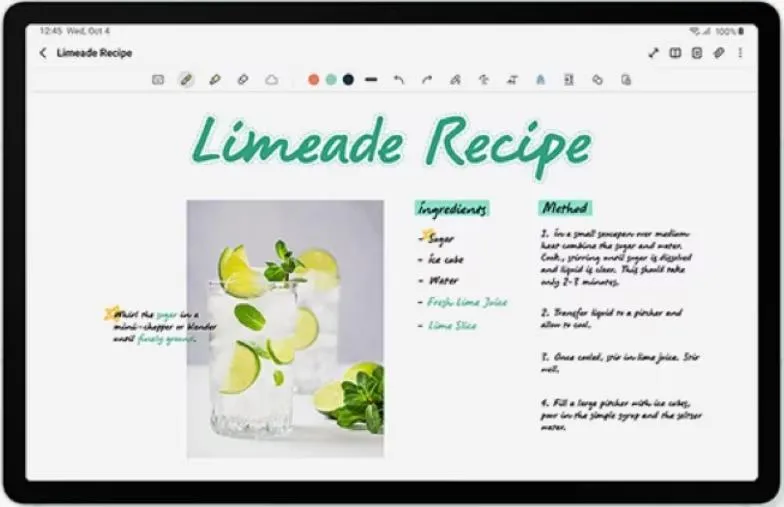
Samsung Galaxy Tab S9 FE+: Suitable for users who need a large screen for productivity, media consumption, creative tasks, and note-taking. Good for students, artists, and those who consume lots of video content.
4. Decision Framework
Key Questions:
- What is your primary use case? (e.g., everyday phone, media consumption, productivity, gaming)
- How important is portability?
- What is your budget? (While both are mid-range, actual pricing may vary)
My Choice: Xiaomi 13T
While the Samsung Tab S9 FE+ boasts a large screen and battery, I would choose the Xiaomi 13T. My priorities are a premium, responsive display, portability, and all-around smartphone features. The 13T excels in these areas. The significantly better display quality, lighter weight, and inclusion of NFC make it a more compelling device for my needs. I value the convenience and superior visual experience offered by the 13T over the extra screen real estate and battery life of the tablet. While the tablet might be better for specific use cases like drawing or extensive note-taking, the 13T's versatility makes it a better fit for my daily usage. The lack of NFC on the Samsung is also a significant drawback for me.
