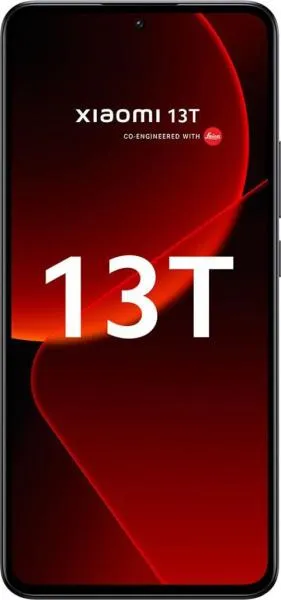
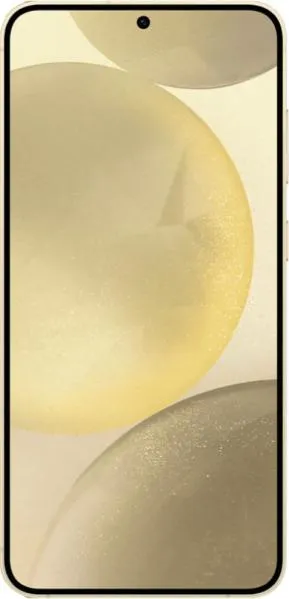
1. Specifications Comparison
| Feature | Xiaomi 13T | Samsung Galaxy S24+ | Practical Impact |
|---|---|---|---|
| Design | |||
| Dimensions | 162.2 x 75.7 x 8.5 mm | 158.5 x 75.9 x 7.7 mm | S24+ is slightly shorter, narrower, and thinner, making it potentially more pocketable. |
| Weight | 193g | 196g | Negligible weight difference in real-world usage. |
| Display | |||
| Size | 6.67" | 6.7" | Virtually identical screen sizes. |
| Type | AMOLED, 144Hz | Dynamic AMOLED 2X, 120Hz | Both offer excellent displays. 13T's higher refresh rate provides smoother animations and scrolling, while S24+'s LTPO panel allows for more granular refresh rate adjustments to save battery. |
| Resolution | 1220 x 2712 | 1440 x 3120 | S24+ has a sharper display due to higher resolution and pixel density. |
| Peak Brightness | 2600 nits | 2600 nits | Both offer excellent outdoor visibility. |
| Performance | |||
| Chipset | Dimensity 8200 Ultra (4nm) | Snapdragon 8 Gen 3 (4nm) | Both are high-performance chipsets, but Snapdragon 8 Gen 3 is generally considered more powerful, especially in GPU performance. |
| CPU | Octa-core (1x3.1 GHz...) | Octa-core (1x3.39 GHz...) | Both offer excellent CPU performance for demanding tasks. S24+'s Cortex-X4 core provides a higher peak performance. |
| GPU | Mali-G610 MC6 | Adreno 750 | Adreno 750 generally offers better gaming and graphics performance. |
| RAM | 12GB | 12GB | Same RAM capacity, ensuring smooth multitasking. |
| Storage | 256GB | 512GB | S24+ offers double the storage capacity. |
| Battery | |||
| Capacity | 5000 mAh | 4900 mAh | Negligible difference in battery capacity; real-world battery life will depend on usage and optimization. |
| Camera | No camera specifications were provided for comparison. | ||
| Software | |||
| OS | Android 13 | Android 14 | S24+ ships with a newer Android version and potentially longer software support. |
2. Key Differences Analysis
Xiaomi 13T Advantages:
- Higher Refresh Rate: Smoother scrolling and animations.
- Potentially Lower Price: Given the "medium price" range, it likely costs less than the S24+.
Samsung Galaxy S24+ Advantages:
- More Powerful Chipset: Better overall and gaming performance.
- Sharper Display: Higher resolution and pixel density.
- Larger Storage: Double the storage of the 13T.
- Newer OS: Android 14 with longer software update support.
- More Color Options: Greater variety for personal preference.
Trade-offs:
- Xiaomi 13T: Higher refresh rate may impact battery life more than the S24+'s dynamic refresh rate. Less powerful chipset compared to the S24+.
- Samsung Galaxy S24+: Likely more expensive.
3. User Profiles & Recommendations
Xiaomi 13T: Users prioritizing smooth display experience, budget-conscious buyers seeking high performance, and those who prefer a slightly larger display.
Samsung Galaxy S24+: Users prioritizing overall performance, demanding gamers, those needing ample storage, and those who value the latest software and longer updates.
4. Decision Framework
Key Questions for Buyers:
- What is your budget? The S24+ will likely be more expensive.
- What are your performance needs? Gamers and power users will benefit from the S24+'s superior chipset.
- How important is software support? The S24+ will receive longer updates.
Scenario-Based Recommendations:
- Tight budget, prioritize smooth display: Xiaomi 13T
- Demanding user, prioritize performance and longevity: Samsung Galaxy S24+
My Choice: Samsung Galaxy S24+
While the Xiaomi 13T offers a compelling package with its high refresh rate display, I would choose the Samsung Galaxy S24+. The Snapdragon 8 Gen 3's superior performance, especially for gaming and demanding tasks, coupled with the sharper display, larger storage, and longer software support makes it a more future-proof device. While potentially more expensive, the overall user experience and longevity offered by the S24+ outweigh the price difference for me. I prioritize long-term performance and having the latest features, and the S24+ aligns better with my needs. The slightly smaller battery is a minor trade-off considering the S24+'s more efficient chip and dynamic refresh rate display.
