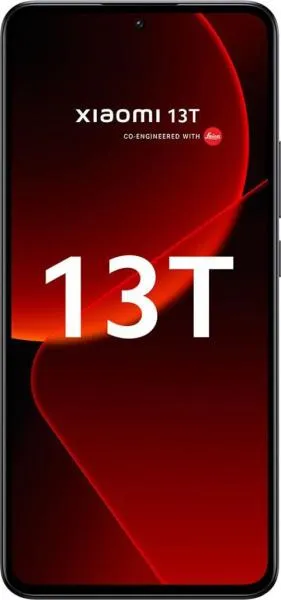
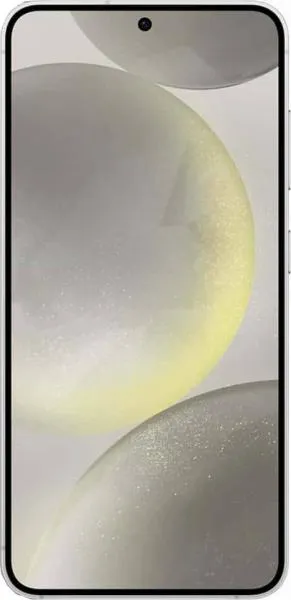
1. Specifications Comparison
| Feature | Xiaomi 13T | Samsung Galaxy S24 | Practical Impact |
|---|---|---|---|
| Design | |||
| Dimensions (mm) | 162.2 x 75.7 x 8.5 | 147 x 70.6 x 7.6 | S24 is noticeably smaller and thinner, making it more pocketable and easier to handle one-handed. |
| Weight (g) | 193 | 167 | The S24 is significantly lighter, reducing hand fatigue during extended use. |
| Build Materials | Not specified | Not specified | Cannot compare without information. |
| Display | |||
| Size (inches) | 6.67 | 6.2 | The 13T offers a larger screen for more immersive media consumption, while the S24 is more compact. |
| Type | AMOLED, 144Hz | Dynamic AMOLED 2X, 120Hz | Both offer vibrant colors and deep blacks. The 13T's higher refresh rate results in smoother animations and scrolling, but the S24's LTPO technology allows for dynamic refresh rate adjustment, potentially saving battery. |
| Resolution | 1220 x 2712 | 1080 x 2340 | The 13T has a sharper display due to its higher resolution, noticeable in text clarity and image detail. |
| Peak Brightness (nits) | 2600 | 2600 | Both offer excellent outdoor visibility with equally high peak brightness. |
| Performance | |||
| Chipset | Mediatek Dimensity 8200 Ultra | Snapdragon 8 Gen 3 | Both are high-performance chipsets, but the Snapdragon 8 Gen 3 is generally considered more powerful, especially in GPU performance. Expect smoother gaming and faster app loading on the S24. |
| RAM | 12GB | 8GB | The 13T's larger RAM allows for more apps to run in the background without being closed, leading to better multitasking. |
| Storage | 256GB | 256GB/512GB | S24 offers a higher storage option for users needing more space for apps, photos, and videos. |
| Camera | |||
| Rear Camera | Not specified | Not specified | Cannot compare without detailed camera specifications (sensor size, aperture, etc.). |
| Video Recording | Up to 4K@30fps | Up to 8K@30fps | The S24 offers higher resolution video recording capabilities. However, the practical benefits of 8K recording are limited by storage space and playback devices. |
| Battery | |||
| Capacity (mAh) | 5000 | 4000 | The 13T has a significantly larger battery capacity, likely resulting in longer battery life. |
| Charging Speed | Not specified | Not specified | Cannot compare without charging speed information. |
2. Key Differences Analysis
Xiaomi 13T Advantages:
- Larger Display and Higher Resolution: More immersive media consumption and sharper visuals.
- Higher Refresh Rate: Smoother scrolling and animations.
- Larger RAM: Better multitasking performance.
- Larger Battery: Potentially longer battery life.
Samsung Galaxy S24 Advantages:
- More Compact and Lighter Design: Easier to handle and carry.
- More Powerful Chipset: Better overall performance, particularly for gaming.
- Higher Storage Options: More space for apps and files.
- Higher Resolution Video Recording: Future-proof recording capabilities.
- More Recent OS and Longer Support: Android 14 with longer OS update commitment.
Trade-offs:
- The 13T prioritizes screen size, battery life, and multitasking, but compromises on portability and raw processing power.
- The S24 prioritizes performance, portability, and a more premium feel, but compromises on battery capacity and screen size.
3. User Profiles & Recommendations
Xiaomi 13T: Ideal for users who prioritize media consumption, multitasking, and long battery life, and are less concerned with portability and peak gaming performance. Use cases: watching videos, playing casual games, web browsing, extended use without charging.
Samsung Galaxy S24: Ideal for users who value a compact and powerful phone with a premium feel, prioritize gaming performance and having the latest software, and are willing to compromise slightly on battery life. Use cases: demanding mobile gaming, photography/videography, everyday use with frequent charging access.
4. Decision Framework
Key Questions:
- What is your primary use case for a smartphone? (e.g., media consumption, gaming, productivity)
- How important is portability and one-handed use?
- What is your budget and how much do you value long-term software updates?
Scenario-Based Recommendations:
- Heavy Media Consumer: Xiaomi 13T
- Hardcore Mobile Gamer: Samsung Galaxy S24
- Budget-Conscious User Prioritizing Battery Life: Xiaomi 13T
- User Who Wants the Latest and Greatest with Compact Design: Samsung Galaxy S24
My Choice: Samsung Galaxy S24
While the Xiaomi 13T offers compelling features like a larger battery and smoother display, I would choose the Samsung Galaxy S24. The more powerful processor, more compact form factor, longer software support commitment (crucial for security and new features), and potentially better camera system (though we lack specifics) are more important to me. I prioritize having a responsive and future-proof device, and I'm willing to compromise slightly on battery life for the performance and portability benefits. The S24's more mature software ecosystem and generally better long-term support from Samsung are also significant factors in my decision.
