1. Specifications Comparison
| Feature | Xiaomi 13T | Samsung Galaxy M35 | Practical Impact |
|---|---|---|---|
| Design | |||
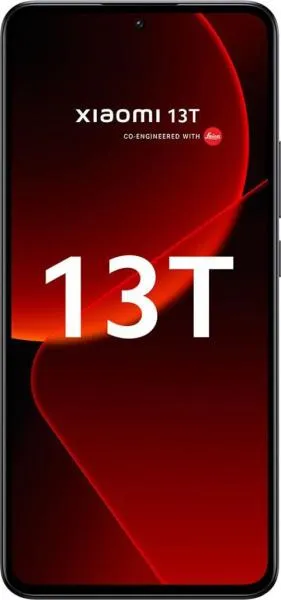
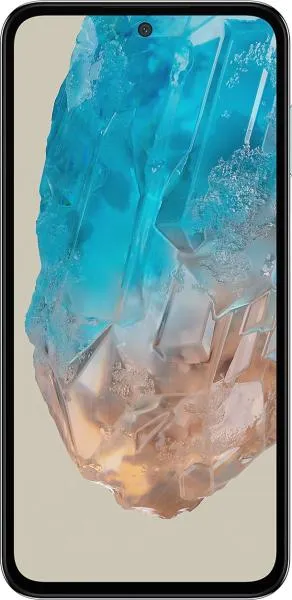
| Dimensions (mm) | 162.2 x 75.7 x 8.5 | 162.3 x 78.6 x 9.1 | The Xiaomi 13T is slightly smaller and thinner, potentially offering a better one-handed grip. |
| Weight (g) | 193 | 222 | The Xiaomi 13T is significantly lighter, making it more comfortable for extended use. |
| Fingerprint Sensor | Under display | Side-mounted | Personal preference; under-display is often perceived as more modern, side-mounted can be faster and easier to access. |
| Display | |||
| Size (inches) | 6.67 | 6.6 | Negligible difference in screen real estate. |
| Type | AMOLED, 68B colors, 144Hz, Dolby Vision, HDR10+ | Super AMOLED, 120Hz | The Xiaomi 13T boasts a higher refresh rate (smoother animations) and supports Dolby Vision/HDR10+ for better dynamic range and color accuracy in compatible content. 68B colors offer more subtle color gradations than standard AMOLED. Missing information on color depth and HDR support for the Samsung. |
| Resolution | 1220 x 2712 | 1080 x 2340 | The Xiaomi 13T has a sharper display (higher pixel density - 446 ppi vs 390 ppi) resulting in crisper text and images. |
| Peak Brightness (nits) | 2600 | 1000 (HBM) | The Xiaomi 13T gets significantly brighter, ensuring better visibility in direct sunlight. We lack detail on the Samsung's peak brightness beyond HBM. |
| Performance | |||
| Chipset | Mediatek Dimensity 8200 Ultra (4 nm) | Exynos 1380 (5 nm) | Both are mid-range chipsets, but benchmarks would be needed to compare real-world performance differences. Dimensity 8200 Ultra's slightly smaller node size could mean better power efficiency. |
| CPU | Octa-core (1x3.1 GHz Cortex-A78 & 3x3.0 GHz Cortex-A78 & 4x2.0 GHz Cortex-A55) | Octa-core (4x2.4 GHz Cortex-A78 & 4x2.0 GHz Cortex-A55) | The Xiaomi 13T's CPU configuration suggests potential for higher peak performance due to the higher clocked prime core. |
| GPU | Mali-G610 MC6 | Mali-G68 MP5 | The Mali-G68 MP5 generally offers better graphical performance than the Mali-G610 MC6, leading to smoother gaming and faster graphics rendering. |
| RAM | 12GB | 8GB | More RAM on the Xiaomi 13T allows for better multitasking and smoother performance with demanding applications. |
| Battery | |||
| Capacity (mAh) | 5000 | 6000 | The Samsung Galaxy M35 has a larger battery, potentially leading to longer battery life. Real-world usage will depend on software optimization and user habits. |
| Camera | |||
| Video Capabilities | 4K@30fps (HDR, EIS), 1080p@ various fps (HDR, EIS) up to 120fps | 4K@30fps (EIS), 1080p@ various fps (EIS) up to 60fps, 720p@480fps (EIS) | The Xiaomi 13T offers HDR video recording at 4K and 1080p for improved dynamic range in videos. It also supports higher frame rates at 1080p for smoother slow-motion. The Samsung offers 720p slow motion at 480fps. No detailed camera specifications (sensor size, aperture) were provided to make a comprehensive comparison. |
2. Key Differences Analysis
Xiaomi 13T Advantages:
- Superior Display: Higher resolution, refresh rate, peak brightness, and wider color gamut with HDR10+ and Dolby Vision support.
- More RAM: 12GB vs 8GB for smoother multitasking.
- Potentially Faster CPU: Higher clocked prime core in the Dimensity 8200 Ultra.
- HDR Video Recording: Better dynamic range in videos.
- Lighter and Slimmer: Improved ergonomics.
Samsung Galaxy M35 Advantages:
- Larger Battery: Potentially longer battery life.
- Potentially better GPU: Mali-G68 MP5 generally outperforms the Mali-G610 MC6.
- More recent OS: Launched with Android 14.
3. User Profiles & Recommendations
Xiaomi 13T: Users who prioritize display quality, smooth performance, and a premium feel. Ideal for:
- Mobile gamers: High refresh rate and powerful chipset.
- Content consumers: HDR display and vibrant colors.
- Users who value a lightweight and compact design.
Samsung Galaxy M35: Users prioritizing long battery life. Ideal for:
- Users with heavy daily usage: Larger battery capacity for extended use.
- Budget-conscious users: Potentially offers good value for its price range.
4. Decision Framework
Key Questions for Buyers:
- How important is display quality? Prioritize the Xiaomi 13T if vibrant colors, HDR, and high refresh rate are crucial.
- How much do you value battery life? If all-day battery is a top priority, the Samsung Galaxy M35's larger battery might be more appealing.
- What is your budget? Compare prices and features to determine the best value proposition.
My Choice: Xiaomi 13T
While the Samsung Galaxy M35 boasts a larger battery and potentially better GPU, the Xiaomi 13T's superior display, smoother performance thanks to the higher RAM, lighter design, and HDR video recording capabilities make it a more compelling overall package for me. I prioritize a smooth and visually engaging experience, and the 13T clearly delivers in those areas. The significantly brighter display is a major advantage for outdoor use. Although the M35's larger battery is tempting, I'm willing to potentially sacrifice some battery life for the 13T's other advantages. Ultimately, this is a subjective choice based on my personal preferences and usage patterns.
