1. Specifications Comparison
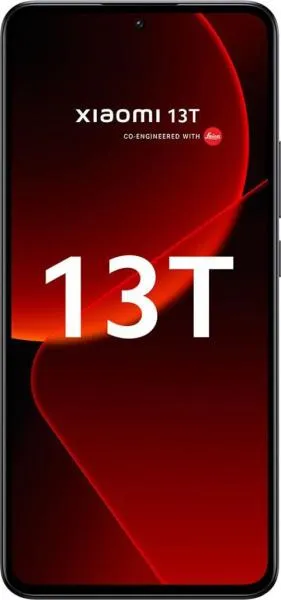
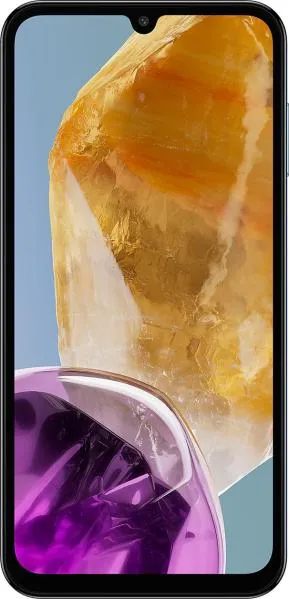
| Feature | Xiaomi 13T | Samsung Galaxy M15 | Practical Impact |
|---|---|---|---|
| Design | |||
| Dimensions | 162.2 x 75.7 x 8.5 mm | 160.1 x 76.8 x 9.3 mm | Xiaomi 13T is slightly shorter, narrower, and significantly thinner. M15 might feel bulkier in hand. |
| Weight | 193g | 217g | Xiaomi 13T is noticeably lighter, reducing hand fatigue during extended use. |
| Fingerprint Sensor | Under display | Side-mounted | Preference-dependent; under-display is modern, side-mounted can be faster to access. |
| Display | |||
| Size | 6.67" | 6.5" | Negligible difference in screen real estate. |
| Type | AMOLED, 144Hz | Super AMOLED, 90Hz | Both offer vibrant colors and deep blacks. 13T's 144Hz offers significantly smoother scrolling and animations, especially in gaming. |
| Resolution | 1220 x 2712 | 1080 x 2340 | 13T boasts a sharper display (446 ppi vs 396 ppi), resulting in clearer text and images. |
| Peak Brightness | 2600 nits | 800 nits (unclear if this is peak) | 13T offers exceptional outdoor visibility, even in direct sunlight. M15's brightness is good but less impactful. The missing peak brightness for M15 limits a complete analysis. |
| Performance | |||
| Chipset | Dimensity 8200 Ultra (4nm) | Dimensity 6100+ (6nm) | 8200 Ultra provides significantly better performance, enabling smoother multitasking, faster app loading, and better gaming capabilities. The 4nm process suggests better power efficiency compared to the 6nm in the M15. |
| CPU | Octa-core (1x3.1 GHz A78 & 3x3.0 GHz A78 & 4x2.0 GHz A55) | Octa-core (2x2.2 GHz A76 & 6x2.0 GHz A55) | 13T's CPU configuration suggests a performance advantage in demanding tasks. |
| GPU | Mali-G610 MC6 | Mali-G57 MC2 | 13T has a more powerful GPU, translating to smoother gaming and graphics rendering. |
| RAM/Storage | 12GB/256GB | 6GB/128GB | 13T offers double the RAM and storage, significantly improving multitasking and providing ample space for apps and files. |
| Battery | |||
| Capacity | 5000 mAh | 6000 mAh | M15 has a larger battery capacity, potentially offering longer battery life. However, real-world usage depends on software optimization and display power consumption. |
| Camera | |||
| Video Capabilities | 4K@30fps, 1080p@ up to 120fps | 1080p@30fps | 13T offers significantly more versatile video recording options including higher resolution (4K) and slow-motion capabilities (120fps). No detailed camera specs limit a full comparison. |
2. Key Differences Analysis
Xiaomi 13T Advantages:
- Superior Performance: Significantly faster processor, GPU, and more RAM for smoother multitasking and demanding tasks.
- Smoother Display: 144Hz refresh rate for fluid scrolling and gaming.
- Sharper Display: Higher resolution and pixel density for clearer visuals.
- Brighter Display: Much higher peak brightness ensures excellent outdoor visibility.
- More Versatile Video Recording: Offers 4K and slow-motion capabilities.
Samsung Galaxy M15 Advantages:
- Larger Battery: Potentially longer battery life, though real-world usage will vary.
- Potentially Lower Price: While both are mid-range, the M15 might be more affordable given the lower specs.
Trade-offs:
- Performance vs. Battery Life: The 13T prioritizes performance, while the M15 focuses on battery capacity.
3. User Profiles & Recommendations
Xiaomi 13T: Ideal for users who prioritize performance, a smooth and sharp display, and excellent camera capabilities. Suitable for gamers, power users, and content creators.
Samsung Galaxy M15: Best suited for users who prioritize battery life and basic functionality over high performance. Suitable for casual users primarily focused on communication, social media, and light web browsing.
4. Decision Framework
Key Questions for Buyers:
- What is your budget?
- What are your primary smartphone usage patterns (gaming, photography, social media, etc.)?
- How important is performance, display quality, and battery life to you?
Scenario-Based Recommendations:
- Gamer: Xiaomi 13T for its superior performance and high refresh rate display.
- Casual User: Samsung Galaxy M15 if battery life is the top priority and budget is limited.
- Power User: Xiaomi 13T for its overall performance and multitasking capabilities.
My Choice: Xiaomi 13T
Reasoning: While the Samsung Galaxy M15 offers a larger battery, the Xiaomi 13T provides a significantly better overall user experience due to its superior performance, display, and camera capabilities. The smoother display, faster processing, and greater RAM capacity are crucial for my usage, which involves multitasking, gaming, and content consumption. I'm willing to potentially sacrifice some battery life for the noticeable performance gains and superior visual experience offered by the 13T. The more versatile video recording is also a significant factor for me. The 13T feels like a more future-proof device overall.
