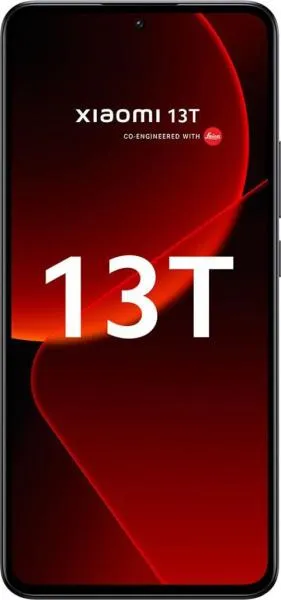
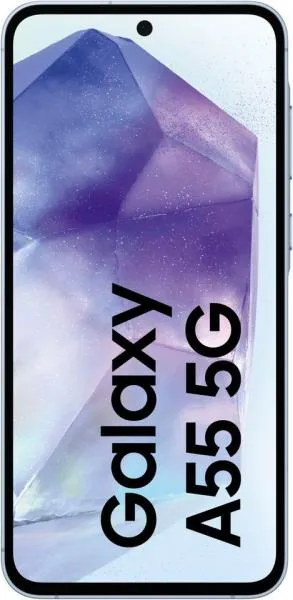
1. Specifications Comparison
| Feature | Xiaomi 13T | Samsung Galaxy A55 | Practical Impact |
|---|---|---|---|
| Design | |||
| Dimensions | 162.2x75.7x8.5mm | 161.1x77.4x8.2mm | A55 slightly narrower, thinner. Negligible difference in hand feel. |
| Weight | 193g | 213g | Xiaomi 13T noticeably lighter, reducing fatigue during extended use. |
| Colors | Black, Green, Blue | Navy, Iceblue, Lilac, Lemon | More color options with the A55. Subjective preference. |
| Display | |||
| Size | 6.67" | 6.6" | Negligible size difference. |
| Type | AMOLED, 144Hz, Dolby Vision, HDR10+ | Super AMOLED, 120Hz, HDR10+ | Xiaomi 13T boasts higher refresh rate for smoother animations and scrolling, along with Dolby Vision for enhanced visual quality. |
| Resolution | 1220x2712 | 1080x2340 | Significantly sharper display on the Xiaomi 13T (446 ppi vs 390 ppi). Noticeably crisper text and images. |
| Peak Brightness | 2600 nits | 1000 nits (HBM) | Xiaomi 13T far brighter, ensuring better visibility in direct sunlight. |
| Performance | |||
| Chipset | Dimensity 8200 Ultra (4nm) | Exynos 1480 (4nm) | Both are 4nm chips, but benchmarks needed for real-world performance comparison. |
| CPU | Octa-core (1x3.1 GHz A78...) | Octa-core (4x2.75 GHz A78...) | Xiaomi 13T likely has a performance advantage due to higher clock speed on the prime core. Requires benchmarking for confirmation. |
| GPU | Mali-G610 MC6 | Xclipse 530 | Performance difference unclear without benchmarks. |
| RAM | 12GB | 8GB/12GB | 12GB RAM on Xiaomi 13T allows for smoother multitasking and better performance with demanding applications. |
| Storage | 256GB | 256GB | Equivalent storage. |
| Battery | |||
| Capacity | 5000 mAh | 5000 mAh | Same battery capacity. Real-world battery life depends on optimization and usage. |
| Other | |||
| OS | Android 13 | Android 14 | A55 ships with a newer Android version. |
| Sensors | accelerometer, gyro,... color spectrum | accelerometer, gyro,... | Xiaomi 13T has a color spectrum sensor for potentially more accurate color reproduction in photos and display. |
| Video | 4K@30fps (HDR, EIS),... 120fps | 4K@30fps (EIS),... 60fps | Xiaomi 13T supports higher frame rate video recording (120fps) and HDR video for better quality footage. |
2. Key Differences Analysis
Xiaomi 13T Advantages:
- Superior Display: Higher resolution, refresh rate, and peak brightness deliver a noticeably better visual experience.
- Potentially Better Performance: Higher clocked CPU and more RAM suggest a performance advantage, but needs real-world testing.
- More Advanced Video Recording: Supports higher frame rates and HDR for improved video quality.
- Lighter: Noticeably less weight improves handling comfort.
Samsung Galaxy A55 Advantages:
- Newer OS: Ships with Android 14, potentially offering newer features and longer software support.
- More Color Options: Greater variety for personal preference.
- Potentially Lower Price: Depending on market and specific RAM configuration, the A55 could be more affordable. (RAM options affect this)
3. User Profiles & Recommendations
Xiaomi 13T: Ideal for users who prioritize display quality, performance, and mobile gaming. Also suitable for content creators who need high-quality video recording.
Samsung Galaxy A55: Suitable for users who prioritize a newer OS and longer software updates. Good for general use, social media, and light gaming. A potentially more budget-friendly option.
4. Decision Framework
Key Questions:
- How important is display quality? Prioritize the Xiaomi 13T for a superior visual experience.
- What is your budget? The A55 with 8GB RAM might offer better value if price is a major constraint.
- How important is software support and the latest OS features? The A55 ships with the newer Android OS.
My Choice: Xiaomi 13T
Reasoning: The superior display of the Xiaomi 13T, combined with its potential performance advantage and lighter weight, makes it the more compelling device for me. I prioritize a smooth and visually engaging user experience, and the 144Hz AMOLED display with Dolby Vision and high brightness is a significant differentiator. While the newer Android version on the A55 is attractive, the display and performance benefits of the 13T outweigh that for my personal use case. I am also willing to pay a slight premium for these advantages. The lack of concrete benchmark data for both chipsets makes a definitive performance comparison difficult, but based on the specifications, the 13T seems likely to offer better performance.
