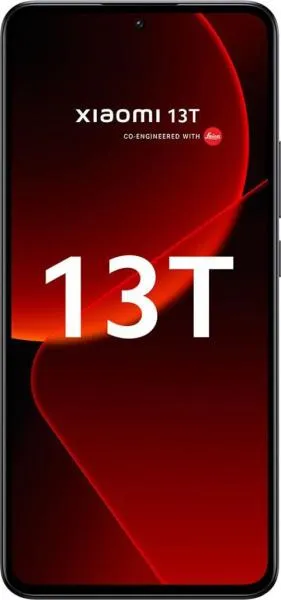
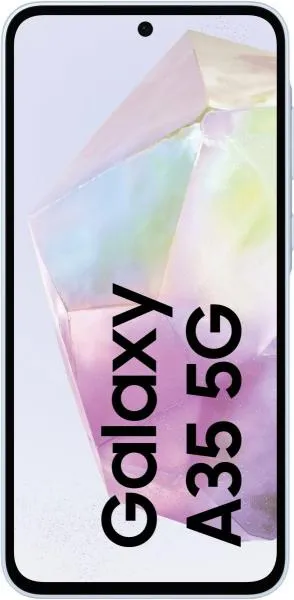
1. Specifications Comparison
| Feature | Xiaomi 13T | Samsung Galaxy A35 | Practical Impact |
|---|---|---|---|
| Design | |||
| Dimensions | 162.2 x 75.7 x 8.5 mm | 161.7 x 78 x 8.2 mm | Xiaomi 13T is slightly taller and narrower, Galaxy A35 is slightly thicker. Negligible difference in hand feel. |
| Weight | 193g | 209g | Galaxy A35 is noticeably heavier, potentially impacting one-handed use. |
| Build Materials | Not specified | Not specified | Cannot compare build quality and durability without more information. |
| Display | |||
| Size | 6.67" | 6.6" | Negligible difference in screen real estate. |
| Type | AMOLED, 68B colors, 144Hz, Dolby Vision, HDR10+ | Super AMOLED, 120Hz, 1000 nits (HBM) | Xiaomi 13T boasts higher refresh rate (smoother animations/scrolling), broader color range (more vibrant visuals), and significantly higher peak brightness (better outdoor visibility). Supports Dolby Vision and HDR10+ for enhanced video content. |
| Resolution | 1220 x 2712 | 1080 x 2340 | Xiaomi 13T has a sharper display (higher pixel density - 446 ppi vs 390 ppi), resulting in clearer text and images. |
| Performance | |||
| Chipset | Mediatek Dimensity 8200 Ultra (4 nm) | Exynos 1380 (5 nm) | Both are mid-range chipsets, but benchmarks would be needed to determine real-world performance differences. Dimensity 8200 Ultra is built on a slightly smaller process node, potentially leading to better power efficiency. |
| CPU | Octa-core (1x3.1 GHz Cortex-A78 & 3x3.0 GHz Cortex-A78 & 4x2.0 GHz Cortex-A55) | Octa-core (4x2.4 GHz Cortex-A78 & 4x2.0 GHz Cortex-A55) | Xiaomi 13T has a slightly higher clocked prime core, potentially offering a slight edge in demanding tasks. |
| GPU | Mali-G610 MC6 | Mali-G68 MP5 | Difficult to compare GPU performance without benchmarks. Different architectures and core counts make direct comparison challenging. |
| RAM/Storage | 256GB/12GB | 128GB/8GB RAM, 256GB/8GB RAM | Xiaomi 13T offers more RAM in the provided configuration, enabling better multitasking and smoother performance with memory-intensive applications. |
| Camera | |||
| Video Capabilities | 4K@30fps (HDR, EIS), 1080p@30/60/120fps (HDR, EIS) | 4K@30fps (EIS), 1080p@30/60fps (EIS) | Xiaomi 13T supports HDR video recording at various resolutions and higher frame rate slow-motion (120fps vs 60fps). Missing detailed camera specs (sensor size, aperture) limits comprehensive comparison. |
| Battery | |||
| Capacity | 5000 mAh | 5000 mAh | Similar battery capacity suggests comparable battery life, but real-world usage will vary based on software optimization and display usage. |
2. Key Differences Analysis
Xiaomi 13T Advantages:
- Superior Display: Higher resolution, refresh rate, brightness, and wider color gamut provide a significantly better visual experience.
- More RAM: 12GB RAM ensures smoother multitasking and performance compared to 8GB in the A35.
- Enhanced Video Recording: HDR video and 120fps slow-motion offer more creative options.
Samsung Galaxy A35 Advantages:
- Lighter OS: Starting with Android 14 may offer slightly better optimization and potentially longer software support.
- Potentially Lower Price: Depending on specific configurations and market pricing, the A35 might be more affordable.
3. User Profiles & Recommendations
Xiaomi 13T: Ideal for users who prioritize display quality, smooth performance, and multimedia consumption (gaming, video streaming).
Samsung Galaxy A35: Suitable for users seeking a balanced experience with a potentially lower price tag. Good for everyday tasks, social media, and light gaming.
4. Decision Framework
Key Questions:
- How important is display quality? Prioritize the 13T if a vibrant, sharp, and smooth display is crucial.
- What's your budget? The A35 might be a better value if price is a primary concern.
- What are your primary use cases? Choose the 13T for demanding tasks and media consumption; the A35 for everyday use.
My Choice: Xiaomi 13T
The Xiaomi 13T's superior display, higher RAM, and enhanced video recording capabilities make it the clear winner for me. While we lack comprehensive camera specifications, the available information suggests the 13T offers a more compelling multimedia experience. The slightly higher weight is a minor trade-off for the significant gains in other areas. The 144Hz refresh rate and brighter display are features I highly value for smooth performance and comfortable outdoor use. I also prefer having more RAM for future-proofing and seamless multitasking. While the A35 might be cheaper, the 13T's advantages justify the potential price difference for my needs.
