1. Specifications Comparison
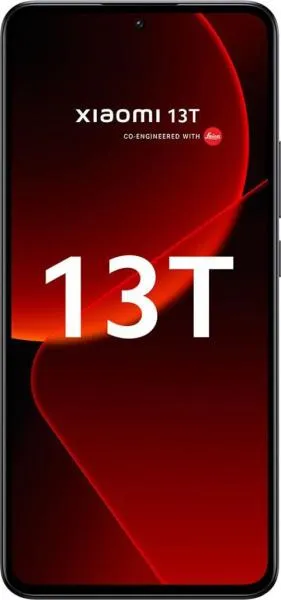
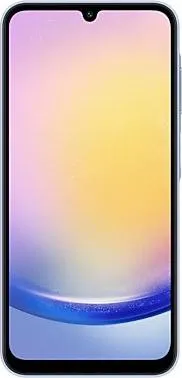
| Feature | Xiaomi 13T | Samsung Galaxy A25 | Practical Impact |
|---|---|---|---|
| Design | |||
| Dimensions | 162.2 x 75.7 x 8.5 mm | 161 x 76.5 x 8.3 mm | Virtually identical in size and feel. |
| Weight | 193g | 197g | Negligible weight difference. |
| Fingerprint Sensor | Under-display | Side-mounted | Preference-based; under-display feels more modern, side-mounted can be faster. |
| Display | |||
| Size | 6.67" | 6.5" | Xiaomi offers slightly more screen real estate. |
| Type | AMOLED, 144Hz | Super AMOLED, 120Hz | Both offer vibrant colors and smooth scrolling; Xiaomi's 144Hz provides a marginal advantage in fluidity for fast-paced gaming. |
| Resolution | 1220 x 2712 | 1080 x 2340 | Xiaomi boasts significantly sharper visuals due to higher resolution. |
| Peak Brightness | 2600 nits | 1000 nits (stated), null (actual peak) | Xiaomi offers superior outdoor visibility due to much higher peak brightness. Missing "actual peak" brightness for the A25 limits a full comparison. |
| Performance | |||
| Chipset | Mediatek Dimensity 8200 Ultra (4 nm) | Exynos 1280 (5 nm) | Xiaomi's processor is likely more powerful due to newer architecture and higher clock speeds, leading to smoother multitasking and gaming. |
| CPU | Octa-core (1x3.1 GHz & 3x3.0 GHz & 4x2.0 GHz) | Octa-core (2x2.4 GHz & 6x2.0 GHz) | Xiaomi's CPU configuration suggests better performance in demanding tasks. |
| GPU | Mali-G610 MC6 | Mali-G68 | While both are capable GPUs, the Mali-G610 MC6 in the Xiaomi is generally considered more powerful, beneficial for gaming and graphic-intensive applications. |
| RAM | 12GB | 8GB | Xiaomi offers more RAM, enabling better multitasking and smoother performance with multiple apps open. |
| Storage | 256GB | 256GB | Both offer the same storage capacity. |
| Camera | |||
| Video Capabilities | 4K@30fps (HDR, EIS), 1080p up to 120fps (HDR, EIS) | 4K@30fps (EIS), 1080p@30fps (EIS) | Xiaomi provides more versatile video recording options with higher frame rates and HDR at various resolutions. Specific camera sensor details are missing for a complete comparison. |
| Battery | |||
| Capacity | 5000 mAh | 5000 mAh | Similar battery capacities suggest comparable battery life, though real-world usage can vary. |
2. Key Differences Analysis
Xiaomi 13T Advantages:
- Superior Display: Higher resolution, refresh rate, and peak brightness translate to a noticeably better visual experience.
- More Powerful Performance: The Dimensity 8200 Ultra and 12GB RAM offer a significant performance advantage for demanding tasks and gaming.
- Versatile Video Recording: More frame rate and resolution options, along with HDR, provide greater flexibility for video content creation.
Samsung Galaxy A25 Advantages:
- Potentially Longer Software Support: Launching with Android 14 suggests it might receive updates for a longer period.
- More Color Options: Offers a wider variety of color choices for personalization.
- Potentially Lower Price: While both are mid-range, the A25 might be priced lower given its less powerful specs. This is speculation based on the specs provided.
Trade-offs:
- The Xiaomi 13T prioritizes performance and display quality over potentially longer software updates.
- The Samsung Galaxy A25 prioritizes affordability and potentially longer software support over cutting-edge performance and display features.
3. User Profiles & Recommendations
Xiaomi 13T: Ideal for users who prioritize performance, a vibrant and smooth display, and versatile camera features. Power users, mobile gamers, and content creators would benefit from its capabilities.
Samsung Galaxy A25: Suitable for users who prioritize battery life, reliable software updates, and a more budget-friendly option. Casual users who primarily use their phones for social media, browsing, and communication would find it adequate.
4. Decision Framework
Key Questions for Buyers:
- What is your budget? The Xiaomi 13T is likely more expensive given its superior specifications.
- What are your primary smartphone usage patterns? Gamers and power users will lean towards the Xiaomi 13T; casual users might find the A25 sufficient.
- How important are display quality and performance? If these are top priorities, the Xiaomi 13T is the clear winner.
My Choice: Xiaomi 13T
Reasoning:
The Xiaomi 13T offers a significant advantage in performance and display quality, which are crucial for my usage. The smoother 144Hz display, higher resolution, and significantly brighter screen are major selling points. While longer software updates are a consideration, the performance benefits and superior visual experience of the Xiaomi 13T outweigh that for me. The more powerful chipset and greater RAM capacity will provide a more future-proof device capable of handling demanding tasks and games for a longer period. Finally, the superior video recording capabilities are a bonus for capturing high-quality videos. While price is a factor, the significant jump in quality justifies the likely price difference for my needs.
