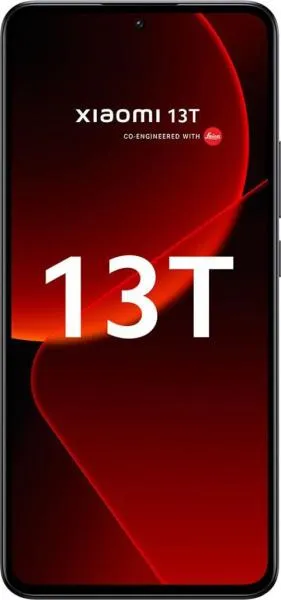
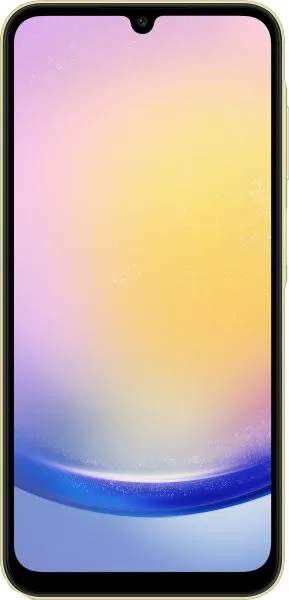
1. Specifications Comparison
| Feature | Xiaomi 13T | Samsung Galaxy A15 5G | Practical Impact |
|---|---|---|---|
| Design | |||
| Dimensions | 162.2 x 75.7 x 8.5 mm | 160.1 x 76.8 x 8.4 mm | Virtually identical in size and feel. |
| Weight | 193g | 200g | Negligible weight difference in daily use. |
| Build Materials | Not specified | Not specified | Cannot compare build quality and durability. |
| Display | |||
| Size | 6.67" | 6.5" | Slightly larger screen on the Xiaomi offers more immersive content consumption. |
| Type | AMOLED, 144Hz | Super AMOLED, 90Hz | Xiaomi's higher refresh rate delivers smoother animations and scrolling, noticeable in gaming and UI navigation. |
| Resolution | 1220 x 2712 | 1080 x 2340 | Xiaomi boasts a sharper display with higher pixel density, resulting in crisper images and text. |
| Peak Brightness | 2600 nits | 800 nits (HBM) | Significantly brighter display on the Xiaomi ensures better outdoor visibility. |
| Performance | |||
| Chipset | Mediatek Dimensity 8200 Ultra (4nm) | Mediatek Dimensity 6100+ (6nm) | The 8200 Ultra is a more powerful chip, offering significantly better performance in demanding tasks and gaming. The 4nm process also suggests better power efficiency. |
| CPU | Octa-core (1x3.1 GHz Cortex-A78 & 3x3.0 GHz Cortex-A78 & 4x2.0 GHz Cortex-A55) | Octa-core (2x2.2 GHz Cortex-A76 & 6x2.0 GHz Cortex-A55) | Xiaomi's CPU configuration, coupled with the higher clock speed, will provide a noticeable performance advantage in multitasking and demanding applications. |
| GPU | Mali-G610 MC6 | Mali-G57 MC2 | The Mali-G610 MC6 is a more capable GPU, delivering smoother gaming and faster graphics rendering compared to the A15. |
| RAM/Storage | 256GB/12GB | 128/6GB, 128/8GB, 256/8GB | Xiaomi offers a more powerful configuration with 12GB RAM, beneficial for heavy multitasking. Multiple storage options on the A15 provide flexibility for budget-conscious buyers. |
| Camera | |||
| Rear Camera | Not specified | Not specified | Camera performance cannot be compared without detailed specifications. |
| Video | 4K@30fps, 1080p@ up to 120fps | 1080p@30fps | The Xiaomi offers significantly more versatile video recording capabilities with higher resolution and frame rate options. |
| Battery | |||
| Capacity | 5000 mAh | 5000 mAh | Similar battery capacities suggest comparable battery life, though actual usage will depend on other factors like display and chipset. |
2. Key Differences Analysis
Xiaomi 13T Advantages:
- Superior Performance: Significantly more powerful chipset and GPU.
- Smoother Display: Higher refresh rate (144Hz) and resolution.
- Brighter Display: Much higher peak brightness for better outdoor visibility.
- More Versatile Video Recording: Higher resolution and frame rates.
- More RAM: 12GB RAM for smoother multitasking.
Samsung Galaxy A15 5G Advantages:
- More Storage Options: Offers configurations with varying storage and RAM, providing flexibility.
- Potentially Lower Price: Depending on the specific configuration, the A15 may be more affordable.
- Newer Android Version at Launch: Launched with Android 14 compared to Android 13 on the Xiaomi. However, Xiaomi is likely to receive updates to newer versions.
3. User Profiles & Recommendations
Xiaomi 13T: Ideal for users who prioritize performance, a smooth and vibrant display, and versatile video recording. Suitable for gamers, power users, and content creators.
Samsung Galaxy A15 5G: Suitable for users who prioritize affordability and basic smartphone functionality. Good for casual users who primarily use their phones for communication, social media, and light browsing.
4. Decision Framework
Key Questions for Buyers:
- What is your budget? The Xiaomi 13T is likely more expensive.
- What are your primary smartphone uses? Gaming, content creation, or heavy multitasking benefit from the Xiaomi's performance.
- How important is display quality? The Xiaomi's superior display is a major advantage for media consumption.
My Choice: Xiaomi 13T
While lacking specific camera details hinders a complete assessment, the Xiaomi 13T is the clear winner based on the available information. Its superior performance, smoother and brighter display, and more versatile video recording capabilities make it a significantly more compelling device for a wider range of users. The 12GB RAM ensures smooth multitasking for years to come, and the powerful chipset provides ample headroom for demanding applications and games. While the A15 offers flexibility in storage options and potentially a lower price, the significant performance and display advantages of the Xiaomi 13T outweigh these factors for me. The slightly older Android version at launch is not a major concern, as the Xiaomi is expected to receive updates.
