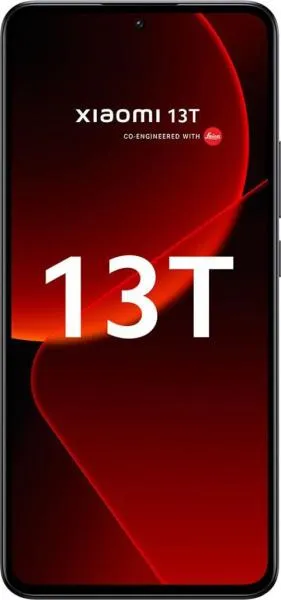
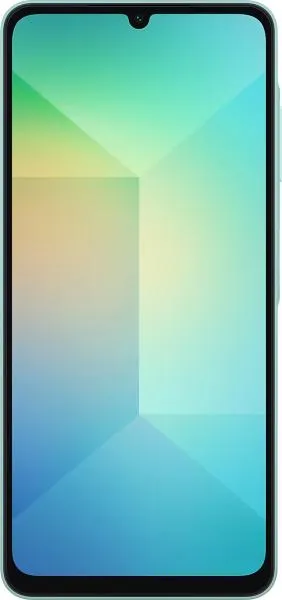
1. Specifications Comparison
| Feature | Xiaomi 13T | Samsung Galaxy A06 | Practical Impact |
|---|---|---|---|
| Design | |||
| Dimensions | 162.2 x 75.7 x 8.5 mm | 167.3 x 77.3 x 8 mm | The Xiaomi 13T is slightly smaller and thinner, potentially offering a better one-handed grip. |
| Weight | 193g | 189g | Negligible weight difference in practical usage. |
| Build Materials | Not specified | Not specified | Cannot compare build quality and durability without more information. |
| Display | |||
| Display Type | AMOLED, 68B colors, 144Hz | PLS LCD | The Xiaomi 13T's AMOLED display offers significantly better contrast, wider color gamut (68B vs. likely 16M on the A06), and smoother visuals due to the 144Hz refresh rate. |
| Size | 6.67" | 6.7" | Negligible size difference. |
| Resolution | 1220 x 2712 (446 ppi) | 720 x 1600 (262 ppi) | The Xiaomi 13T has a much sharper and more detailed display due to the significantly higher resolution and pixel density. |
| Brightness | 2600 nits (peak) | Not specified | The Xiaomi 13T offers superior outdoor visibility with its exceptionally high peak brightness. We cannot compare without the A06's peak brightness. |
| Refresh Rate | 144Hz | Not specified | The 144Hz refresh rate on the 13T results in incredibly smooth scrolling and animations, especially noticeable in gaming and fast-paced content. A lower refresh rate on the A06 would mean less fluid visuals. |
| Performance | |||
| Chipset | Mediatek Dimensity 8200 Ultra (4nm) | Mediatek Helio G85 (12nm) | The 8200 Ultra is a significantly more powerful and efficient chip than the Helio G85 due to its smaller manufacturing process and superior architecture. This translates to much faster performance, smoother multitasking, and better gaming capabilities in the 13T. |
| CPU | Octa-core (1x3.1 GHz Cortex-A78 & 3x3.0 GHz Cortex-A78 & 4x2.0 GHz Cortex-A55) | Octa-core (2x2.0 GHz Cortex-A75 & 6x1.8 GHz Cortex-A55) | The 13T boasts faster clock speeds and a more modern CPU architecture, resulting in a significant performance advantage. |
| GPU | Mali-G610 MC6 | Mali-G52 MC2 | The Mali-G610 MC6 is a more powerful GPU than the Mali-G52 MC2, enabling smoother gaming and graphics-intensive tasks on the 13T. |
| RAM | 12GB | 6GB | More RAM on the 13T allows for smoother multitasking and more apps running in the background without performance slowdowns. |
| Battery | |||
| Capacity | 5000 mAh | 5000 mAh | Similar battery capacities suggest comparable battery life, but real-world usage will depend on software optimization and display efficiency. The 13T's more efficient chip and higher refresh rate display could potentially drain the battery faster. |
| Other | |||
| OS | Android 13 | Android 14 | The A06 launches with a newer Android version, but the 13T is likely to receive updates to newer versions as well. |
| NFC | Yes | No | The Xiaomi 13T supports contactless payments and data transfer via NFC, while the A06 does not. |
2. Key Differences Analysis
Xiaomi 13T Advantages:
- Significantly superior display: Higher resolution, AMOLED technology, higher refresh rate, and peak brightness translate to a vastly improved visual experience.
- Much more powerful performance: The Dimensity 8200 Ultra significantly outperforms the Helio G85 in processing power and graphics capabilities.
- More RAM for smoother multitasking: 12GB vs. 6GB.
- NFC for contactless payments.
Samsung Galaxy A06 Advantages:
- Lower price point: Belongs to a lower price range.
- Newer Android version out of the box: Android 14 vs. Android 13.
- Potentially longer software support: Although not confirmed, Samsung has recently improved its software update policy for some A-series devices. This is speculation and not confirmed by the provided data.
3. User Profiles & Recommendations
Xiaomi 13T: Ideal for users who prioritize performance, a high-quality display, smooth gaming, and multitasking capabilities. Suitable for demanding tasks, content creation, and mobile gaming.
Samsung Galaxy A06: Best suited for budget-conscious users who primarily use their phone for basic tasks like calling, texting, browsing, and social media. Less demanding users who prioritize affordability over top-tier specs.
4. Decision Framework
Key Questions:
- What is your budget? The A06 is a budget phone, while the 13T is a mid-range device.
- What are your primary phone usage patterns? Demanding tasks and gaming benefit from the 13T's performance; basic usage is sufficiently handled by the A06.
- How important is display quality? The 13T's superior display is a significant advantage for media consumption.
My Choice: Xiaomi 13T
The Xiaomi 13T is the clear winner for me. While the Samsung Galaxy A06 offers a lower price point, the 13T's significantly superior performance, stunning display, and inclusion of features like NFC make it a much more compelling device. The difference in price is justified by the substantial upgrade in user experience. I value a smooth and responsive phone with a great screen for media consumption and gaming, making the 13T the better choice. The A06's only advantages are its lower price and newer initial Android version, which are outweighed by the 13T's strengths. The lack of specification data for important factors like the A06's screen brightness makes a truly comprehensive comparison impossible, but even with that missing information, the 13T comes out ahead.
