1. Specifications Comparison
| Feature | Xiaomi 13T | Samsung Galaxy A05s | Practical Impact |
|---|---|---|---|
| Design | |||
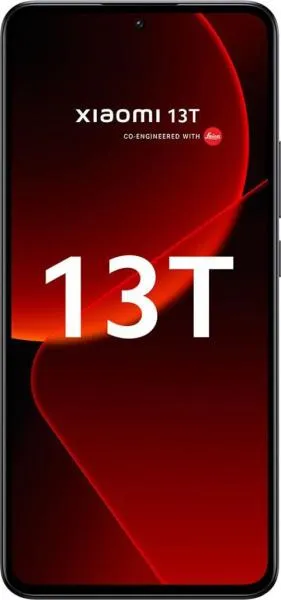
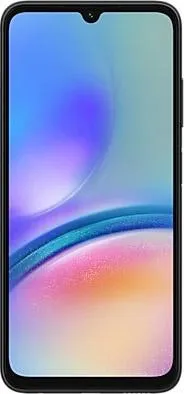
| Dimensions (mm) | 162.2 x 75.7 x 8.5 | 168 x 77.8 x 8.8 | The Xiaomi 13T is slightly smaller and thinner, potentially offering a better one-handed grip. |
| Weight (g) | 193 | 194 | Negligible weight difference. |
| Build Materials | Not specified | Not specified | Material differences can impact durability and premium feel; information lacking for both. |
| Display | |||
| Display Type | AMOLED, 68B colors, 144Hz | PLS LCD, 90Hz | The Xiaomi 13T's AMOLED display offers significantly better contrast, wider color gamut (68B vs. likely 16M for the A05s), and smoother animations thanks to the higher refresh rate. |
| Resolution | 1220 x 2712 | 1080 x 2400 | The Xiaomi 13T boasts a sharper display with higher pixel density (446 ppi vs 393 ppi). |
| Peak Brightness | 2600 nits | Not specified | The Xiaomi 13T offers superior outdoor visibility with its significantly higher peak brightness. The A05s's unspecified brightness could be a concern in sunlight. |
| Performance | |||
| Chipset | Mediatek Dimensity 8200 Ultra (4 nm) | Qualcomm Snapdragon 680 4G (6 nm) | The Dimensity 8200 Ultra is a significantly more powerful chipset, resulting in faster app loading, smoother multitasking, and better gaming performance. |
| CPU | Octa-core (1x3.1 GHz Cortex-A78 & 3x3.0 GHz Cortex-A78 & 4x2.0 GHz Cortex-A55) | Octa-core (4x2.4 GHz Kryo 265 Gold & 4x1.9 GHz Kryo 265 Silver) | The Xiaomi 13T's CPU architecture and clock speeds indicate a substantial performance advantage over the A05s. |
| GPU | Mali-G610 MC6 | Adreno 610 | The Mali-G610 MC6 should provide notably better graphics performance for gaming and demanding applications. |
| RAM | 12GB | 4GB/6GB | The Xiaomi 13T's 12GB RAM enables superior multitasking and smoother performance with demanding apps compared to the A05s's 4GB/6GB. |
| Storage | 256GB | 128GB | The Xiaomi 13T offers double the storage, allowing users to store more apps, photos, and videos. |
| Camera | |||
| Rear Camera | Not specified | Not specified | Insufficient data to compare camera quality and features. |
| Video Capabilities | 4K@30fps (HDR, EIS), 1080p@ various fps (HDR, EIS) | 1080p@30/60fps | The Xiaomi 13T offers 4K video recording and Electronic Image Stabilization (EIS) across various resolutions and frame rates, suggesting superior video recording capabilities compared to the A05s. |
| Battery | |||
| Capacity | 5000 mAh | 5000 mAh | Similar battery capacities suggest comparable battery life, although real-world usage will depend on other factors like display and chipset efficiency. |
2. Key Differences Analysis
Xiaomi 13T Advantages:
- Significantly more powerful: The Dimensity 8200 Ultra, coupled with 12GB RAM, provides a substantial performance advantage for demanding tasks and gaming.
- Superior display: The 144Hz AMOLED display offers vibrant colors, deep blacks, smooth scrolling, and excellent outdoor visibility.
- More storage: Double the storage capacity of the A05s.
- Advanced video recording: 4K recording with EIS.
Samsung Galaxy A05s Advantages:
- Potentially lower price: While both are in the "medium price" range, the A05s might be more budget-friendly given its lower specs.
3. User Profiles & Recommendations
Xiaomi 13T: Ideal for users who prioritize performance, a high-quality display, and ample storage. Suitable for demanding tasks like gaming, video editing, and multitasking.
Samsung Galaxy A05s: Best suited for users on a tighter budget who prioritize basic smartphone functionality for everyday tasks like calling, texting, web browsing, and social media. Not recommended for demanding applications or heavy multitasking.
4. Decision Framework
Key Questions:
- What is your budget? The A05s is likely more affordable.
- What are your primary smartphone usage patterns? Heavy users will appreciate the 13T's performance.
- How important is display quality? The 13T's AMOLED display is a significant upgrade.
My Choice: Xiaomi 13T
While lacking specific camera details for a complete comparison, the Xiaomi 13T is the clear winner based on the available information. Its superior processor, stunning display, larger RAM and storage, and advanced video capabilities offer a significantly better user experience for a wider range of tasks. The performance and display alone justify the likely price difference for most users beyond basic needs. The A05s might be a viable option for extremely budget-conscious buyers who solely prioritize essential communication and light browsing. However, the 13T offers a future-proof investment with its powerful hardware and premium features. Even if the A05s were significantly cheaper, the difference in user experience provided by the 13T would be worth the extra cost for me.
