1. Specifications Comparison
| Feature | Xiaomi 13T | Samsung Galaxy A05 | Practical Impact |
|---|---|---|---|
| Design | |||
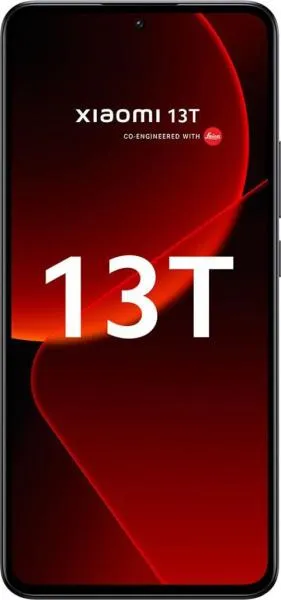
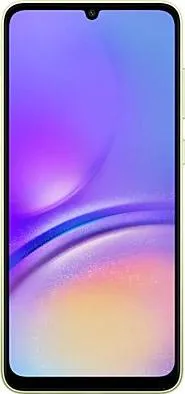
| Dimensions (mm) | 162.2 x 75.7 x 8.5 | 168.8 x 78.2 x 8.8 | The Xiaomi 13T is slightly smaller and thinner, potentially offering a better one-handed grip. |
| Weight (g) | 193 | 195 | Negligible weight difference in practical use. |
| Build Materials | Missing | Missing | Cannot compare build quality and feel. |
| Display | |||
| Display Type | AMOLED, 68B colors, 144Hz | PLS LCD | The Xiaomi 13T's AMOLED display offers significantly better contrast, wider color gamut (68B vs. likely 16M), and potentially higher brightness. This results in a more vibrant and immersive viewing experience. |
| Display Size (inches) | 6.67 | 6.7 | Virtually identical screen sizes. |
| Resolution | 1220 x 2712 | 720 x 1600 | The Xiaomi 13T boasts a much sharper display (446 ppi vs. 262 ppi), resulting in crisper text and images. |
| Refresh Rate (Hz) | 144 | Missing, assumed to be 60Hz based on typical specs for this phone class | The 144Hz refresh rate on the Xiaomi 13T provides a significantly smoother and more responsive user experience, especially noticeable in gaming and scrolling. |
| Peak Brightness (nits) | 2600 | Missing | The Xiaomi 13T likely offers superior outdoor visibility due to its much higher peak brightness. |
| Performance | |||
| Chipset | Mediatek Dimensity 8200 Ultra (4 nm) | Mediatek Helio G85 (12 nm) | The Dimensity 8200 Ultra is a significantly more powerful chipset built on a smaller process node, leading to much better performance and efficiency in demanding tasks like gaming and multitasking. |
| CPU | Octa-core (1x3.1 GHz Cortex-A78 & 3x3.0 GHz Cortex-A78 & 4x2.0 GHz Cortex-A55) | Octa-core (2x2.0 GHz Cortex-A75 & 6x1.8 GHz Cortex-A55) | The Xiaomi 13T's CPU features faster and more modern cores, resulting in noticeably quicker app loading, smoother operation, and better overall responsiveness. |
| GPU | Mali-G610 MC6 | Mali-G52 MC2 | The Mali-G610 MC6 is a considerably more powerful GPU, enabling superior gaming performance and smoother graphics rendering. |
| RAM | 12GB | 4GB/6GB | More RAM in the Xiaomi 13T allows for smoother multitasking and less frequent app reloading. |
| Storage | 256GB | 128GB | Double the storage on the Xiaomi 13T allows for storing more apps, photos, and videos. |
| Camera | |||
| Rear Camera | Missing detailed specs | Missing detailed specs | Insufficient data to compare camera quality. |
| Video Recording | 4K@30fps (HDR, EIS), 1080p@ various fps (HDR, EIS) | 1080p@30/60fps | The Xiaomi 13T offers 4K video recording and potentially better video stabilization (EIS) with HDR capabilities at various frame rates, suggesting superior video recording capabilities. |
| Battery | |||
| Capacity (mAh) | 5000 | 5000 | Identical battery capacities. Real-world battery life will depend on software optimization and usage patterns. |
| Charging Speed | Missing | Missing | Cannot compare charging speeds. |
| Other | |||
| NFC | Yes | No | NFC enables contactless payments and other convenient features. |
| OS | Android 13 | Android 13 | Both run on Android 13, but long-term software support may differ. |
2. Key Differences Analysis
Xiaomi 13T Advantages:
- Significantly superior performance: The Dimensity 8200 Ultra, coupled with 12GB RAM, offers a much smoother and faster experience compared to the Helio G85.
- Much better display: The high-resolution, high-refresh-rate AMOLED display with Dolby Vision and HDR10+ provides a dramatically better visual experience.
- Enhanced features: NFC for contactless payments.
Samsung Galaxy A05 Advantages:
- Lower price: Belongs to a lower price range, making it more budget-friendly.
3. User Profiles & Recommendations
Xiaomi 13T: Ideal for users who prioritize performance, a premium display, smooth gaming, multitasking, and value features like NFC. Suitable for power users, gamers, and content creators.
Samsung Galaxy A05: Best suited for budget-conscious users who prioritize basic functionality over performance and premium features. Good for casual users primarily using their phone for calling, texting, and light web browsing.
4. Decision Framework
Key Questions for Buyers:
- What is your budget? The Xiaomi 13T is a significantly more expensive device.
- What are your primary phone usage patterns? For demanding tasks, the Xiaomi 13T is essential. For basic use, the A05 might suffice.
- How important is display quality and performance? The Xiaomi 13T vastly outperforms the A05 in these areas.
Scenario-Based Recommendations:
- Gamer: Xiaomi 13T for its powerful chipset and high refresh rate display.
- Budget-conscious student: Samsung Galaxy A05 for its affordability.
- Professional needing a reliable device: Xiaomi 13T for its performance and features.
My Choice: Xiaomi 13T
Reasons: The Xiaomi 13T offers a significantly superior overall experience due to its powerful processor, stunning display, and additional features like NFC. While more expensive, the substantial performance and quality upgrades justify the higher price for most users beyond those strictly seeking the absolute cheapest option. The 144Hz refresh rate, high-resolution AMOLED display, and the Dimensity 8200 Ultra chipset make it a future-proof device capable of handling demanding tasks and providing a premium user experience. The Samsung Galaxy A05, while budget-friendly, compromises significantly on performance and display quality, which would impact my daily usage.
