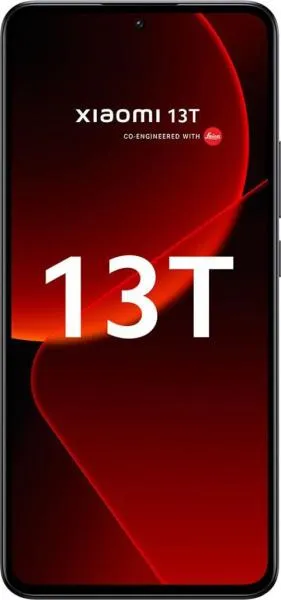
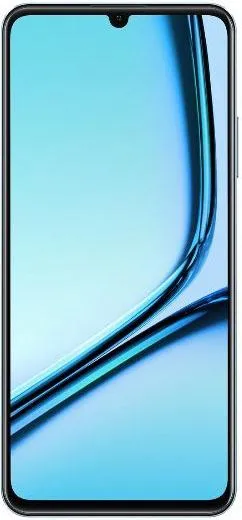
1. Specifications Comparison
| Feature | Xiaomi 13T | Realme Note 50 | Practical Impact |
|---|---|---|---|
| Design | |||
| Dimensions | 162.2 x 75.7 x 8.5 mm | 167.2 x 76.7 x 8 mm | Xiaomi 13T is slightly smaller and thinner. Realme Note 50 might feel slightly larger in hand. |
| Weight | 193g | 186g | Realme Note 50 is slightly lighter, potentially more comfortable for extended use. |
| Build Materials | Not specified | Not specified | Cannot compare build quality and durability without material information. |
| Display | |||
| Display Type | AMOLED, 68B colors | IPS LCD | Xiaomi 13T's AMOLED offers deeper blacks, more vibrant colors, and better power efficiency. |
| Size | 6.67" | 6.74" | Negligible size difference in real-world usage. |
| Resolution | 1220 x 2712 (446 ppi) | 720 x 1600 (260 ppi) | Xiaomi 13T offers significantly sharper visuals due to much higher resolution and pixel density. Text, images, and videos will appear clearer and more detailed. |
| Refresh Rate | 144Hz | 90Hz | Xiaomi 13T provides a smoother and more responsive experience, especially noticeable in gaming and scrolling. |
| Peak Brightness | 2600 nits | 560 nits | Xiaomi 13T will be significantly more visible in direct sunlight. |
| Performance | |||
| Chipset | Mediatek Dimensity 8200 Ultra (4 nm) | Unisoc Tiger T612 (12 nm) | Xiaomi 13T boasts a significantly more powerful processor built on a more advanced manufacturing process, leading to superior performance, efficiency, and thermal management. |
| CPU | Octa-core (1x3.1 GHz Cortex-A78 & 3x3.0 GHz Cortex-A78 & 4x2.0 GHz Cortex-A55) | Octa-core (2x1.8 GHz Cortex-A75 & 6x1.8 GHz Cortex-A55) | Xiaomi 13T has faster and more powerful CPU cores, resulting in much faster app loading, multitasking, and overall system responsiveness. |
| GPU | Mali-G610 MC6 | Mali-G57 | Xiaomi 13T offers significantly better graphics performance, crucial for demanding games and applications. |
| RAM | 12GB | 4GB | Xiaomi 13T allows for significantly more apps to run in the background without reloading, resulting in smoother multitasking. |
| Storage | 256GB | 128GB | Xiaomi 13T provides double the storage space. |
| Camera | |||
| Rear Camera | Not specified | Not specified | Cannot compare camera quality without detailed sensor and lens specifications. |
| Video Recording | 4K@30fps (HDR, EIS), 1080p at various frame rates | 1080p@30fps | Xiaomi 13T offers 4K video recording and higher frame rate options at 1080p, providing better video quality and slow-motion capabilities. |
| Battery | |||
| Capacity | 5000 mAh | 5000 mAh | Similar battery capacity. Actual battery life depends on usage and optimization. |
2. Key Differences Analysis
Xiaomi 13T Advantages:
- Significantly superior performance: The Dimensity 8200 Ultra outclasses the Unisoc Tiger T612 in every aspect.
- Much better display: AMOLED with higher resolution, refresh rate, and brightness.
- More RAM and Storage: Provides a smoother and more future-proof experience.
- Superior video recording capabilities: Offers 4K recording and higher frame rates.
Realme Note 50 Advantages:
- Slightly lighter: Potentially more comfortable for extended use.
- Lower price: Appeals to budget-conscious buyers.
3. User Profiles & Recommendations
Xiaomi 13T: Users who prioritize performance, a high-quality display, and future-proofing. Ideal for gaming, content creation, and demanding tasks.
Realme Note 50: Users on a tight budget who primarily use their phone for basic tasks like calling, texting, and web browsing.
4. Decision Framework
Key Questions:
- What is your budget? The Realme Note 50 is significantly cheaper.
- What are your primary phone usage patterns? For demanding tasks, the Xiaomi 13T is essential.
- How important is display quality? The Xiaomi 13T's AMOLED display is a major advantage.
Scenario-Based Recommendations:
- Gamer: Xiaomi 13T
- Photographer/Videographer: Cannot recommend without camera details, but Xiaomi 13T likely better due to 4K video.
- Casual User: Realme Note 50 if budget is extremely tight, otherwise Xiaomi 13T for a better overall experience.
My Choice: Xiaomi 13T
The Xiaomi 13T is the clear winner for me. While the Realme Note 50 offers a lower price, the Xiaomi 13T's significantly superior performance, stunning display, and larger RAM/storage make it a much better long-term investment. The difference in price is justified by the vastly improved user experience offered by the Xiaomi 13T. The smoother performance, vibrant display, and ample memory would greatly enhance my daily usage, making it worth the extra cost. The 144Hz refresh rate and the brighter, more color-accurate AMOLED screen are substantial upgrades that impact daily use.
