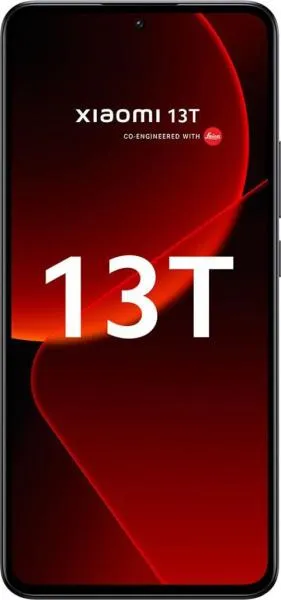
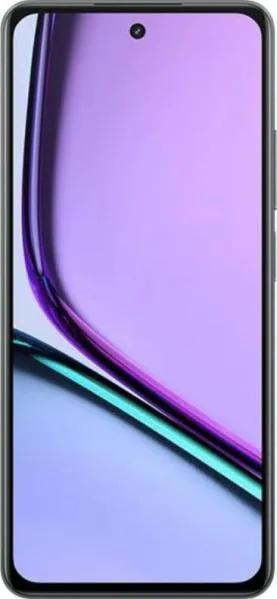
1. Specifications Comparison
| Feature | Xiaomi 13T | Realme C67 | Practical Impact |
|---|---|---|---|
| Design | |||
| Dimensions (mm) | 162.2 x 75.7 x 8.5 | 165.7 x 76 x 7.9 | Xiaomi 13T is slightly shorter and thinner. Negligible difference in daily use. |
| Weight (g) | 193 | 190 | Virtually identical weight; no noticeable difference in hand. |
| Build Materials | Not specified | Not specified | Cannot compare build quality and durability without more information. |
| Fingerprint Sensor | Under display | Side-mounted | Preference-based; under-display feels more modern, side-mounted can be faster to access. |
| Display | |||
| Display Type | AMOLED, 68B colors | IPS LCD | Xiaomi 13T offers significantly better contrast, deeper blacks, and richer colors due to AMOLED technology. |
| Display Size (inches) | 6.67 | 6.72 | Realme C67 is slightly larger; difference is minimal. |
| Resolution | 1220 x 2712 | 1080 x 2400 | Xiaomi 13T has a much sharper display with higher pixel density (446 ppi vs 392 ppi), resulting in clearer text and images. |
| Refresh Rate (Hz) | 144 | 120 | Xiaomi 13T offers smoother scrolling and animations, especially noticeable in gaming and fast UI interactions. |
| Peak Brightness (nits) | 2600 | 680 | Xiaomi 13T is drastically brighter, ensuring excellent outdoor visibility even in direct sunlight. Realme C67 may be difficult to see outdoors. |
| Performance | |||
| Chipset | Mediatek Dimensity 8200 Ultra (4 nm) | Mediatek Dimensity 6100+ (6 nm) | Xiaomi 13T boasts a significantly more powerful processor, leading to much faster performance in demanding tasks like gaming and multitasking. |
| CPU | Octa-core (1x3.1 GHz Cortex-A78 & 3x3.0 GHz Cortex-A78 & 4x2.0 GHz Cortex-A55) | Octa-core (2x2.2 GHz Cortex-A76 & 6x2.0 GHz Cortex-A55) | Xiaomi 13T's CPU architecture and higher clock speeds provide a noticeable performance advantage. |
| GPU | Mali-G610 MC6 | Mali-G57 MC2 | Xiaomi 13T has a more capable GPU for better gaming performance and smoother graphics rendering. |
| RAM | 12GB | 6GB | Xiaomi 13T offers double the RAM, enabling smoother multitasking and allowing more apps to run in the background without performance slowdown. |
| Storage | 256GB | 128GB | Xiaomi 13T provides double the storage capacity. |
| Camera | |||
| Rear Camera | Not specified for either phone | Not specified for either phone | Cannot compare camera quality and features without detailed specifications. |
| Video Capabilities | 4K@30fps, 1080p at various frame rates with HDR and EIS | 1080p@30fps | Xiaomi 13T offers superior video recording capabilities with higher resolution (4K) and features like HDR and EIS for better quality and stabilization. |
| Battery | |||
| Capacity (mAh) | 5000 | 5000 | Identical battery capacity; real-world battery life will depend on software optimization and usage patterns. |
| Charging Speed | Not specified for either phone | Not specified for either phone | Cannot compare charging speeds without more information. |
2. Key Differences Analysis
Xiaomi 13T Advantages:
- Significantly superior display: AMOLED with higher resolution, refresh rate, and dramatically better brightness.
- Much more powerful performance: Faster processor, GPU, and double the RAM.
- Enhanced video recording capabilities: 4K recording with HDR and EIS.
- More storage: Double the storage of the Realme C67.
Realme C67 Advantages:
- Potentially lower price: While both are in the "medium price" range, the Realme C67's lower specs likely translate to a lower price point.
- Slightly larger display: Minimal difference in size, but may be preferred by some users.
Trade-offs:
- Xiaomi 13T: Higher price for significantly better performance and display.
- Realme C67: Compromises on performance, display quality, and features for a potentially lower price.
3. User Profiles & Recommendations
Xiaomi 13T: Ideal for users who prioritize performance, a high-quality display, and smooth multitasking. Suitable for demanding tasks like gaming, content creation, and heavy media consumption.
Realme C67: Best suited for budget-conscious users with basic smartphone needs like calling, texting, browsing, and social media. Not recommended for demanding tasks or users who prioritize display quality.
4. Decision Framework
Key Questions for Buyers:
- What is your budget? The Xiaomi 13T will likely be more expensive.
- What are your primary smartphone uses? For basic use, the Realme C67 might suffice. For demanding tasks, the Xiaomi 13T is necessary.
- How important is display quality? The Xiaomi 13T's AMOLED display is a major advantage.
My Choice: Xiaomi 13T
The Xiaomi 13T is the clear winner for me. While the price might be higher, the significantly superior display, vastly improved performance, and enhanced features justify the cost. The difference in display quality alone is a significant factor, as I value a bright, sharp screen for media consumption and everyday use. The extra performance headroom ensures a smooth and lag-free experience for years to come. The Realme C67, while potentially cheaper, makes too many compromises in crucial areas that impact the overall user experience. I prioritize long-term value and a premium experience, making the Xiaomi 13T the better choice.
