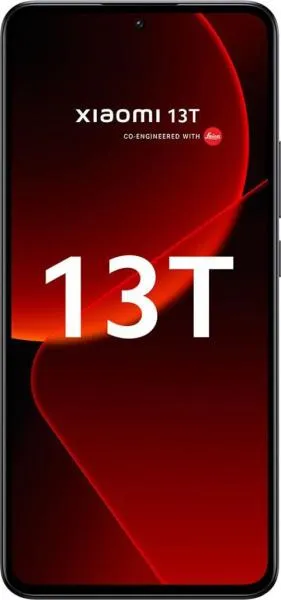
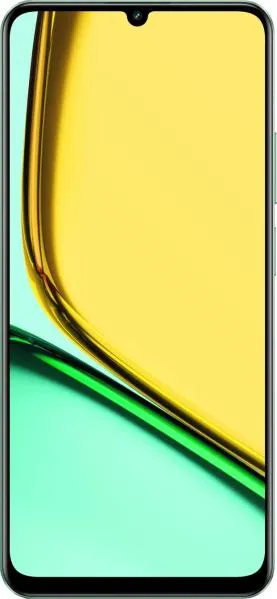
1. Specifications Comparison
| Feature | Xiaomi 13T | Realme C61 | Practical Impact |
|---|---|---|---|
| Design | |||
| Dimensions (mm) | 162.2 x 75.7 x 8.5 | 167.3 x 76.7 x 7.8 | The Realme C61 is slightly larger and thinner. |
| Weight (g) | 193 | 188 | Negligible weight difference in practical use. |
| Fingerprint Sensor | Under display | Side-mounted | Preference-based; under-display is often perceived as more modern. |
| Display | |||
| Display Type | AMOLED, 68B colors | IPS LCD | Xiaomi offers significantly better contrast, color accuracy, and black levels due to AMOLED technology. |
| Display Size (inches) | 6.67 | 6.74 | Realme C61 has a slightly larger screen. |
| Resolution | 1220 x 2712 | 720 x 1600 | Xiaomi 13T boasts a much sharper display with significantly higher pixel density (446 ppi vs 260 ppi), resulting in crisper text and images. |
| Refresh Rate (Hz) | 144 | 90 | Xiaomi 13T provides a smoother user experience, especially noticeable in gaming and scrolling. |
| Peak Brightness (nits) | 2600 | 560 | Xiaomi 13T will be far more visible in direct sunlight. |
| Performance | |||
| Chipset | Mediatek Dimensity 8200 Ultra (4 nm) | Unisoc Tiger T612 (12 nm) | Xiaomi 13T offers significantly better performance and efficiency due to a more powerful and modern chipset. |
| CPU | Octa-core (1x3.1 GHz Cortex-A78 & 3x3.0 GHz Cortex-A78 & 4x2.0 GHz Cortex-A55) | Octa-core (2x1.8 GHz Cortex-A75 & 6x1.8 GHz Cortex-A55) | The Xiaomi 13T will handle demanding tasks and multitasking much more efficiently. |
| GPU | Mali-G610 MC6 | Mali-G57 | Xiaomi 13T provides significantly better gaming performance. |
| RAM | 12GB | 6GB | Xiaomi 13T allows for more apps to run in the background and smoother multitasking. |
| Storage | 256 GB | 256 GB | Equal storage capacity. |
| Camera | |||
| Video Capabilities | 4K@30fps (HDR, EIS), various other options | 1080p@30fps | The Xiaomi 13T offers higher resolution video recording (4K) and image stabilization (EIS), resulting in superior video quality. More recording options provide flexibility for various scenarios. |
| Battery | |||
| Capacity (mAh) | 5000 | 5000 | Similar battery capacity; however, real-world battery life will depend on software optimization and display efficiency, where the Xiaomi 13T might have an advantage due to its more efficient chipset. |
| Other | |||
| OS | Android 13 | Android 14 | Realme C61 launches with a newer Android version. |
| NFC | Yes | No | Xiaomi 13T supports contactless payments and data transfer via NFC. |
| USB | USB Type-C 2.0, OTG | USB Type-C | Xiaomi 13T supports On-The-Go (OTG) for connecting peripherals. USB version unclear for Realme C61, limiting detailed comparison. |
2. Key Differences Analysis
Xiaomi 13T Advantages:
- Superior Display: AMOLED with higher resolution, refresh rate, and brightness.
- Significantly Better Performance: More powerful chipset, GPU, and more RAM.
- Enhanced Camera Features: 4K video recording with EIS.
- NFC Functionality: Enables contactless payments.
Realme C61 Advantages:
- Lower Price: Positioned in the low price range.
- Newer Android Version: Ships with Android 14.
- Slightly Larger Screen: Though resolution is significantly lower.
- Slightly Lighter: While the difference is minimal in practice.
3. User Profiles & Recommendations
Xiaomi 13T: Users who prioritize performance, a high-quality display, and camera features. Suitable for demanding tasks, gaming, and media consumption.
Realme C61: Budget-conscious users who primarily need a basic smartphone for communication, web browsing, and light tasks.
4. Decision Framework
Key Questions for Buyers:
- What is your budget? The Realme C61 is significantly cheaper.
- What are your primary use cases? Gaming, media consumption, and demanding tasks favor the Xiaomi 13T.
- How important is display quality? The Xiaomi 13T offers a dramatically better visual experience.
My Choice: Xiaomi 13T
While the Realme C61 offers a lower price point, the Xiaomi 13T provides significantly more value for the likely price difference. The superior display, performance, camera, and NFC functionality make it a much more versatile and future-proof device. The differences in user experience between a 144Hz AMOLED screen and a 90Hz IPS LCD are substantial. Similarly, the performance gap between the Dimensity 8200 Ultra and the Unisoc Tiger T612 is considerable for any task beyond basic usage. For me, these advantages outweigh the slightly newer Android version and marginal size/weight differences of the Realme C61. The inclusion of NFC for contactless payments is also a significant factor in my decision.
