1. Specifications Comparison
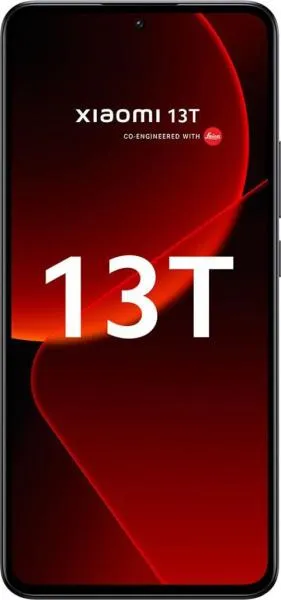
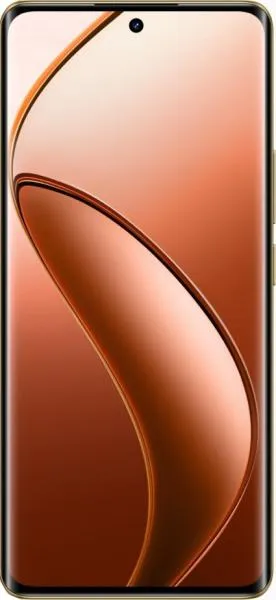
| Feature | Xiaomi 13T | Realme 12 Pro+ | Practical Impact |
|---|---|---|---|
| Design | |||
| Dimensions (mm) | 162.2 x 75.7 x 8.5 | 161.5 x 74 x 8.8 | Xiaomi 13T is slightly taller and wider, but marginally thinner. Negligible difference in hand feel. |
| Weight (g) | 193 | 196 | Virtually identical weight; no discernible difference in usage. |
| Build Materials | Not specified | Not specified | Cannot compare build quality and durability without more information. |
| Display | |||
| Size (inches) | 6.67 | 6.7 | Negligible size difference. |
| Type | AMOLED, 68B colors, 144Hz, Dolby Vision, HDR10+ | AMOLED, 1B colors, 120Hz | Xiaomi boasts significantly more colors (68B vs 1B), resulting in smoother color gradients and potentially better HDR performance. The 144Hz refresh rate on the Xiaomi offers smoother animations and scrolling compared to 120Hz on the Realme, especially noticeable in gaming. Dolby Vision and HDR10+ support on the Xiaomi provide a wider range of colors and higher contrast in compatible content. |
| Resolution | 1220 x 2712 | 1080 x 2412 | Xiaomi has a sharper display (446 ppi vs 394 ppi), resulting in clearer text and images. |
| Peak Brightness (nits) | 2600 | 950 | Xiaomi offers far superior peak brightness, making it much more readable in direct sunlight. |
| Performance | |||
| Chipset | Mediatek Dimensity 8200 Ultra (4 nm) | Qualcomm Snapdragon 7s Gen 2 (4 nm) | Both are 4nm chips, but benchmarks suggest the Dimensity 8200 Ultra generally offers better performance in CPU and GPU tasks, translating to faster app loading, smoother multitasking, and better gaming performance. |
| CPU | Octa-core (1x3.1 GHz Cortex-A78 & 3x3.0 GHz Cortex-A78 & 4x2.0 GHz Cortex-A55) | Octa-core (4x2.40 GHz Cortex-A78 & 4x1.95 GHz Cortex-A55) | The Dimensity 8200 Ultra's higher clock speeds on the performance cores suggest a potential advantage in demanding tasks. |
| GPU | Mali-G610 MC6 | Adreno 710 | While both are capable GPUs, benchmarks generally favor the Mali-G610 MC6 in the Dimensity 8200 Ultra for gaming performance. |
| RAM | 12GB | 8GB | More RAM in the Xiaomi allows for more apps to run in the background without reloading, leading to a smoother multitasking experience. |
| Storage | 256GB | 256GB | Storage capacity is identical. |
| Camera | |||
| Video Capabilities | 4K@30fps (HDR, EIS), 1080p@ various fps (HDR, EIS) | 4K@30fps (EIS), 1080p@ various fps (EIS) | Xiaomi's video recording benefits from HDR at various resolutions, resulting in better dynamic range and more vibrant colors in videos. Specific sensor details and image quality comparisons require further information. |
| Battery | |||
| Capacity (mAh) | 5000 | 5000 | Identical battery capacity; real-world battery life will depend on software optimization and usage patterns. |
2. Key Differences Analysis
Xiaomi 13T Advantages:
- Superior Display: Higher resolution, refresh rate, color depth, and peak brightness provide a noticeably better visual experience.
- More Powerful Performance: The Dimensity 8200 Ultra and 12GB RAM offer a significant performance advantage for demanding tasks and gaming.
- HDR Video Recording: Captures more vibrant and detailed videos.
Realme 12 Pro+ Advantages:
- More Recent OS: Launches with Android 14, potentially offering newer features and longer software support. However, the Xiaomi will likely receive an update to Android 14.
- Potentially Lower Price: While both are mid-range, the Realme might be priced lower considering its slightly less powerful specs.
3. User Profiles & Recommendations
Xiaomi 13T: Ideal for users who prioritize performance, a high-quality display, and smooth gaming. Content creators will appreciate the HDR video recording.
Realme 12 Pro+: Suitable for users seeking a good balance of features and affordability who prioritize having the latest Android version out-of-the-box.
4. Decision Framework
Key Questions:
- What is your budget? The price difference might be a deciding factor.
- How important is display quality and performance? The Xiaomi significantly outperforms the Realme in these areas.
- What are your primary use cases? Gaming, content consumption, or everyday tasks?
My Choice: Xiaomi 13T
The Xiaomi 13T offers a compelling package with its superior display, significantly better performance, and HDR video recording capabilities. While the Realme 12 Pro+ has the advantage of a newer OS initially, the Xiaomi's hardware advantages are more significant for my personal use. I prioritize a smooth and responsive user experience, a vibrant display for media consumption, and the capability to handle demanding tasks and games. The Xiaomi 13T delivers on these fronts, making it the better choice for me. While the Realme 12 Pro+ might offer better value depending on pricing, the performance and display differences are significant enough to justify choosing the Xiaomi 13T.
