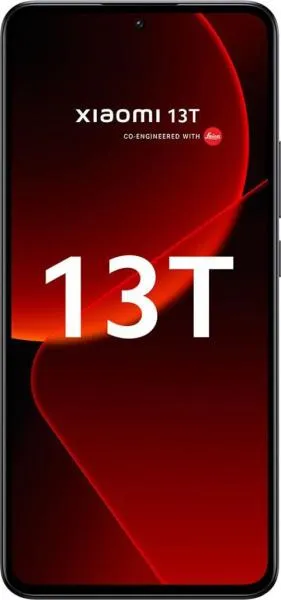
1. Specifications Comparison
| Feature | Xiaomi 13T | Phone 8 | Practical Impact |
|---|---|---|---|
| Design | |||
| Dimensions | 162.2 x 75.7 x 8.5 mm | 162 x 75.1 x 8.7 mm | Virtually identical in size and hand feel. Phone 8 is slightly thicker. |
| Weight | 193g | 191g | Negligible weight difference in real-world usage. |
| Display | |||
| Size | 6.67" | 6.78" | Phone 8 offers a slightly larger display for more immersive content consumption. |
| Type | AMOLED, 68B colors, 144Hz | LTPO AMOLED, 1B colors, 120Hz | Both offer vibrant displays. Xiaomi 13T's 144Hz offers smoother scrolling and animations, but Phone 8's LTPO panel allows for dynamic refresh rate adjustment, potentially saving battery. The difference in color depth (68B vs 1B) is unlikely to be noticeable in everyday use. |
| Peak Brightness | 2600 nits | 6000 nits | Phone 8 boasts significantly higher peak brightness, ensuring excellent outdoor visibility even in direct sunlight. |
| Resolution | 1220 x 2712 | 1264 x 2780 | Both offer sharp, detailed visuals. Phone 8's slightly higher resolution might provide a marginal improvement in clarity. |
| Performance | |||
| Chipset | Mediatek Dimensity 8200 Ultra | Qualcomm Snapdragon 7+ Gen 3 | Both are powerful mid-range chipsets. Benchmarking comparisons are needed to determine real-world performance differences. |
| CPU | Octa-core (1x3.1 GHz Cortex-A78 & 3x3.0 GHz Cortex-A78 & 4x2.0 GHz Cortex-A55) | Octa-core (1x2.8 GHz Cortex-X4 & 4x2.6 GHz Cortex-A720 & 3x1.9 GHz Cortex-A520) | Different CPU architectures make direct comparison difficult without benchmarks. |
| GPU | Mali-G610 MC6 | Adreno 732 | Different GPUs. Gaming performance comparisons are needed. |
| RAM | 12GB | 12GB | Both offer ample RAM for multitasking and smooth performance. |
| Storage | 256GB | 512GB | Phone 8 offers double the storage, beneficial for users who store large files or install many apps. |
| Battery | |||
| Capacity | 5000 mAh | 5500 mAh | Phone 8's larger battery likely translates to longer battery life. Real-world usage will vary. |
| Camera | |||
| Video Capabilities | 4K@30fps (HDR, EIS), 1080p at various fps (HDR, EIS) | 4K@30/60fps (OIS, EIS), 1080p at various fps (OIS, EIS) | Phone 8 adds optical image stabilization (OIS) for potentially smoother video recording. Both offer a wide range of recording options. No information on specific camera sensors or lens configurations makes detailed comparison impossible. |
| Other | |||
| OS | Android 13 | Android 14 | Phone 8 ships with the latest Android version offering potential feature and security advantages. Xiaomi will likely update to Android 14. |
2. Key Differences Analysis
Xiaomi 13T Advantages:
- Higher Refresh Rate Display: Smoother animations and scrolling.
- Potentially Lower Price: Depending on market pricing.
Phone 8 Advantages:
- Brighter Display: Superior outdoor visibility.
- Larger Battery: Potentially longer battery life.
- More Storage: More space for apps and files.
- Optical Image Stabilization (OIS): Smoother video recording.
- Newer Android Version: Latest features and security updates.
3. User Profiles & Recommendations
Xiaomi 13T: Users prioritizing a smooth display experience and potentially seeking a more affordable option. Suitable for gamers who value high refresh rates.
Phone 8: Users who prioritize battery life, bright outdoor visibility, ample storage, and the latest software. Suitable for content consumers, photographers, and videographers.
4. Decision Framework
Key Questions:
- What is your budget?
- How important is display smoothness vs. brightness and battery life?
- Do you prioritize having the latest software and features?
Scenario-Based Recommendations:
- Budget-conscious gamer: Xiaomi 13T
- Power user needing long battery life and ample storage: Phone 8
- User prioritizing the latest features and outdoor visibility: Phone 8
My Choice: Phone 8
While the Xiaomi 13T offers a higher refresh rate display, the Phone 8's advantages in brightness, battery life, storage, camera stabilization (OIS), and newer Android version make it a more compelling overall package for my needs. The significantly brighter display is a crucial factor for outdoor usage, and the larger battery offers peace of mind. While I appreciate the smoother scrolling of 144Hz, the LTPO display in Phone 8 might offer a better balance between smoothness and battery life. The added storage and OIS are valuable bonuses. Ultimately, I value the practical benefits of the Phone 8 over the marginal advantage of a higher refresh rate display.
