1. Specifications Comparison
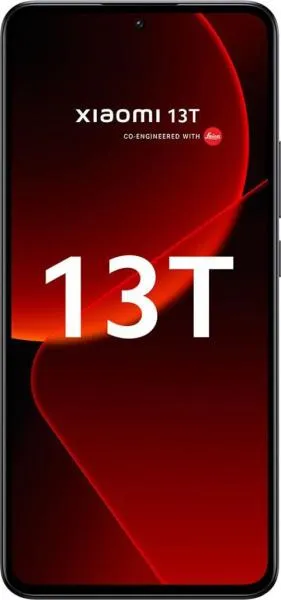
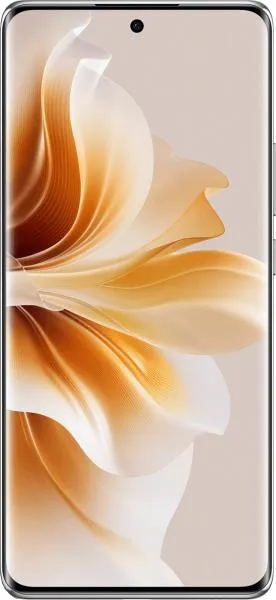
| Feature | Xiaomi 13T | Oppo Reno11 | Practical Impact |
|---|---|---|---|
| Design | |||
| Dimensions | 162.2 x 75.7 x 8.5 mm | 162.4 x 74.3 x 7.9 mm | Virtually identical in size, though the Reno11 is slightly thinner. Negligible difference in hand feel. |
| Weight | 193g | 182g | The Reno11 is noticeably lighter, reducing hand fatigue during extended use. |
| Display | |||
| Size | 6.67" | 6.7" | Negligible size difference. |
| Type | AMOLED, 68B colors, 144Hz | AMOLED, 1B colors, 120Hz | Both are AMOLED, but the 13T's 68B colors offer significantly richer and more accurate color reproduction. The 144Hz refresh rate on the 13T results in smoother animations and scrolling compared to the 120Hz on the Reno11, especially noticeable in gaming and fast-paced content. |
| Resolution | 1220 x 2712 | 1080 x 2412 | The 13T has a sharper display due to its higher resolution, resulting in clearer text and images. |
| Peak Brightness | 2600 nits | 950 nits | The 13T's significantly higher peak brightness ensures excellent outdoor visibility even in direct sunlight, while the Reno11 might struggle. |
| Performance | |||
| Chipset | Mediatek Dimensity 8200 Ultra (4 nm) | Mediatek Dimensity 7050 (6 nm) | The 8200 Ultra in the 13T is a more powerful chipset, offering better performance in demanding tasks like gaming and multitasking. The 4nm process also suggests better power efficiency. |
| CPU | Octa-core (1x3.1 GHz Cortex-A78 & 3x3.0 GHz Cortex-A78 & 4x2.0 GHz Cortex-A55) | Octa-core (2x2.6 GHz Cortex-A78 & 6x2.0 GHz Cortex-A55) | The 13T has a higher clocked prime core, resulting in faster single-core performance. |
| GPU | Mali-G610 MC6 | Mali-G68 MC4 | While the Reno11 uses a newer generation GPU, the specific configuration (MC4 vs. likely MC6 on the 13T based on similar chipsets) suggests the 13T likely has a performance advantage in graphics-intensive applications. |
| RAM | 12GB | 12GB | Both phones offer ample RAM for smooth multitasking. |
| Storage | 256GB | 256GB | Both phones offer the same storage capacity. |
| Battery | |||
| Capacity | 5000 mAh | 5000 mAh | Identical battery capacities suggest similar potential battery life, though actual usage will depend on other factors like the display and chipset. |
| Camera | |||
| Video Capabilities | 4K@30fps (HDR, EIS), ... | 4K@30fps (EIS), 1080p@480fps (EIS), 720p@960fps (EIS) | Both offer 4K recording, but the 13T boasts HDR video recording for better dynamic range. The Reno11 offers higher slow-motion frame rates. Missing details about specific camera sensors prevent a full comparison. |
2. Key Differences Analysis
Xiaomi 13T Advantages:
- Superior Display: Higher resolution, refresh rate, color depth, and peak brightness provide a significantly better visual experience.
- More Powerful Performance: The Dimensity 8200 Ultra offers a noticeable performance advantage for demanding tasks and gaming.
- HDR Video Recording: Captures videos with wider dynamic range.
Oppo Reno11 Advantages:
- Lighter Weight: More comfortable for extended use.
- Higher Slow-Motion Frame Rates: Offers more creative options for video recording.
- Newer Android Version: Ships with Android 14, potentially offering newer features and longer software support, though the 13T will likely receive an update to Android 14.
3. User Profiles & Recommendations
Xiaomi 13T: Ideal for users who prioritize performance, a vibrant and smooth display, and excellent outdoor visibility. Suitable for gamers, content creators, and power users.
Oppo Reno11: Suitable for users who prioritize a lightweight phone, value slow-motion video recording, and prefer the latest Android version out-of-the-box. A good option for casual users and those focused on content consumption.
4. Decision Framework
Key Questions for Buyers:
- Is display quality a top priority? If yes, the 13T's superior display is a significant advantage.
- Do you need the best possible performance? The 13T's Dimensity 8200 Ultra provides a significant performance edge.
- How important is phone weight and software updates? The Reno11 is lighter and comes with a newer Android version.
My Choice: Xiaomi 13T
The Xiaomi 13T offers a compelling combination of a stunning display, powerful performance, and features like HDR video recording. While the Reno11 is lighter and has a newer Android version out-of-the-box (which the 13T will likely receive an update for), the 13T's advantages in display quality and performance are significant factors for me. I prioritize a smooth and vibrant visual experience and prefer a phone that can handle demanding tasks without lag. The slightly heavier weight is a minor trade-off for the superior overall package. The brighter screen is crucial for outdoor usage, a key factor in my daily usage.
