1. Specifications Comparison
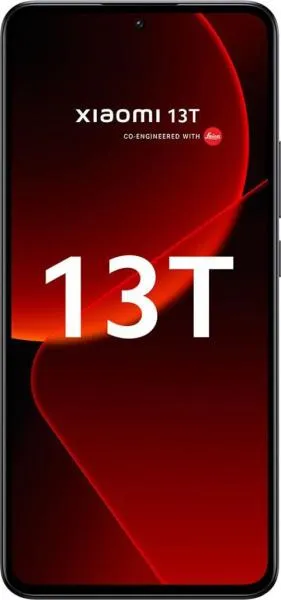
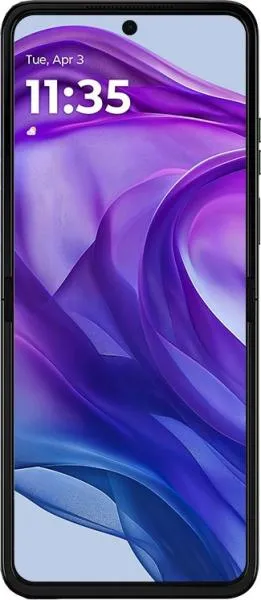
| Feature | Xiaomi 13T | Motorola Razr 50 Ultra | Practical Impact |
|---|---|---|---|
| Design | |||
| Dimensions | 162.2 x 75.7 x 8.5 mm | 171.4 x 74 x 7.1 mm (Unfolded) | Razr 50 Ultra is significantly more compact when folded, enhancing portability. However, it's taller and slightly narrower when unfolded. |
| Weight | 193g | 189g | Negligible weight difference in practical usage. |
| Foldable | No | Yes | Razr's foldable design offers unique portability and a smaller external display for quick interactions. |
| Display | |||
| Size | 6.67" | 6.9" (Main), ~3.6" (External) | Larger main display on Razr, but Xiaomi offers a more conventional, uninterrupted screen experience. External display adds functionality. |
| Type | AMOLED, 144Hz | Foldable LTPO AMOLED, 165Hz | Both offer excellent color and contrast. Razr's higher refresh rate may provide smoother animations but consumes more battery. |
| Resolution | 1220 x 2712 | 1080 x 2640 | Xiaomi has a sharper display due to higher pixel density. |
| Peak Brightness | 2600 nits | 3000 nits | Razr offers slightly better visibility in direct sunlight. |
| Performance | |||
| Chipset | Mediatek Dimensity 8200 Ultra | Qualcomm Snapdragon 8+ Gen 1 | Snapdragon 8+ Gen 1 generally offers better performance, especially in graphics-intensive tasks. |
| CPU | Octa-core (1x3.1 GHz Cortex-A78...) | Octa-core (1x3.0 GHz Cortex-X4...) | Both CPUs provide excellent performance for everyday tasks and demanding apps. Subtle core architecture differences may impact efficiency. |
| GPU | Mali-G610 MC6 | Adreno 735 | Adreno 735 provides a significant advantage in gaming and other GPU-intensive tasks. |
| RAM | 12GB | 12GB | Both phones offer ample RAM for multitasking. |
| Storage | 256GB | 256GB | Identical storage capacity. |
| Battery | |||
| Capacity | 5000 mAh | 3800 mAh | Xiaomi offers significantly longer battery life. |
2. Key Differences Analysis
Xiaomi 13T Advantages:
- Longer Battery Life: The significantly larger battery capacity translates to considerably longer usage time.
- Sharper Display: Higher resolution results in a crisper viewing experience.
- Potentially Lower Price: While both are in the "medium price" range, Xiaomi devices often offer aggressive pricing.
Motorola Razr 50 Ultra Advantages:
- Unique Form Factor: The foldable design provides unmatched portability and a distinct aesthetic.
- More Powerful GPU: Adreno 735 offers a superior gaming and graphics experience.
- External Display: Allows for quick checks and interactions without unfolding the phone.
3. User Profiles & Recommendations
Xiaomi 13T: Ideal for users who prioritize battery life, a large, uninterrupted display, and value. Best for:
- Power users who need all-day battery life.
- Media consumption (movies, videos).
- Users seeking a traditional smartphone experience.
Motorola Razr 50 Ultra: Ideal for users who value portability, innovation, and a powerful device in a compact form. Best for:
- Users who prioritize pocketability and style.
- Multitaskers who utilize the external display.
- Early adopters who appreciate cutting-edge technology.
4. Decision Framework
Key Questions:
- How important is battery life? If all-day battery is crucial, the Xiaomi 13T is the clear winner.
- Do you value portability and a unique design above all else? If so, the foldable Razr 50 Ultra is the more compelling option.
- What is your budget and how important is raw performance? The Razr 50 Ultra likely commands a premium for its foldable design and superior GPU.
My Choice: Xiaomi 13T
While the Razr 50 Ultra is undeniably innovative, the Xiaomi 13T better suits my needs. I prioritize battery life above all else, and the 5000mAh capacity is a significant advantage. The sharper display is also appealing for media consumption. While I appreciate the Razr's portability, the compromises in battery life and potential price premium make the Xiaomi 13T a more practical choice for my usage. The superior GPU of the Razr is less important to me than all-day battery and a large, high-resolution screen. The foldable form factor, while intriguing, doesn't outweigh the benefits of the 13T in my personal use case.
