1. Specifications Comparison
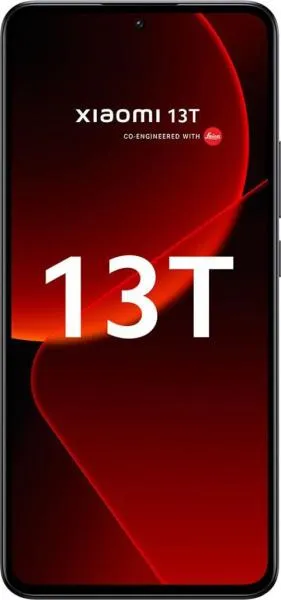
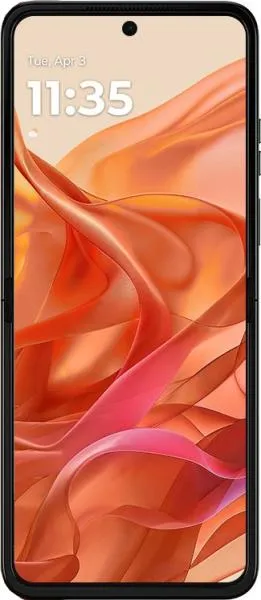
| Feature | Xiaomi 13T | Motorola Razr 50 | Practical Impact |
|---|---|---|---|
| Design | |||
| Dimensions | 162.2 x 75.7 x 8.5 mm | 171.3 x 74 x 7.3mm (Unfolded) | Razr 50 is thinner when unfolded but significantly wider and taller due to its foldable design. Xiaomi 13T offers a more traditional, pocketable form factor. |
| Weight | 193g | 188.4g | Negligible weight difference in practical use. |
| Foldable | No | Yes | Razr 50's foldable design offers a compact carrying size and a larger screen when unfolded, potentially sacrificing durability and introducing a crease. |
| Display | |||
| Size | 6.67" | 6.9" | Razr 50 offers a slightly larger display area. |
| Type | AMOLED, 144Hz | Foldable LTPO AMOLED, 120Hz | Xiaomi 13T's higher refresh rate provides smoother animations and scrolling. Razr 50 utilizes LTPO for potentially better power efficiency. |
| Resolution | 1220 x 2712 | 1080 x 2640 | Xiaomi 13T has a sharper display due to higher resolution. |
| Peak Brightness | 2600 nits | 3000 nits | Razr 50 might be slightly more readable in direct sunlight. |
| Color Depth | 68B | 1B (Likely a typo - should probably be 10B) | Xiaomi 13T offers a wider color gamut, resulting in more vibrant and accurate colors. |
| Performance | |||
| Chipset | Mediatek Dimensity 8200 Ultra | Mediatek Dimensity 7300X | Dimensity 8200 Ultra in the Xiaomi 13T offers significantly better performance in demanding tasks and gaming. |
| CPU | Octa-core (1x3.1 GHz Cortex-A78 & 3x3.0 GHz Cortex-A78 & 4x2.0 GHz Cortex-A55) | Octa-core (4x2.5 GHz Cortex-A78 & 4x2.0 GHz Cortex-A55) | Xiaomi 13T's CPU configuration suggests superior processing power compared to Razr 50. |
| GPU | Mali-G610 MC6 | Mali-G615 MC2 | Xiaomi 13T likely offers better graphics performance. |
| RAM | 12GB | 12GB | Both phones offer ample RAM for multitasking. |
| Storage | 256GB | 512GB | Razr 50 offers double the storage capacity. |
| Battery | |||
| Capacity | 5000 mAh | 4200 mAh | Xiaomi 13T has a significantly larger battery, likely resulting in longer battery life. |
| Camera | Not enough information provided to compare | Not enough information provided to compare | N/A |
2. Key Differences Analysis
Xiaomi 13T Advantages:
- Superior Performance: The Dimensity 8200 Ultra significantly outperforms the Dimensity 7300X, resulting in smoother gaming, faster app loading, and better multitasking.
- Sharper Display: Higher resolution and pixel density lead to a crisper viewing experience.
- Higher Refresh Rate: 144Hz provides smoother scrolling and animations compared to 120Hz.
- Larger Battery: Potentially significantly longer battery life.
- Wider Color Gamut: More vibrant and accurate color representation.
Motorola Razr 50 Advantages:
- Foldable Design: Offers a compact form factor when folded and a large screen when unfolded.
- Higher Peak Brightness: Slightly better visibility in direct sunlight.
- Larger Storage: Double the storage capacity of the Xiaomi 13T.
3. User Profiles & Recommendations
Xiaomi 13T: Ideal for users who prioritize performance, battery life, and a smooth display experience. Suitable for gamers, power users, and those who consume a lot of media.
Motorola Razr 50: Ideal for users who prioritize portability and novelty of a foldable design and value a large screen despite the crease. Best for users who value compact size and are willing to compromise on performance and battery life for it.
4. Decision Framework
Key Questions for Buyers:
- Is a foldable design a priority? If yes, the Razr 50 is the only option.
- How important is performance and battery life? If crucial, the Xiaomi 13T is the better choice.
- What is your budget and storage requirement? Both are mid-range, but the Razr 50 offers more storage.
My Choice: Xiaomi 13T
While the foldable design of the Razr 50 is intriguing, the Xiaomi 13T's superior performance, battery life, sharper display, and higher refresh rate are more important to me. The significant difference in processing power and battery capacity would heavily influence my daily usage experience. I prioritize a smooth and responsive user experience over the novelty of a foldable phone, and the Xiaomi 13T delivers that in spades. The larger storage on the Razr 50 is appealing, but cloud storage solutions can mitigate that difference. The potential trade-offs in durability and the crease on a foldable screen further solidify my preference for the Xiaomi 13T.
