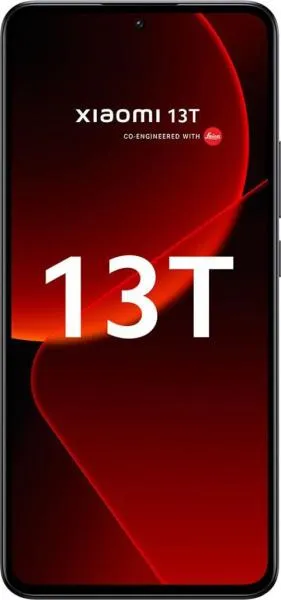
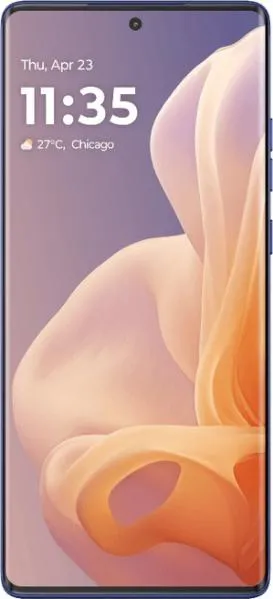
1. Specifications Comparison
| Feature | Xiaomi 13T | Motorola Moto G85 | Practical Impact |
|---|---|---|---|
| Design | |||
| Dimensions | 162.2 x 75.7 x 8.5 mm | 161.9 x 73.1 x 7.6 mm | Moto G85 is slightly smaller and thinner, potentially improving one-handed use. |
| Weight | 193g | 171g | Moto G85 is noticeably lighter, reducing hand fatigue during extended use. |
| Build Materials | Not specified | Not specified | Cannot compare build quality and durability. |
| Display | |||
| Display Size | 6.67" | 6.67" | Same size displays. |
| Display Type | AMOLED, 68B colors | P-OLED, 1B colors | Xiaomi 13T's AMOLED with higher color depth will offer significantly richer and more vibrant visuals. |
| Resolution | 1220 x 2712 | 1080 x 2400 | Xiaomi 13T boasts a sharper display with higher pixel density (446 ppi vs 395 ppi), resulting in crisper text and images. |
| Refresh Rate | 144Hz | 120Hz | Xiaomi 13T offers a smoother experience, especially noticeable in fast-paced gaming and scrolling. |
| Peak Brightness | 2600 nits | 1600 nits | Xiaomi 13T will be significantly more visible in direct sunlight. |
| Performance | |||
| Chipset | Mediatek Dimensity 8200 Ultra (4 nm) | Qualcomm Snapdragon 6s Gen 3 (6 nm) | Xiaomi 13T's Dimensity 8200 Ultra is a more powerful chipset, enabling smoother multitasking and better gaming performance. |
| CPU | Octa-core (1x3.1 GHz Cortex-A78 & 3x3.0 GHz Cortex-A78 & 4x2.0 GHz Cortex-A55) | Octa-core (2x2.3 GHz Cortex-A78 & 6x2.0 GHz Cortex-A55) | Xiaomi 13T has a higher clocked prime core, leading to faster single-core performance. |
| GPU | Mali-G610 MC6 | Adreno 619 | Xiaomi 13T likely has a more powerful GPU, beneficial for demanding games and graphic-intensive tasks; however, concrete benchmarks are needed for definitive comparison. |
| RAM | 12GB | 12GB | Both phones have ample RAM for multitasking. |
| Storage | 256GB | 256GB | Both phones offer the same storage capacity. |
| Camera | |||
| Rear Camera | Not specified | Not specified | Camera quality cannot be compared without detailed specifications. |
| Video Capabilities | 4K@30fps (HDR, EIS), 1080p various fps (HDR, EIS) | 1080p@30/60fps | Xiaomi 13T offers superior video recording capabilities with 4K resolution and HDR support. |
| Battery | |||
| Capacity | 5000 mAh | 5000 mAh | Similar battery capacity, expected similar battery life, though actual usage will depend on software optimization and user habits. |
| Charging Speed | Not specified | Not specified | Charging speeds cannot be compared. |
2. Key Differences Analysis
Xiaomi 13T Advantages:
- Superior Display: Brighter, sharper, and smoother display with more vibrant colors.
- More Powerful Performance: Faster processor and likely more powerful GPU for smoother performance in demanding tasks and games.
- Better Video Recording: 4K recording with HDR and EIS.
Motorola Moto G85 Advantages:
- Lighter and Slightly Smaller: More comfortable for one-handed use and extended holding.
- Newer Android Version: Ships with Android 14, potentially offering newer features and longer software support.
3. User Profiles & Recommendations
Xiaomi 13T: Ideal for users who prioritize display quality, performance, and multimedia consumption (gaming, video recording/watching).
Motorola Moto G85: Suitable for users who prefer a lighter, more compact phone and value a newer Android version out of the box. Good for everyday tasks like browsing, social media, and communication.
4. Decision Framework
Key Questions for Buyers:
- Is display quality and performance a top priority? If yes, the Xiaomi 13T is the clear winner.
- Is phone size and weight a major concern? If a lighter and smaller phone is preferred, the Moto G85 is a better option.
- How important is having the latest Android version? While updates for the Xiaomi 13T are likely, the Moto G85 ships with the newer version.
My Choice: Xiaomi 13T
While the Moto G85 offers a lighter and more compact design, the Xiaomi 13T's significant advantages in display quality, performance, and video recording capabilities are more compelling to me. I prioritize a smooth and immersive user experience, especially for multimedia consumption and gaming, which the 13T's superior hardware delivers. The slightly larger size and weight are a trade-off I'm willing to make for the significant gains in other areas. The lack of camera specifics makes a complete judgement impossible, but based on the provided information, the Xiaomi 13T offers a more compelling overall package.
