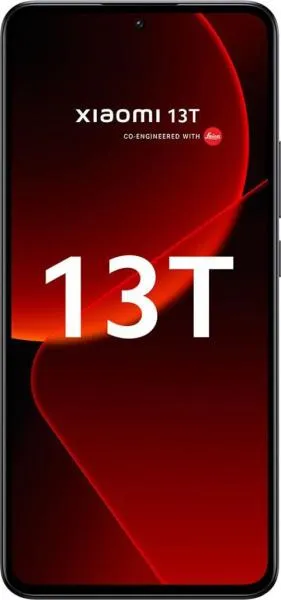
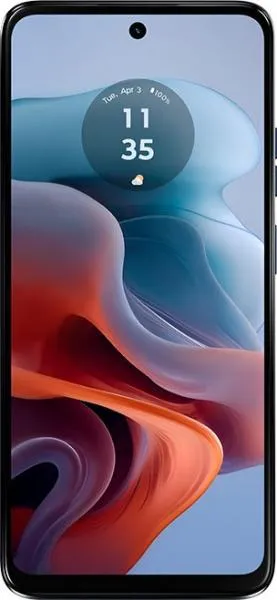
1. Specifications Comparison
| Feature | Xiaomi 13T | Motorola Moto G34 | Practical Impact |
|---|---|---|---|
| Design | |||
| Dimensions | 162.2 x 75.7 x 8.5 mm | 162.7 x 74.6 x 8 mm | Virtually identical in size and feel. |
| Weight | 193g | 179g | Xiaomi 13T is noticeably heavier. |
| Build Materials | Not specified | Not specified | Build quality and durability are unknown for both devices without further information. |
| Display | |||
| Display Type | AMOLED, 68B colors, 144Hz | IPS LCD, 120Hz | Xiaomi 13T offers significantly better contrast, wider color gamut, and smoother scrolling thanks to AMOLED and higher refresh rate. Moto G34's LCD may appear washed out in comparison. |
| Resolution | 1220 x 2712 | 720 x 1600 | Much sharper and more detailed visuals on the Xiaomi 13T due to higher resolution. Moto G34's display will appear noticeably pixelated, especially when viewing text or images. |
| Peak Brightness | 2600 nits | Not specified | Xiaomi 13T will offer superior outdoor visibility in bright sunlight. Impact on Moto G34 unknown due to missing data. |
| Performance | |||
| Chipset | Mediatek Dimensity 8200 Ultra (4nm) | Qualcomm Snapdragon 695 (6nm) | Xiaomi 13T boasts a significantly more powerful processor, resulting in faster app loading, smoother multitasking, and better gaming performance. |
| CPU | Octa-core (1x3.1 GHz & 3x3.0 GHz & 4x2.0 GHz) | Octa-core (2x2.2 GHz & 6x1.7 GHz) | The higher clock speeds on the Xiaomi 13T's CPU cores translate to faster processing power. |
| GPU | Mali-G610 MC6 | Adreno 619 | Xiaomi 13T offers superior graphics performance, enabling smoother gameplay and faster rendering in demanding applications. |
| RAM | 12GB | 4GB/8GB | Xiaomi 13T offers significantly more RAM, allowing for more apps to run in the background and better multitasking performance. Moto G34's 4GB option may lead to more frequent app reloading. |
| Storage | 256GB | 128GB | Xiaomi 13T offers double the storage. |
| Camera | Not specified | Not specified | Camera performance comparison is impossible without detailed sensor and feature specifications. |
| Battery | |||
| Capacity | 5000 mAh | 5000 mAh | Similar battery capacity suggests potentially comparable battery life, however, real-world usage will vary depending on software optimization and user habits. |
2. Key Differences Analysis
Xiaomi 13T Advantages:
- Significantly superior display: AMOLED technology, higher resolution, refresh rate, and peak brightness deliver a dramatically better visual experience.
- Much more powerful performance: Dimensity 8200 Ultra chipset, coupled with 12GB RAM, provides a substantially faster and smoother user experience across all tasks.
- Double the storage: 256GB offers ample space for apps, photos, and videos.
Motorola Moto G34 Advantages:
- Lighter: Easier to hold and carry for extended periods.
- Potentially more affordable: While both are mid-range, the Moto G34, with lower specs, is likely priced lower.
Trade-offs:
- Xiaomi 13T: Heavier weight. Potentially higher price.
- Motorola Moto G34: Significantly inferior display and performance. Limited RAM and storage in some configurations.
3. User Profiles & Recommendations
Xiaomi 13T: Ideal for users who prioritize performance, a high-quality display, and ample storage. Suitable for demanding tasks like gaming, video editing, and multitasking.
Motorola Moto G34: Best suited for budget-conscious users who prioritize basic functionality and long battery life. Suitable for light tasks like web browsing, social media, and communication.
4. Decision Framework
Key Questions for Buyers:
- What is your budget?
- What are your primary use cases for a smartphone?
- How important is display quality and performance to you?
Scenario-Based Recommendations:
- Gamer/Power User: Xiaomi 13T
- Budget-conscious user with basic needs: Motorola Moto G34
- User prioritizing media consumption: Xiaomi 13T
My Choice: Xiaomi 13T
The Xiaomi 13T's superior display and significantly more powerful performance are decisive factors for me. While heavier and potentially more expensive, the dramatically improved user experience in everyday tasks, media consumption, and gaming outweighs those downsides. The Moto G34's compromises on display and performance would be too significant a trade-off for me personally. I prioritize a smooth and responsive user experience and a high-quality display, making the Xiaomi 13T the clear winner in this comparison.
