1. Specifications Comparison
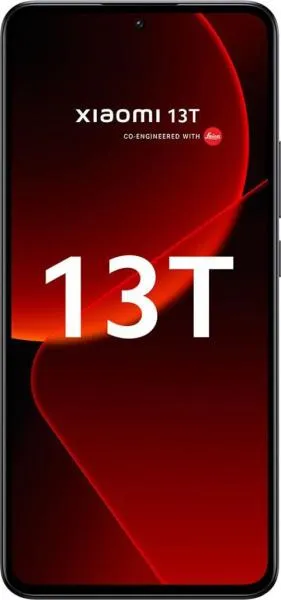
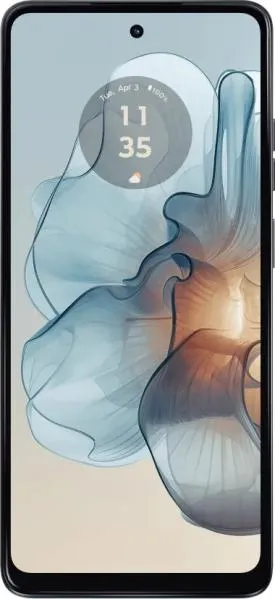
| Feature | Xiaomi 13T | Motorola Moto G24 Power | Practical Impact |
|---|---|---|---|
| Design | |||
| Dimensions (mm) | 162.2 x 75.7 x 8.5 | 163.5 x 74.5 x 9.0 | Xiaomi 13T is slightly smaller and thinner. |
| Weight (g) | 193 | 197 | Negligible weight difference. |
| Fingerprint Sensor | Under Display | Side-mounted | Preference-based; under-display is often perceived as more modern. |
| Display | |||
| Display Type | AMOLED, 68B colors | IPS LCD | Xiaomi 13T offers significantly better contrast, color accuracy, and viewing angles due to AMOLED technology. |
| Size (inches) | 6.67 | 6.56 | Negligible size difference. |
| Resolution | 1220 x 2712 | 720 x 1612 | Xiaomi 13T has a much sharper display (446 ppi vs 269 ppi), resulting in clearer text and images. |
| Refresh Rate (Hz) | 144 | 90 | Xiaomi 13T provides a smoother user experience, especially noticeable in gaming and scrolling. |
| Peak Brightness (nits) | 2600 | 537 | Xiaomi 13T will be far more visible in direct sunlight. |
| Performance | |||
| Chipset | Mediatek Dimensity 8200 Ultra (4 nm) | Mediatek Helio G85 (12 nm) | Xiaomi 13T offers significantly better performance and efficiency due to a more powerful and modern chipset. |
| CPU | Octa-core (1x3.1 GHz Cortex-A78 & 3x3.0 GHz Cortex-A78 & 4x2.0 GHz Cortex-A55) | Octa-core (2x2.0 GHz Cortex-A75 & 6x1.7 GHz Cortex-A55) | Xiaomi 13T has a more powerful CPU architecture, leading to faster app loading, multitasking, and overall responsiveness. |
| GPU | Mali-G610 MC6 | Mali-G52 MC2 | Xiaomi 13T boasts superior graphics performance, beneficial for demanding games and graphic-intensive applications. |
| RAM | 12GB | 8GB | More RAM in the Xiaomi 13T allows for smoother multitasking and handling more demanding applications. |
| Storage | 256GB | 128GB | Double the storage on the Xiaomi 13T allows for storing more apps, photos, and videos. |
| Camera | |||
| Video Capabilities | 4K@30fps (HDR, EIS), 1080p@various fps (HDR, EIS) | 1080p@30fps | Xiaomi 13T offers higher resolution video recording (4K) and electronic image stabilization (EIS) for smoother footage at various frame rates. Detailed camera specifications are missing for comparison. |
| Battery | |||
| Capacity (mAh) | 5000 | 6000 | Moto G24 Power boasts a larger battery capacity, potentially resulting in longer battery life. However, real-world usage will depend on other factors like display and chipset efficiency. |
2. Key Differences Analysis
Xiaomi 13T Advantages:
- Significantly superior display: AMOLED with higher resolution, refresh rate, and peak brightness.
- Much faster performance: More powerful chipset, CPU, and GPU.
- More RAM and Storage: Enables smoother multitasking and ample space for files.
- Superior video recording capabilities: 4K recording with EIS.
Motorola Moto G24 Power Advantages:
- Larger battery capacity: Potentially longer battery life.
- Lower price: Positioned in the "low price" range.
Trade-offs:
- Moto G24 Power: Sacrifices performance, display quality, and features for a larger battery and lower price.
- Xiaomi 13T: Potentially shorter battery life compared to the Moto G24 Power, but offers a vastly superior user experience in almost every other aspect.
3. User Profiles & Recommendations
Xiaomi 13T: Users who prioritize performance, a high-quality display, and smooth user experience. Ideal for gamers, content creators, and power users.
Motorola Moto G24 Power: Users who prioritize battery life above all else and are on a tight budget. Suitable for basic tasks like calling, texting, and browsing. Less demanding users who primarily value long battery life for extended use without charging.
4. Decision Framework
Key Questions for Buyers:
- What is your budget? The Moto G24 Power is significantly cheaper.
- What are your primary smartphone usage patterns? (Gaming, content consumption, basic communication)
- How important is battery life compared to performance and display quality?
Scenario-Based Recommendations:
- Heavy user, gamer, or content creator: Xiaomi 13T
- Budget-conscious user with basic needs: Moto G24 Power
- User prioritizing long battery life for extended use without charging: Moto G24 Power
My Choice: Xiaomi 13T
While the Moto G24 Power offers impressive battery life, the Xiaomi 13T provides a vastly superior overall user experience. The significantly better display, much faster performance, and larger storage make it a more compelling device for my needs. I prioritize a smooth and responsive experience, a high-quality display for media consumption, and ample performance for demanding tasks. I am willing to compromise slightly on battery life for these benefits, especially considering the advancements in fast charging technologies. The difference in price is justified by the significant jump in quality and features.
