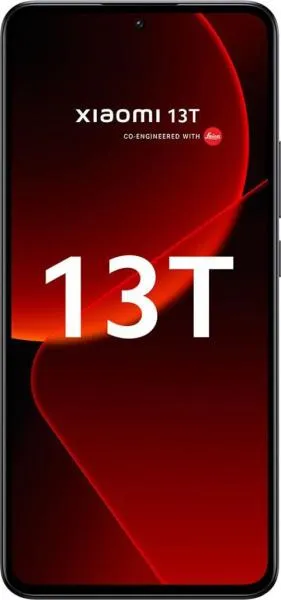
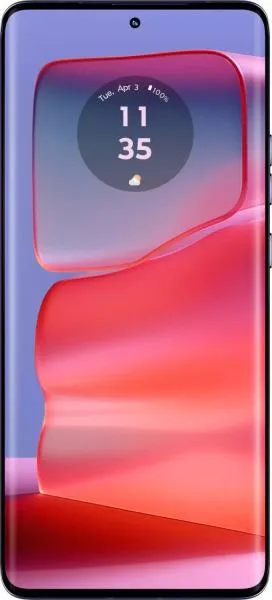
1. Specifications Comparison
| Feature | Xiaomi 13T | Motorola Edge 50 Pro | Practical Impact |
|---|---|---|---|
| Design | |||
| Dimensions | 162.2 x 75.7 x 8.5 mm | 161.2 x 72.4 x 8.2 mm | Motorola is slightly smaller and thinner, potentially offering a better hand feel. |
| Weight | 193g | 186g | Motorola is noticeably lighter, reducing hand fatigue during extended use. |
| Colors | Black, Green, Blue | Vanilla Cream, Luxe Lavender, Black Beauty, Moonlight Pearl | Motorola offers a wider variety of color options for greater personalization. |
| Display | |||
| Size | 6.67" | 6.7" | Negligible size difference. |
| Type | AMOLED, 68B colors | P-OLED, 1B colors | Both offer vibrant colors and deep blacks. The difference in color depth (68B vs 1B) is unlikely to be noticeable in real-world usage. |
| Refresh Rate | 144Hz | 144Hz | Both offer smooth scrolling and animations. |
| Peak Brightness | 2600 nits | 2000 nits | Xiaomi offers significantly higher peak brightness, ensuring better visibility in direct sunlight. |
| Performance | |||
| Chipset | Mediatek Dimensity 8200 Ultra | Qualcomm Snapdragon 7 Gen 3 | Both are powerful mid-range chipsets. Benchmarking comparisons would be needed to determine real-world performance differences. |
| CPU | Octa-core (1x3.1 GHz Cortex-A78 & 3x3.0 GHz Cortex-A78 & 4x2.0 GHz Cortex-A55) | Octa-core (1x2.63 GHz Cortex-A715 & 4x2.4 GHz Cortex-A715 & 3x1.8 GHz Cortex-A510) | Different core architectures make direct comparison difficult. Real-world performance will depend on optimization and specific tasks. |
| GPU | Mali-G610 MC6 | Adreno 720 | Different GPUs; performance comparison requires benchmarks and gaming tests. |
| RAM | 12GB | 12GB | Both offer ample RAM for multitasking. |
| Storage | 256GB | 256GB/512GB | Motorola offers a higher storage option for users needing more space. |
| Battery | |||
| Capacity | 5000 mAh | 4500 mAh | Xiaomi offers a larger battery, likely resulting in longer battery life. |
| Other | |||
| OS | Android 13 | Android 14 | Motorola ships with a newer Android version, potentially offering newer features and longer software support. |
| USB | USB Type-C 2.0, OTG | USB Type-C 3.1, OTG, DisplayPort 1.4 | Motorola offers faster data transfer and video output capabilities via USB-C 3.1 and DisplayPort. |
| Sensors | Accelerometer, gyro, proximity, compass, Fingerprint (under display), color spectrum | Accelerometer, gyro, proximity, compass, Fingerprint (under display) | Xiaomi includes a color spectrum sensor, which might contribute to more accurate display color calibration. The practical impact might be minimal for most users. |
2. Key Differences Analysis
Xiaomi 13T Advantages:
- Brighter Display: Significantly higher peak brightness improves outdoor visibility.
- Larger Battery: Potentially longer battery life.
Motorola Edge 50 Pro Advantages:
- Newer Android Version: Likely to receive longer software updates and potentially has newer features.
- Faster USB: Enables faster data transfer and DisplayPort functionality.
- More Storage Options: Offers a 512GB option for users who need more storage.
- Lighter and Slimmer: Improved ergonomics for comfortable one-handed use.
3. User Profiles & Recommendations
Xiaomi 13T: Ideal for users who prioritize battery life and outdoor visibility. Suitable for media consumption and gaming in bright environments.
Motorola Edge 50 Pro: Suitable for users who value a slim and lightweight design, latest software, and faster data transfer speeds. A good choice for those who prioritize future-proofing and might utilize the DisplayPort functionality.
4. Decision Framework
Key Questions for Buyers:
- How important is battery life and outdoor visibility?
- Do you prioritize the latest software and longer-term updates?
- How much storage do you need?
Scenario-Based Recommendations:
- Heavy outdoor use: Xiaomi 13T
- Latest features and long-term support: Motorola Edge 50 Pro
- Large storage needs: Motorola Edge 50 Pro
My Choice: Motorola Edge 50 Pro
While the Xiaomi 13T offers a brighter display and larger battery, I would choose the Motorola Edge 50 Pro. The newer Android version, ensuring longer software support and potentially new features, is a significant factor for me. The faster USB connectivity, including DisplayPort, offers greater flexibility. While the battery is smaller, the difference is not substantial enough to outweigh the other advantages. The lighter and slimmer design is also appealing for daily use. Ultimately, the Motorola Edge 50 Pro feels like a more future-proof device with a wider range of capabilities.
