1. Specifications Comparison
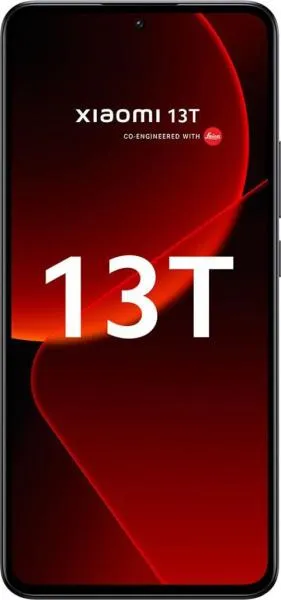
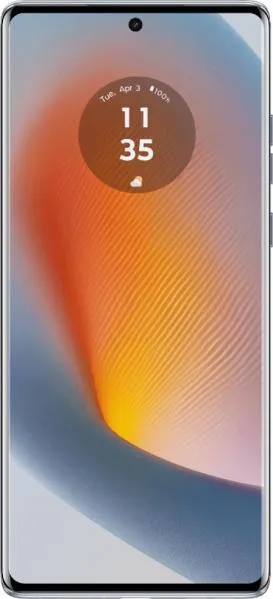
| Feature | Xiaomi 13T | Motorola Edge 50 Fusion | Practical Impact |
|---|---|---|---|
| Design | |||
| Dimensions (mm) | 162.2 x 75.7 x 8.5 | 161.9 x 73.1 x 7.9 | Motorola is slightly smaller and thinner, potentially improving one-handed use. |
| Weight (g) | 193 | 174.9 | Motorola is noticeably lighter, reducing hand fatigue during extended use. |
| Display | |||
| Size (inches) | 6.67 | 6.7 | Negligible size difference. |
| Type | AMOLED, 68B colors | P-OLED, 1B colors | Xiaomi's AMOLED with 68B colors likely offers richer, more nuanced visuals compared to Motorola's 1B color P-OLED. |
| Resolution | 1220 x 2712 | 1080 x 2400 | Xiaomi boasts a sharper display with higher pixel density (446 ppi vs 393 ppi), resulting in crisper text and images. |
| Refresh Rate (Hz) | 144 | 120/144 (Region Dependent) | Both offer high refresh rates for smooth scrolling and animations, though Xiaomi consistently offers 144Hz. The regional difference for the Motorola phone could impact user experience. |
| Peak Brightness (nits) | 2600 | 1600 | Xiaomi's significantly higher peak brightness ensures better visibility in direct sunlight. |
| Performance | |||
| Chipset | Mediatek Dimensity 8200 Ultra | Qualcomm Snapdragon 7s Gen 2 | Both are mid-range chipsets. Dimensity 8200 Ultra generally benchmarks higher in terms of raw performance. |
| CPU | Octa-core (1x3.1 GHz Cortex-A78 & 3x3.0 GHz Cortex-A78 & 4x2.0 GHz Cortex-A55) | Octa-core (4x2.40 GHz Cortex-A78 & 4x1.95 GHz Cortex-A55) | Xiaomi's CPU configuration suggests a potential advantage in demanding tasks due to the higher clocked prime core. |
| GPU | Mali-G610 MC6 | Adreno 710 | GPU performance differences require further benchmarking, but both should handle most modern games at reasonable settings. |
| RAM | 12GB | 8GB | Xiaomi offers more RAM, enabling better multitasking and smoother performance with memory-intensive applications. |
| Battery | |||
| Capacity (mAh) | 5000 | 5000 | Identical battery capacities suggest similar potential battery life, though real-world usage will vary. |
| Camera | |||
| Video Capabilities | 4K@30fps (HDR, EIS), 1080p@ various fps (HDR, EIS) | 4K@30fps (EIS), 1080p@ various fps (EIS) | Xiaomi offers HDR video recording at various resolutions, potentially resulting in improved dynamic range in videos. Detailed camera sensor specifications are missing for a comprehensive comparison. |
2. Key Differences Analysis
Xiaomi 13T Advantages:
- Superior Display: Higher resolution, brighter, and richer colors.
- More Powerful Performance: Faster CPU and more RAM.
- HDR Video Recording: Enhanced dynamic range in videos.
Motorola Edge 50 Fusion Advantages:
- Lighter and Slightly Smaller: Improved ergonomics and one-handed usability.
- Potentially More Affordable: Depending on regional pricing.
3. User Profiles & Recommendations
Xiaomi 13T: Ideal for users who prioritize display quality, performance, and multimedia consumption (gaming, video streaming).
Motorola Edge 50 Fusion: Suitable for users who value comfortable one-handed use, portability, and a potentially lower price point. Good for everyday tasks, social media, and casual gaming.
4. Decision Framework
Key Questions for Buyers:
- Is display quality a top priority? If yes, the Xiaomi 13T's superior display is a significant advantage.
- How important is performance for demanding tasks and gaming? The Xiaomi 13T offers a performance edge.
- What is your budget and how important is portability? The Motorola might be a better value if budget is tight and a lighter phone is preferred.
My Choice: Xiaomi 13T
While the Motorola Edge 50 Fusion offers a more comfortable form factor, the Xiaomi 13T's superior display, performance, and HDR video recording capabilities are decisive factors for me. I prioritize a smooth, visually engaging experience, and the 13T delivers in those areas. The extra RAM is also a valuable asset for future-proofing and ensuring smooth multitasking. The slightly higher weight is a trade-off I'm willing to make for the significant benefits in other areas.
