1. Specifications Comparison
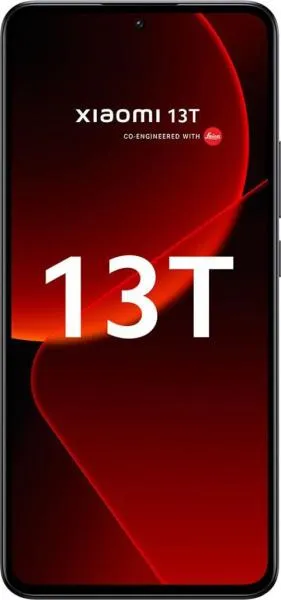
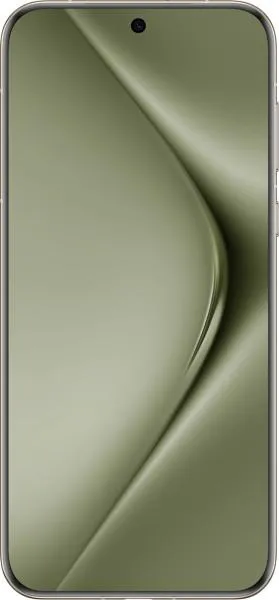
| Feature | Xiaomi 13T | Huawei Pura 70 Ultra | Practical Impact |
|---|---|---|---|
| Design | |||
| Dimensions (mm) | 162.2 x 75.7 x 8.5 | 162.6 x 75.1 x 8.4 | Virtually identical in size and feel. |
| Weight (g) | 193 | 226 | The Huawei is noticeably heavier (33g difference), potentially impacting one-handed use and comfort. |
| Display | |||
| Size (inches) | 6.67 | 6.8 | Negligible difference in screen real estate. |
| Type | AMOLED, 68B colors, 144Hz | LTPO OLED, 1B colors, 120Hz | Xiaomi offers smoother scrolling and animations with its 144Hz refresh rate and potentially more vibrant colors with its 68B color depth. Huawei's LTPO panel allows for dynamic refresh rate adjustment, potentially saving battery. |
| Resolution | 1220 x 2712 | 1260 x 2844 | Both offer sharp, detailed visuals; Huawei's slightly higher resolution is practically indistinguishable. |
| Peak Brightness (nits) | 2600 | 2500 | Xiaomi offers slightly higher peak brightness, improving outdoor visibility. |
| Performance | |||
| Chipset | Mediatek Dimensity 8200 Ultra (4nm) | Kirin 9010 (7nm) | Dimensity 8200 Ultra is likely more power-efficient due to the 4nm process. Performance comparison requires further benchmarking data, but the newer architecture of the 8200 Ultra likely gives it an edge. |
| CPU | Octa-core (1x3.1 GHz Cortex-A78 & 3x3.0 GHz Cortex-A78 & 4x2.0 GHz Cortex-A55) | Octa-core (1x2.3 GHz Taishan Big & 3x2.18 GHz Taishan Mid & 4x1.55 GHz Cortex-A510) | CPU architectures differ significantly; real-world performance comparison requires benchmarks. Xiaomi likely has a performance advantage based on core speeds. |
| GPU | Mali-G610 MC6 | 8 | Missing specific GPU model for Huawei makes direct comparison impossible. |
| RAM/Storage | 256GB/12GB | 1000GB/16GB | Huawei offers significantly more storage, beneficial for users storing large files. More RAM on the Huawei should improve multitasking and app loading speeds. |
| Battery | |||
| Capacity (mAh) | 5000 | 5200 | Huawei offers slightly larger battery capacity, potentially resulting in longer battery life. However, actual usage depends on various factors like display settings and processor efficiency. |
| Software | |||
| OS | Android 13 | Missing OS information for Huawei makes software comparison impossible. This is a significant gap in the provided data. | |
| Camera | |||
| Video Capabilities | 4K@30fps (HDR, EIS), 1080p various fps (HDR, EIS) | Missing video capability information for Huawei prevents comparison. |
2. Key Differences Analysis
Xiaomi 13T Advantages:
- Higher Refresh Rate Display: Smoother scrolling and more responsive gaming experience.
- Potentially Better Performance and Efficiency: More advanced and power-efficient chipset.
- Brighter Display: Enhanced outdoor visibility.
- Clear Software Information: Android 13 provides a known and widely supported platform.
Huawei Pura 70 Ultra Advantages:
- Larger Storage Capacity: Accommodates more apps, photos, and videos.
- More RAM: Improved multitasking performance.
- Slightly Larger Battery: Potential for longer battery life.
3. User Profiles & Recommendations
Xiaomi 13T: Suitable for users prioritizing a smooth display experience, performance, and a known software platform. Ideal for gamers, content consumers, and those seeking a good balance of features and price.
Huawei Pura 70 Ultra: Potentially suitable for users requiring vast storage space and excellent multitasking capabilities. Ideal for power users storing large files or running demanding applications. However, the lack of OS information is a major concern.
4. Decision Framework
Key Questions for Buyers:
- What is your budget? The Huawei is in a higher price range.
- What operating system do you prefer? Critical information missing for the Huawei.
- What are your primary use cases? (Gaming, photography, general use) Missing camera and detailed OS information limits specific recommendations.
My Choice: Xiaomi 13T
Reasoning: Given the available information, the Xiaomi 13T is the safer choice. It offers a compelling combination of performance, display quality, and a known software experience (Android 13). The Huawei Pura 70 Ultra boasts more storage and RAM, but the missing OS information is a critical deal-breaker. Without knowing the OS, its functionality, app ecosystem, and security are completely unknown. The potential benefits of the Huawei are overshadowed by this significant unknown. Furthermore, the Xiaomi's superior display refresh rate and likely better performance due to the newer chipset architecture make it a more compelling overall package. The heavier weight of the Huawei is also a negative factor. While the Huawei might offer advantages in specific areas, the lack of crucial information prevents a thorough assessment and makes it a risky purchase.
