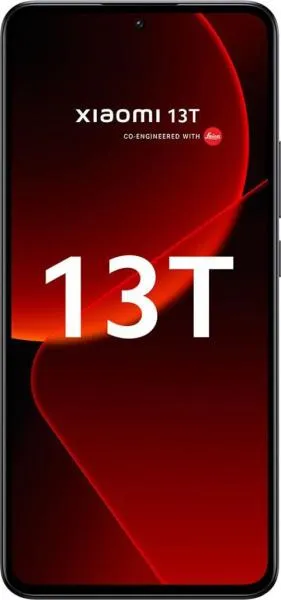
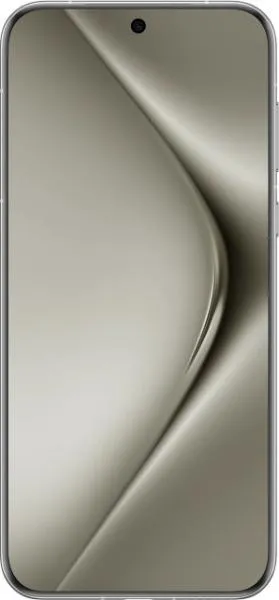
1. Specifications Comparison
| Feature | Xiaomi 13T | Huawei Pura 70 Pro | Practical Impact |
|---|---|---|---|
| Design | |||
| Dimensions (mm) | 162.2 x 75.7 x 8.5 | 162.6 x 75.1 x 8.4 | Virtually identical in size and feel. |
| Weight (g) | 193 | 220 | The Xiaomi is noticeably lighter, reducing hand fatigue during extended use. |
| Display | |||
| Size (inches) | 6.67 | 6.8 | The Huawei offers a slightly larger screen for more immersive content consumption. |
| Type | AMOLED, 144Hz | LTPO OLED, 120Hz | Both offer vibrant colors and deep blacks. The Xiaomi's 144Hz provides smoother animations and scrolling, while Huawei's LTPO panel allows for dynamic refresh rate adjustment to save battery. |
| Resolution | 1220 x 2712 | 1260 x 2844 | Both are sharp, but the Huawei has a slightly higher pixel density (460 vs 446 ppi), though the difference is negligible in real-world use. |
| Peak Brightness (nits) | 2600 | 2500 | Both are exceptionally bright, ensuring excellent outdoor visibility. Xiaomi's slightly higher peak brightness might be noticeable in direct sunlight. |
| Performance | |||
| Chipset | Mediatek Dimensity 8200 Ultra (4nm) | Kirin 9010 (7nm) | Difficult to compare directly without benchmarks. The 4nm process of the Dimensity 8200 Ultra suggests better power efficiency. The Kirin's architecture details are unclear, hindering a full comparison. |
| CPU | Octa-core (1x3.1 GHz Cortex-A78 & 3x3.0 GHz Cortex-A78 & 4x2.0 GHz Cortex-A55) | Octa-core (1x2.3 GHz Taishan Big & 3x2.18 GHz Taishan Mid & 4x1.55 GHz Cortex-A510) | Xiaomi likely offers better CPU performance based on clock speeds and core configuration. However, real-world performance depends on optimization. |
| GPU | Mali-G610 MC6 | 8 | Insufficient information on the Huawei's GPU to compare. |
| RAM | 12GB | 12GB | Identical RAM capacity ensures smooth multitasking on both devices. |
| Storage | 256GB | 512GB/1TB | Huawei offers significantly larger storage options, catering to users with high storage demands. |
| Battery | |||
| Capacity (mAh) | 5000 | 5050 | Negligible difference in battery capacity. Real-world battery life depends on factors like software optimization and display usage. |
| Software | |||
| OS | Android 13 | The Huawei's missing OS information is a critical gap. It significantly impacts usability and app availability. | |
| Camera | |||
| Video Capabilities | 4K@30fps (HDR, EIS), various other modes | Not specified | Cannot compare video capabilities due to missing information for the Huawei. |
2. Key Differences Analysis
Xiaomi 13T Advantages:
- Higher Refresh Rate Display: Smoother scrolling and animations, enhancing gaming and everyday use.
- Potentially Better Performance: The Dimensity 8200 Ultra, combined with detailed CPU information, suggests a performance advantage.
- Lighter Weight: More comfortable for extended use.
- Confirmed OS: Android 13 ensures access to a wide range of apps and services.
Huawei Pura 70 Pro Advantages:
- Larger Storage Options: Caters to users who need ample space for photos, videos, and apps.
- Slightly Larger Display: Offers a more immersive viewing experience.
- Potentially More Power Efficient Display: LTPO technology dynamically adjusts refresh rate to conserve battery.
3. User Profiles & Recommendations
Xiaomi 13T: Ideal for users who prioritize performance, a smooth display, and a lighter device. Suitable for gaming, media consumption, and everyday tasks.
Huawei Pura 70 Pro: Potentially suitable for users who prioritize large storage and a slightly larger display. However, the lack of OS information makes it impossible to recommend confidently. It's crucial to know which operating system it uses and the related app ecosystem implications.
4. Decision Framework
Key Questions for Buyers:
- Which OS is the Huawei phone running? This is the most critical question, as it dictates app availability and overall user experience.
- Is gaming performance a priority? The Xiaomi's 144Hz display and potentially more powerful chipset might offer a better gaming experience.
- How important is storage capacity? The Huawei offers much larger storage options.
Scenario-Based Recommendations:
- Gamer: Xiaomi 13T for its higher refresh rate display and potentially superior performance.
- Power User with Large Storage Needs: Potentially the Huawei Pura 70 Pro, but only if the OS and app ecosystem are suitable for the user's needs. The lack of OS information makes a definitive recommendation impossible.
My Choice: Xiaomi 13T
Reasoning: The missing OS information for the Huawei Pura 70 Pro is a deal-breaker. Without knowing the OS, it's impossible to assess its usability, app availability, and overall functionality. The Xiaomi 13T, with its confirmed Android OS, known performance characteristics, and lighter weight, offers a much more reliable and predictable user experience. While the Huawei boasts larger storage, this advantage is overshadowed by the significant unknown surrounding its software. The Xiaomi's faster refresh rate display and potentially superior performance are also compelling advantages for a broader range of users. Finally, the lighter weight of the Xiaomi significantly improves handling comfort.
