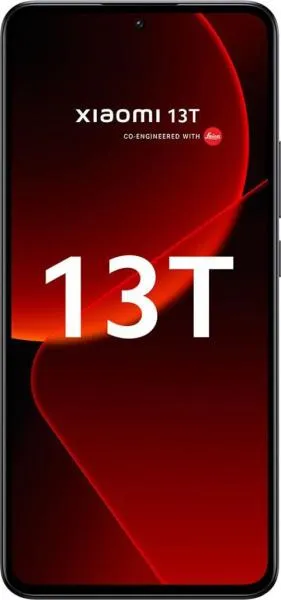
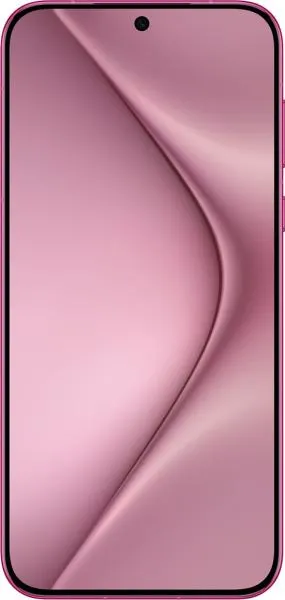
1. Specifications Comparison
| Feature | Xiaomi 13T | Huawei Pura 70 | Practical Impact |
|---|---|---|---|
| Design | |||
| Dimensions | 162.2 x 75.7 x 8.5 mm | 157.6 x 74.3 x 8 mm | Huawei Pura 70 is slightly smaller and thinner, potentially improving one-handed usability. |
| Weight | 193g | 207g | Xiaomi 13T is noticeably lighter, reducing hand fatigue during extended use. |
| Build Materials | Not specified | Not specified | Cannot compare build quality and durability without material information. |
| Display | |||
| Size | 6.67" | 6.6" | Negligible difference in screen real estate. |
| Type | AMOLED, 68B colors | LTPO OLED, 1B colors | Xiaomi 13T's AMOLED with 68B colors likely offers significantly better color accuracy and smoother color gradients compared to the 1B color display on the Huawei Pura 70. |
| Refresh Rate | 144Hz | 120Hz | Xiaomi 13T provides smoother scrolling and animations, especially noticeable in fast-paced games and UI interactions. |
| Peak Brightness | 2600 nits | 2500 nits | Xiaomi 13T offers slightly better visibility in direct sunlight. |
| Resolution | 1220 x 2712 | 1256 x 2760 | Huawei Pura 70 has a marginally sharper display due to higher pixel density (460 vs 446 ppi), but the difference is unlikely to be noticeable in everyday use. |
| Performance | |||
| Chipset | Mediatek Dimensity 8200 Ultra (4nm) | Kirin 9000S1 | Difficult to compare performance without benchmarks. Both are likely high-performance chipsets, but architectural differences could lead to variations in specific tasks. |
| CPU | Octa-core (1x3.1 GHz Cortex-A78 & 3x3.0 GHz Cortex-A78 & 4x2.0 GHz Cortex-A55) | Octa-core | Xiaomi provides detailed CPU configuration; more cores at higher clock speeds suggest a potential performance advantage, particularly in multi-threaded workloads. Lack of detail for Huawei limits comparison. |
| GPU | Mali-G610 MC6 | 8 | Insufficient information on the Huawei GPU makes comparison impossible. "8" is not a descriptive GPU specification. |
| RAM | 12GB | 12GB | Both phones offer ample RAM for multitasking and demanding applications. |
| Storage | 256GB | 512GB | Huawei Pura 70 offers significantly more internal storage for apps, media, and files. |
| Battery | |||
| Capacity | 5000 mAh | 4900 mAh | Negligible difference in battery capacity. Real-world battery life will depend on software optimization and usage patterns. |
| Software | |||
| OS | Android 13 | Not specified | A significant unknown. The OS heavily impacts user experience, app availability, and security updates. Not specifying the OS for the Huawei device is a major omission. |
| Camera | |||
| Video Capabilities | 4K@30fps (HDR, EIS), 1080p various fps & HDR | Not specified | The Xiaomi 13T's detailed video capabilities suggest a strong focus on video recording. Inability to compare due to lack of Huawei specifications. |
2. Key Differences Analysis
Xiaomi 13T Advantages:
- Superior Display: Higher refresh rate and color depth lead to a smoother and visually richer experience.
- Lighter Weight: More comfortable for extended use.
- Detailed Specifications: Provides more information for informed decision-making.
Huawei Pura 70 Advantages:
- Larger Storage: More space for apps and files.
- Slightly Smaller Form Factor: Potentially better for one-handed use.
3. User Profiles & Recommendations
Xiaomi 13T: Suitable for users who prioritize display quality, smooth performance, and a lighter device. Ideal for gamers, media consumers, and those sensitive to color accuracy.
Huawei Pura 70: Might appeal to users who need ample storage and prefer a slightly smaller phone. However, the lack of OS and camera details makes it difficult to recommend confidently.
4. Decision Framework
Key Questions:
- Which OS is the Huawei phone running? This is crucial information impacting usability and app ecosystem access.
- What are your storage needs? If you need a lot of local storage, the Huawei's 512GB is a significant advantage.
- How important is display quality and refresh rate? The Xiaomi 13T excels in this area.
Scenario-Based Recommendations:
- Gamer: Xiaomi 13T due to higher refresh rate and detailed performance specs.
- Power User: Pending OS information, potentially the Huawei Pura 70 for larger storage, but with significant caveats due to unknown OS and other missing specifications.
- Casual User: Xiaomi 13T for its superior display and well-rounded feature set.
My Choice: Xiaomi 13T
Reasoning: The Xiaomi 13T offers a compelling combination of a superior display, strong performance (based on available information), and a lighter weight. The detailed specifications provide confidence in its capabilities. While the Huawei Pura 70 offers more storage, the critical lack of information about its operating system, camera, and detailed GPU makes it impossible to recommend. A smartphone's OS is fundamental to its functionality, and without this knowledge, any comparison is inherently incomplete. The Xiaomi 13T offers a more transparent and compelling package based on the available data.
