1. Specifications Comparison
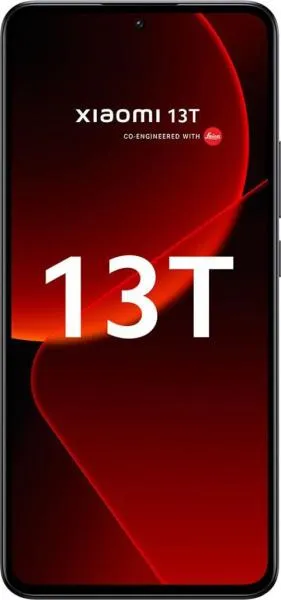
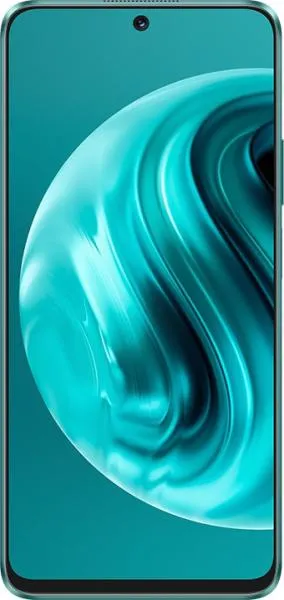
| Feature | Xiaomi 13T | Huawei nova 12i | Practical Impact |
|---|---|---|---|
| Design | |||
| Dimensions (mm) | 162.2 x 75.7 x 8.5 | 163.3 x 74.7 x 8.4 | Virtually identical in size and feel. |
| Weight (g) | 193 | 199 | Negligible weight difference in daily use. |
| Fingerprint Sensor | Under-display | Side-mounted | Preference-based; both are reliable unlocking methods. |
| Display | |||
| Display Type | AMOLED, 68B colors, 144Hz | IPS LCD, 90Hz | Xiaomi offers significantly better color accuracy, contrast, and smoother scrolling with higher refresh rate and AMOLED technology. |
| Resolution | 1220 x 2712 | 1080 x 2388 | Xiaomi has a sharper display with higher pixel density (446 ppi vs 391 ppi). |
| Peak Brightness | 2600 nits | Not specified | Xiaomi's display will be significantly more visible in direct sunlight. Missing peak brightness for Huawei makes comparison incomplete. |
| Refresh Rate | 144Hz | 90Hz | Xiaomi offers smoother animations and scrolling. |
| Performance | |||
| Chipset | Mediatek Dimensity 8200 Ultra (4nm) | Qualcomm Snapdragon 680 4G (6nm) | Xiaomi's processor is significantly more powerful, enabling smoother multitasking, faster app loading, and better gaming performance. |
| CPU | Octa-core (1x3.1 GHz Cortex-A78 & 3x3.0 GHz Cortex-A78 & 4x2.0 GHz Cortex-A55) | Octa-core (4x2.4 GHz Cortex-A73 & 4x1.9 GHz Cortex-A53) | Xiaomi has a more modern and powerful CPU architecture. |
| GPU | Mali-G610 MC6 | Adreno 610 | Xiaomi offers significantly better graphics performance for demanding games and applications. |
| RAM | 12GB | 8GB | Xiaomi provides more RAM for smoother multitasking and less frequent app closures in the background. |
| Storage | 256GB | 256GB | Both offer the same storage capacity. |
| Camera | |||
| Video Capabilities | 4K@30fps (HDR, EIS), various other modes | 1080p@30fps | Xiaomi offers higher resolution video recording (4K) and more features like HDR and EIS. Detailed camera sensor specifications are missing for both phones, limiting a full comparison. |
| Battery | |||
| Capacity | 5000 mAh | 5000 mAh | Similar battery capacity suggests comparable battery life, though real-world usage may vary due to different processors and displays. |
| Software | |||
| OS | Android 13 | Not specified | Missing OS information for Huawei makes comparison impossible. Inability to confirm Android version or any OS drastically limits usability analysis. |
2. Key Differences Analysis
Xiaomi 13T Advantages:
- Superior Display: AMOLED with higher resolution, refresh rate, and peak brightness, resulting in a more vibrant and responsive visual experience.
- Significantly Better Performance: More powerful processor and GPU, enabling smoother multitasking and better gaming.
- More RAM: 12GB ensures seamless performance even with heavy usage.
- Advanced Video Recording: 4K resolution with HDR and EIS.
Huawei nova 12i Potential Advantages:
- Potentially Lower Price: While both are mid-range, the nova 12i might be priced lower. This can't be confirmed without price information.
- Slightly Lighter: Negligible difference in practice.
3. User Profiles & Recommendations
Xiaomi 13T: Users who prioritize performance, a high-quality display, and smooth multitasking. Ideal for gamers, content creators, and power users.
Huawei nova 12i: Users on a tighter budget who prioritize basic functionality. Suitable for light users who primarily use their phone for calling, texting, and social media. However, the lack of OS information makes it impossible to confidently recommend this phone.
4. Decision Framework
Key Questions for Buyers:
- What is your budget?
- What are your primary smartphone uses (gaming, photography, general use)?
- How important is display quality and performance?
Scenario-Based Recommendations:
- Gamer: Xiaomi 13T for its superior performance and display.
- Casual User: Potentially Huawei nova 12i if significantly cheaper and running a confirmed, usable operating system, but Xiaomi 13T if budget allows for a better overall experience.
- Content Creator: Xiaomi 13T for its superior camera features and performance.
My Choice: Xiaomi 13T
The Xiaomi 13T is the clear winner due to its significantly superior display, performance, and features. The lack of crucial information about the Huawei nova 12i, especially the operating system, makes it impossible to recommend. Even if the nova 12i were significantly cheaper, the 13T's advantages in core areas like display and performance would likely outweigh the price difference for most users. The 13T offers a more future-proof and enjoyable user experience.
