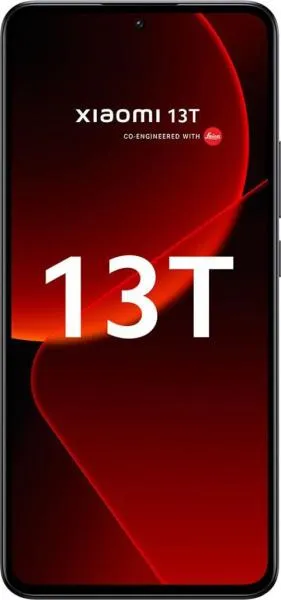
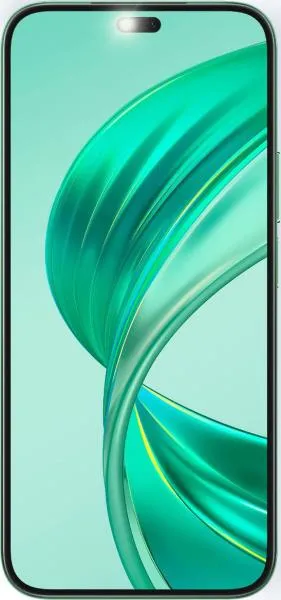
1. Specifications Comparison
| Feature | Xiaomi 13T | Honor X8b | Practical Impact |
|---|---|---|---|
| Design | |||
| Dimensions | 162.2 x 75.7 x 8.5 mm | 161.1 x 74.6 x 6.8 mm | Honor X8b is slightly thinner and lighter, potentially more comfortable for one-handed use. |
| Weight | 193g | 166g | Honor X8b is noticeably lighter, reducing hand fatigue during extended use. |
| Fingerprint Sensor | Under Display | Side-mounted | Preference-based, but under-display is generally considered more modern. Side-mounted can be faster and more reliable. |
| Display | |||
| Size | 6.67" | 6.7" | Negligible size difference. |
| Type | AMOLED, 68B colors, 144Hz, Dolby Vision, HDR10+ | AMOLED, 90Hz | Xiaomi 13T boasts significantly smoother animations and scrolling with its 144Hz refresh rate, along with superior color accuracy and HDR support for richer visuals. |
| Resolution | 1220 x 2712 | 1080 x 2412 | Xiaomi 13T offers sharper text and images due to higher pixel density (446 ppi vs 394 ppi). |
| Peak Brightness | 2600 nits | 2000 nits | Xiaomi 13T will be more visible in direct sunlight. |
| Performance | |||
| Chipset | Mediatek Dimensity 8200 Ultra (4 nm) | Qualcomm Snapdragon 680 4G (6 nm) | Xiaomi 13T's Dimensity 8200 Ultra provides significantly better performance for demanding tasks like gaming and multitasking due to its more powerful CPU and GPU. |
| CPU | Octa-core (1x3.1 GHz Cortex-A78 & 3x3.0 GHz Cortex-A78 & 4x2.0 GHz Cortex-A55) | Octa-core (4x2.4 GHz Kryo 265 Gold & 4x1.9 GHz Kryo 265 Silver) | The 8200 Ultra's core configuration and higher clock speeds translate to faster processing and smoother performance compared to the Snapdragon 680. |
| GPU | Mali-G610 MC6 | Adreno 610 | Xiaomi 13T offers superior graphics performance, resulting in smoother gaming and faster rendering. |
| RAM | 12GB | 6GB/8GB | Xiaomi 13T's 12GB RAM enables better multitasking and smoother performance with multiple apps open. |
| Camera | |||
| Video Capabilities | 4K@30fps (HDR, EIS), 1080p@30/60/120fps (HDR, EIS) | 1080p@30fps | Xiaomi 13T offers superior video recording capabilities with 4K resolution, HDR, and various frame rate options, including slow-motion at 120fps. No detailed camera specifications are provided for either phone beyond video capabilities. |
| Battery | |||
| Capacity | 5000 mAh | 4500 mAh | Xiaomi 13T offers longer battery life. |
| Other | |||
| NFC | Yes | No | Xiaomi 13T allows for contactless payments and data transfer. |
| OS Updates | Up to Android 17 | Unspecified | Xiaomi guarantees longer software support, ensuring security updates and new features for a longer period. |
2. Key Differences Analysis
Xiaomi 13T Advantages:
- Significantly better performance: The Dimensity 8200 Ultra and 12GB RAM deliver a smoother, faster experience for gaming, multitasking, and demanding applications.
- Superior display: The 144Hz refresh rate, higher resolution, and HDR support offer a vastly improved visual experience.
- Enhanced camera features: 4K video recording, HDR, and slow-motion capabilities provide more versatile video recording options.
- Longer battery life: The 5000mAh battery ensures extended usage.
- Future-proof with software updates: Guaranteed updates up to Android 17 provide longer-term security and feature support.
- NFC for contactless payments: A convenient feature for modern transactions.
Honor X8b Advantages:
- Lighter and thinner design: Offers better portability and one-handed usability.
- Potentially lower price: While both are mid-range, the Honor X8b might be more budget-friendly.
Trade-offs:
- The Honor X8b sacrifices performance, display quality, camera features, and battery life for a lighter, potentially cheaper device.
3. User Profiles & Recommendations
Xiaomi 13T: Ideal for users who prioritize performance, a smooth display, long battery life, and future-proof software. Excellent for gamers, power users, and those who consume media heavily.
Honor X8b: Suitable for budget-conscious users who prioritize a lightweight and slim design for basic tasks like calling, messaging, and web browsing. Less demanding users who don't engage in heavy multitasking or gaming.
4. Decision Framework
Key Questions:
- What is your budget? The Honor X8b is likely more affordable.
- What are your primary smartphone uses? Gaming, media consumption, or heavy multitasking benefit from the Xiaomi 13T's power.
- How important are display quality and battery life? The Xiaomi 13T significantly outperforms the Honor X8b in these areas.
My Choice: Xiaomi 13T
The Xiaomi 13T is the clear winner for me. While the Honor X8b offers a slimmer and lighter design, the performance, display, camera, and battery life advantages of the Xiaomi 13T are far more compelling. The significantly smoother 144Hz display, powerful chipset, extended battery life, and future-proof software make it a much better long-term investment. The inclusion of NFC further solidifies its position as a more versatile and feature-rich device. I value performance and a premium user experience, making the Xiaomi 13T the superior choice despite the slight increase in size and weight.
