1. Specifications Comparison
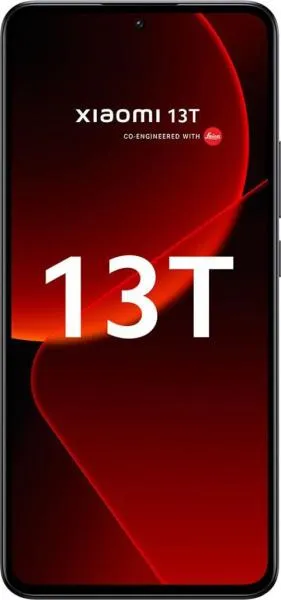
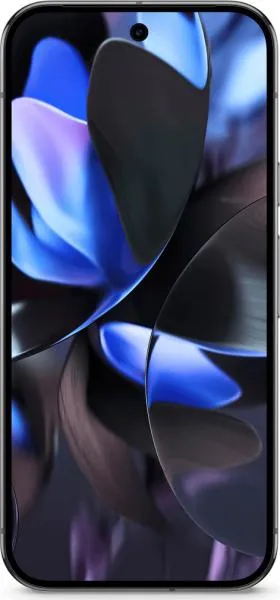
| Feature | Xiaomi 13T | Google Pixel 9 Pro XL | Practical Impact |
|---|---|---|---|
| Design | |||
| Dimensions | 162.2 x 75.7 x 8.5 mm | 162.8 x 76.6 x 8.5 mm | Virtually identical in size and thickness. |
| Weight | 193g | 221g | Pixel 9 Pro XL is noticeably heavier, potentially impacting one-handed use. |
| Build Materials | Not specified | Not specified | Cannot compare build quality and durability. |
| Display | |||
| Size | 6.67 inches | 6.8 inches | Pixel has a slightly larger screen, providing a more immersive experience for media consumption. |
| Type | AMOLED, 144Hz | LTPO OLED, 120Hz | Both offer vibrant colors and deep blacks. Xiaomi's higher refresh rate provides smoother animations, while Pixel's LTPO allows for dynamic refresh rate adjustment to save battery. |
| Resolution | 1220 x 2712 | 1344 x 2992 | Pixel has a sharper display due to higher resolution and pixel density. |
| Peak Brightness | 2600 nits | 3000 nits | Pixel should offer better visibility in direct sunlight. |
| Performance | |||
| Chipset | Mediatek Dimensity 8200 Ultra | Google Tensor G4 | Tensor G4 is likely optimized for AI and machine learning tasks, potentially offering better performance in specific applications. Dimensity 8200 Ultra is known for strong overall performance. |
| CPU | Octa-core (1x3.1 GHz Cortex-A78 & 3x3.0 GHz Cortex-A78 & 4x2.0 GHz Cortex-A55) | Octa-core (1x3.1 GHz Cortex-X4 & 3x2.6 GHz Cortex-A720 & 4x1.92 GHz Cortex-A520) | Tensor G4's Cortex-X4 core suggests superior peak performance. Real-world difference depends on optimization. |
| GPU | Mali-G610 MC6 | Mali-G715 MC7 | Pixel's GPU likely offers better gaming performance. |
| RAM | 12GB | 16GB | Pixel's extra RAM allows for more efficient multitasking and smoother performance with demanding applications. |
| Storage | 256GB | 256GB, 512GB, 1TB | Pixel offers more storage options for users with large media libraries. |
| Camera | |||
| Rear Camera Specs | Not specified | Not specified | Cannot compare camera quality and features. |
| Video Capabilities | Up to 4K@30fps | Up to 8K@30fps | Pixel offers higher resolution video recording and Optical Image Stabilization (OIS) for smoother footage. |
| Battery | |||
| Capacity | 5000 mAh | 5060 mAh | Negligible difference in battery capacity. Real-world battery life depends on optimization and usage patterns. |
| Charging Speed | Not specified | Not specified | Cannot compare charging speeds. |
2. Key Differences Analysis
Xiaomi 13T Advantages:
- Higher Refresh Rate Display: Smoother scrolling and animations.
- Potentially Lower Price: Belongs to a lower price range.
Google Pixel 9 Pro XL Advantages:
- Sharper Display: More detail and clarity in images and videos.
- More Powerful GPU: Better gaming and graphics performance.
- More RAM: Smoother multitasking and handling of demanding apps.
- More Storage Options: Accommodates larger media libraries.
- Superior Video Recording: Higher resolution and OIS for smoother footage.
- Longer Software Support: Expected to receive more Android OS updates.
3. User Profiles & Recommendations
Xiaomi 13T:
- Budget-conscious users: Prioritize value for money.
- Gamers who prioritize smooth display: Benefit from the 144Hz refresh rate.
- Users who consume media but don't need the absolute sharpest display: AMOLED screen still offers excellent quality.
Google Pixel 9 Pro XL:
- Power users: Demand top-tier performance and the latest features.
- Photography and videography enthusiasts: Value high-quality cameras and advanced video recording capabilities.
- Users who prioritize a premium experience: Willing to pay for the best display, performance, and software support.
4. Decision Framework
Key Questions for Buyers:
- What is your budget? The Pixel 9 Pro XL is expected to be significantly more expensive.
- What are your primary use cases? Gaming, photography, general use?
- How important is software support and longevity? Pixel phones generally receive longer updates.
My Choice
I would choose the Google Pixel 9 Pro XL. While the Xiaomi 13T offers a compelling value proposition with its high refresh rate display, the Pixel 9 Pro XL's advantages in key areas like performance, camera capabilities, software support, and the sharper display outweigh the price difference for me. The longer software support ensures a longer lifespan for the device, making it a better long-term investment. I prioritize a smooth and future-proof experience, and the Pixel 9 Pro XL aligns better with my needs. However, if budget is a primary concern, the Xiaomi 13T is a strong contender offering excellent performance for its price range.
