1. Specifications Comparison
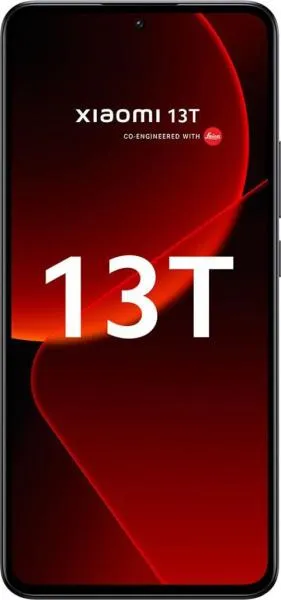
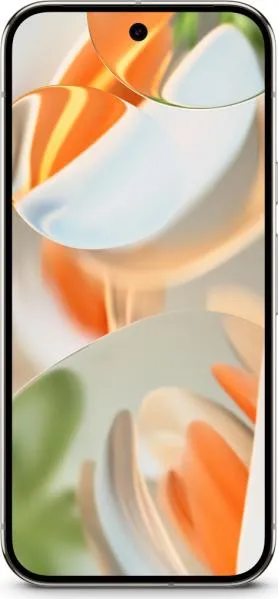
| Feature | Xiaomi 13T | Google Pixel 9 Pro | Practical Impact |
|---|---|---|---|
| Design | |||
| Dimensions | 162.2 x 75.7 x 8.5 mm | 152.8 x 72 x 8.5 mm | Pixel 9 Pro is noticeably narrower and slightly shorter, making it more comfortable for one-handed use. |
| Weight | 193g | 199g | The weight difference is negligible in real-world usage. |
| Display | |||
| Size | 6.67" | 6.3" | Xiaomi 13T offers a larger screen for more immersive media consumption. |
| Type | AMOLED, 144Hz | LTPO OLED, 120Hz | Both offer excellent displays. The 144Hz on the 13T provides slightly smoother scrolling and animations, while LTPO allows for more granular refresh rate control on the Pixel, potentially saving battery. |
| Resolution | 1220 x 2712 | 1280x2856 | Pixel 9 Pro has a slightly sharper display due to higher pixel density (495 vs 446 PPI). |
| Peak Brightness | 2600 nits | 3000 nits | Pixel 9 Pro should offer better visibility in direct sunlight. |
| Performance | |||
| Chipset | Mediatek Dimensity 8200 Ultra | Google Tensor G4 | Performance differences likely depend on specific tasks. Tensor G4 is optimized for AI and machine learning tasks, potentially offering a smoother experience with Google services. Dimensity 8200 Ultra is known for its strong overall performance. |
| CPU | Octa-core (1x3.1 GHz Cortex-A78 & 3x3.0 GHz Cortex-A78 & 4x2.0 GHz Cortex-A55) | Octa-core (1x3.1 GHz Cortex-X4 & 3x2.6 GHz Cortex-A720 & 4x1.92 GHz Cortex-A520) | Tensor G4's Cortex-X4 core likely provides a performance edge in demanding tasks. |
| RAM | 12GB | 16GB | Pixel 9 Pro's extra RAM allows for better multitasking and app retention. |
| Camera | |||
| Video Capabilities | Up to 4K@30fps (HDR, EIS) | Up to 8K@30fps (HDR, OIS, EIS) | Pixel excels with superior video resolution, optical image stabilization (OIS), and more frame rate options. |
| Specific sensor details missing. | Cannot compare photo quality without detailed sensor information. Pixel is generally known for excellent computational photography. | ||
| Battery | |||
| Capacity | 5000 mAh | 4700 mAh | Xiaomi 13T has a larger battery, potentially offering longer battery life. However, real-world battery life depends on many factors. |
| Software | |||
| OS | Android 13 | Android 14 | Pixel 9 Pro launches with the latest Android version and will likely receive longer software updates. |
2. Key Differences Analysis
Xiaomi 13T Advantages:
- Larger Display: More immersive for media consumption.
- Higher Refresh Rate: Smoother scrolling and animations.
- Larger Battery: Potentially longer battery life.
- Lower Price: Offers strong value for its specifications.
Google Pixel 9 Pro Advantages:
- More Compact Design: Easier one-handed use.
- Sharper Display: Slightly higher pixel density.
- Brighter Display: Better outdoor visibility.
- More RAM: Improved multitasking.
- Superior Video Recording: Higher resolution, OIS, more frame rate options.
- Longer Software Support: More Android updates and security patches.
- Tensor G4 with AI optimizations: Potentially smoother performance with Google services and AI-powered features.
3. User Profiles & Recommendations
Xiaomi 13T: Users prioritizing large screen size, battery life, high refresh rate, and value for money. Ideal for media consumption, gaming, and general use.
Google Pixel 9 Pro: Users who value a compact form factor, the latest software with long-term updates, excellent camera capabilities, especially video recording, and a premium experience. Ideal for photography enthusiasts, power users, and those heavily reliant on Google services.
4. Decision Framework
Key Questions for Buyers:
- What is your budget? The Pixel 9 Pro is positioned as a high-end device, while the Xiaomi 13T offers competitive specs at a mid-range price.
- What screen size do you prefer? Do you prioritize a larger display for media consumption or a smaller display for one-handed usability?
- How important is camera quality, particularly video? The Pixel 9 Pro clearly excels in video recording capabilities.
Scenario-Based Recommendations:
- Budget-conscious user: Xiaomi 13T
- Photography/Videography enthusiast: Pixel 9 Pro
- Power user needing latest software and long updates: Pixel 9 Pro
My Choice: Google Pixel 9 Pro
While the Xiaomi 13T offers compelling value, I would choose the Google Pixel 9 Pro. The deciding factors for me are the superior video recording capabilities, the longer software support, the more compact form factor, and the smoother performance expected from the Tensor G4, especially with Google services. While the price difference is significant, the Pixel 9 Pro offers a more premium and future-proof experience that aligns with my personal priorities. The narrower width is a major plus for comfortable one-handed use. Although I acknowledge the Xiaomi 13T's strengths in battery capacity and refresh rate, the Pixel's advantages in areas I value more outweigh those benefits.
