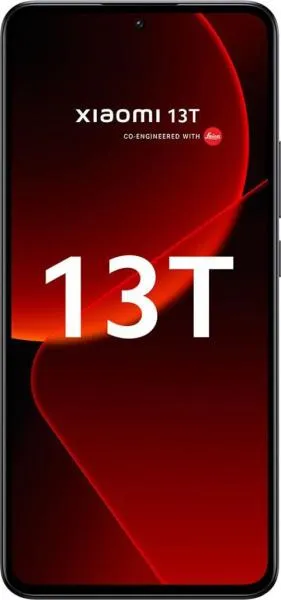
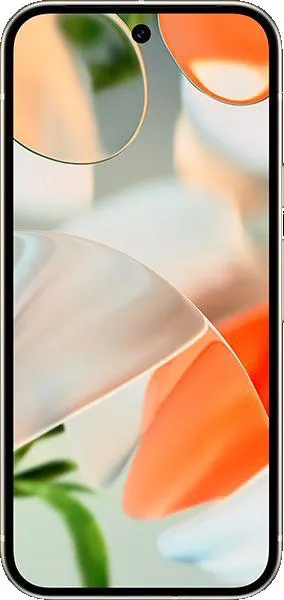
1. Specifications Comparison
| Feature | Xiaomi 13T | Google Pixel 9 | Practical Impact |
|---|---|---|---|
| Design | |||
| Dimensions | 162.2 x 75.7 x 8.5 mm | 152.8 x 72 x 8.5 mm | Pixel 9 is noticeably narrower and slightly shorter, making it more comfortable for one-handed use. |
| Weight | 193g | 198g | Negligible weight difference; both phones are relatively light. |
| Display | |||
| Size | 6.67 inches | 6.3 inches | Xiaomi 13T offers a larger screen for more immersive media consumption. |
| Type | AMOLED, 144Hz | OLED, 120Hz | Both offer smooth scrolling and animations. The 144Hz on the 13T may be noticeable for gamers but less so for average users. |
| Resolution | 1220 x 2712 | 1080 x 2424 | Xiaomi 13T has a sharper display due to higher pixel density (446 ppi vs 422 ppi), resulting in clearer text and images. |
| Peak Brightness | 2600 nits | 2700 nits | Pixel 9 has slightly higher peak brightness, potentially offering better visibility in direct sunlight. |
| Performance | |||
| Chipset | Mediatek Dimensity 8200 Ultra | Google Tensor G4 | Performance differences likely depend on specific tasks and optimization. Tensor G4 is known for AI and machine learning capabilities. |
| CPU | Octa-core (1x3.1 GHz Cortex-A78 & 3x3.0 GHz Cortex-A78 & 4x2.0 GHz Cortex-A55) | Octa-core (1x3.1 GHz Cortex-X4 & 3x2.6 GHz Cortex-A720 & 4x1.92 GHz Cortex-A520) | Tensor G4 utilizes a more powerful prime core (Cortex-X4), potentially offering better burst performance. |
| GPU | Mali-G610 MC6 | Mali-G715 MC7 | Pixel 9 likely has a stronger GPU, beneficial for gaming and graphically demanding tasks. |
| RAM | 12GB | 12GB | Both phones have ample RAM for multitasking and smooth performance. |
| Storage | 256GB | 256GB | Both offer the same storage capacity. |
| Battery | |||
| Capacity | 5000 mAh | 4700 mAh | Xiaomi 13T boasts a larger battery, potentially translating to longer battery life. Real-world usage will vary. |
| Camera | |||
| Video Capabilities | 4K@30fps (HDR, EIS)... | 4K@24/30/60fps (HDR, OIS, EIS)... | Pixel 9 supports more video recording options, including higher frame rates and Optical Image Stabilization (OIS) for smoother footage. No detailed camera sensor specs are available for comparison. |
| Software | |||
| OS | Android 13 | Android 14 | Pixel 9 comes with the latest Android version and likely longer software update support from Google. |
2. Key Differences Analysis
Xiaomi 13T Advantages:
- Larger Display: More immersive experience for media consumption.
- Higher Resolution Display: Sharper visuals for text and images.
- Larger Battery: Potential for longer battery life.
- Potentially Lower Price: Xiaomi phones generally offer competitive pricing.
Google Pixel 9 Advantages:
- More Compact Design: Easier one-handed use.
- More Powerful GPU: Better gaming and graphics performance.
- More Advanced Video Recording: OIS and higher frame rate options.
- Latest Android Version & Longer Software Support: Ensures access to new features and security updates for a longer period.
- Tensor G4's AI Capabilities: Enhanced features powered by Google's AI chip.
3. User Profiles & Recommendations
Xiaomi 13T: Ideal for users prioritizing media consumption, battery life, and value for money. Suitable use cases include watching videos, playing casual games, and general everyday tasks.
Google Pixel 9: Ideal for users who prefer a compact phone, prioritize camera quality and software updates, and leverage AI-powered features. Suitable use cases include mobile photography, videography, and utilizing Google Assistant extensively.
4. Decision Framework
Key Questions for Buyers:
- What screen size do you prefer? Larger screen for media consumption or smaller screen for one-handed use?
- How important is camera quality and video recording capability?
- How much do you value software updates and AI features?
My Choice: Google Pixel 9
While the Xiaomi 13T offers a compelling package with a large, sharp display and bigger battery, I would choose the Google Pixel 9. The deciding factors for me are:
- Compact Form Factor: I prefer a phone that's easy to handle and use with one hand.
- Superior Camera & Video: OIS is crucial for stable video footage, and the Pixel's generally excellent camera performance is a major draw. While detailed camera specs aren't provided, historically Pixel phones excel in this area.
- Software Updates and AI: The latest Android version with guaranteed long-term updates is important for security and new features. The Tensor G4's AI capabilities promise a more intelligent and personalized user experience.
While battery life is a concern, I prioritize the Pixel 9's strengths in other areas. The slightly smaller battery can likely be managed with optimized usage. Ultimately, the Pixel 9 aligns better with my personal preferences and priorities.
