1. Specifications Comparison
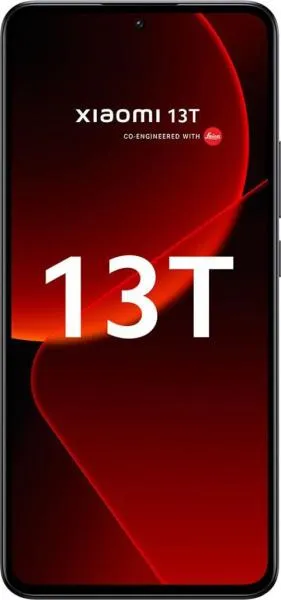
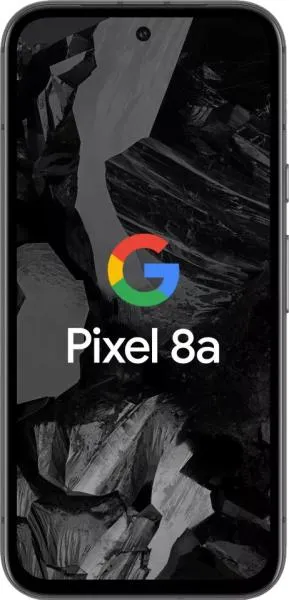
| Feature | Xiaomi 13T | Google Pixel 8a | Practical Impact |
|---|---|---|---|
| Design | |||
| Dimensions | 162.2 x 75.7 x 8.5 mm | 152.1 x 72.7 x 8.9 mm | Pixel 8a is noticeably smaller and slightly thicker, potentially easier for one-handed use. |
| Weight | 193g | 188g | Negligible weight difference in practical use. |
| Build Materials | Not specified | Not specified | Cannot compare build quality and durability without more information. |
| Display | |||
| Size | 6.67" | 6.1" | Xiaomi 13T offers a significantly larger screen for media consumption, while Pixel 8a is more pocketable. |
| Type | AMOLED, 144Hz | OLED, 120Hz | Both offer smooth scrolling and animations; Xiaomi 13T's higher refresh rate may be noticeable in fast-paced games but consumes more battery. Xiaomi's AMOLED with 68B colors likely offers a wider color gamut than a standard OLED. |
| Resolution | 1220 x 2712 | 1080 x 2400 | Xiaomi 13T has a sharper display due to higher resolution and pixel density (446 ppi vs 430 ppi), resulting in crisper text and images. |
| Peak Brightness | 2600 nits | 2000 nits | Xiaomi 13T will be significantly more visible in direct sunlight. |
| Performance | |||
| Chipset | Mediatek Dimensity 8200 Ultra | Google Tensor G3 | Both are powerful chips; Tensor G3 is optimized for AI tasks and computational photography. Real-world performance differences may vary based on optimization. |
| CPU | Octa-core (1x3.1 GHz Cortex-A78 & 3x3.0 GHz Cortex-A78 & 4x2.0 GHz Cortex-A55) | Nona-core (1x3.0 GHz Cortex-X3 & 4x2.45 GHz Cortex-A715 & 4x2.15 GHz Cortex-A510) | Tensor G3's more modern core architecture might offer better performance in demanding tasks. |
| RAM | 12GB | 8GB | Xiaomi 13T's larger RAM allows for more efficient multitasking and smoother performance with demanding apps. |
| Storage | 256GB | 256GB | Both offer the same storage capacity. |
| Camera | |||
| Rear Camera | Not specified | Not specified | Cannot compare camera quality without detailed sensor specifications. |
| Video | 4K@30fps, 1080p@ various fps | Up to 4K@60fps, 1080p@240fps | Pixel 8a offers more comprehensive video recording options, including higher resolution and frame rates, along with optical image stabilization (OIS) for smoother footage. |
| Battery | |||
| Capacity | 5000 mAh | 4492 mAh | Xiaomi 13T likely offers longer battery life due to larger capacity. |
| Charging Speed | Not specified | Not specified | Cannot compare charging speeds without more information. |
2. Key Differences Analysis
Xiaomi 13T Advantages:
- Larger, sharper display with higher refresh rate and peak brightness.
- More RAM for smoother multitasking.
- Larger battery capacity for potentially longer battery life.
Google Pixel 8a Advantages:
- More compact and easier to handle.
- More powerful CPU architecture potentially offering better performance in demanding tasks.
- Superior video recording capabilities with OIS and higher frame rates.
- Longer software support guaranteed by Google.
Trade-offs:
- Xiaomi 13T: Larger size might not be suitable for all users. Higher refresh rate consumes more battery.
- Pixel 8a: Smaller battery capacity. Smaller display.
3. User Profiles & Recommendations
Xiaomi 13T: Ideal for users who prioritize media consumption, gaming, and long battery life.
Google Pixel 8a: Ideal for users who prefer a compact phone with a great camera, smooth performance, and the latest Android features and updates. Good for those who value software longevity and consistent updates.
4. Decision Framework
Key Questions for Buyers:
- What screen size do you prefer? Large screen for media or compact for one-handed use?
- How important is camera quality and video recording? Consider Pixel if high-quality video is a priority.
- How much do you value software updates and AI features? Pixel offers longer software support and Google's AI-powered features.
My Choice: Google Pixel 8a
While the Xiaomi 13T boasts impressive specs like a larger battery and higher refresh rate display, the Google Pixel 8a aligns better with my priorities. I value a compact form factor, consistent software updates, and a strong camera performance, particularly in video recording. The Pixel's superior video capabilities, including OIS and higher frame rates, outweigh the benefits of the Xiaomi's larger display and battery for my usage. The longer software support provided by Google is a significant advantage, ensuring security and feature updates for an extended period. While the Xiaomi 13T might be excellent for media consumption, the Pixel 8a offers a more well-rounded package that caters to my needs for a compact, powerful, and future-proof device. I prioritize the refined software experience and consistent updates offered by Google.
