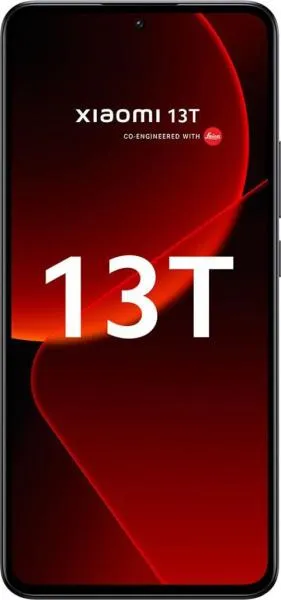
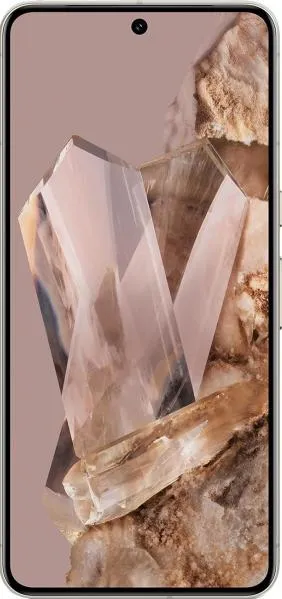
1. Specifications Comparison
| Feature | Xiaomi 13T | Google Pixel 8 Pro | Practical Impact |
|---|---|---|---|
| Design | |||
| Dimensions | 162.2 x 75.7 x 8.5 mm | 162.6 x 76.5 x 8.8 mm | Virtually identical in size; negligible difference in hand feel. |
| Weight | 193g | 213g | Pixel 8 Pro is noticeably heavier (20g). May cause fatigue during extended use. |
| Build Materials | Not specified | Not specified | Cannot compare build quality and durability without this information. |
| Display | |||
| Display Type | AMOLED, 68B colors | LTPO OLED | Both offer excellent color accuracy and deep blacks. LTPO allows for more granular refresh rate control, potentially saving battery. |
| Size | 6.67" | 6.7" | Negligible size difference. |
| Resolution | 1220 x 2712 | 1344 x 2992 | Pixel 8 Pro has a slightly sharper display due to higher pixel density (489 vs 446 ppi). Difference may not be noticeable in everyday use. |
| Refresh Rate | 144Hz | 120Hz | Xiaomi offers a higher refresh rate for smoother animations and scrolling. However, the Pixel's LTPO panel can dynamically adjust down to 1Hz for better battery efficiency. |
| Peak Brightness | 2600 nits | 2400 nits | Xiaomi offers slightly higher peak brightness, improving outdoor visibility. |
| Performance | |||
| Chipset | Mediatek Dimensity 8200 Ultra | Google Tensor G3 | Both are powerful 4nm chips. Tensor G3 is optimized for AI and machine learning tasks, potentially offering advantages in specific applications like photography and voice assistance. |
| CPU | Octa-core (1x3.1 GHz Cortex-A78 & 3x3.0 GHz Cortex-A78 & 4x2.0 GHz Cortex-A55) | Nona-core (1x3.0 GHz Cortex-X3 & 4x2.45 GHz Cortex-A715 & 4x2.15 GHz Cortex-A510) | Tensor G3's more modern core architecture suggests potentially better performance, particularly in demanding tasks. |
| GPU | Mali-G610 MC6 | Immortalis-G715s MC10 | Immortalis-G715s MC10 generally offers better gaming performance compared to the Mali-G610 MC6. |
| RAM | 12GB | 12GB | Both phones offer ample RAM for multitasking. |
| Storage | 256GB | 256GB, 512GB, 1TB | Pixel offers more storage options for users needing larger capacity. |
| Battery | |||
| Capacity | 5000 mAh | 5050 mAh | Negligible difference in battery capacity. Real-world battery life will depend more on software optimization and usage patterns. |
| Software | |||
| OS | Android 13 | Android 14 | Pixel ships with the latest Android version and is guaranteed longer software updates. |
| Camera | |||
| Rear Camera | Not specified | Not specified | Cannot compare camera quality without detailed sensor and lens specifications. |
| Video | Up to 4K@30fps | Up to 4K@60fps and 1080p@240fps | Pixel 8 Pro offers more advanced video recording capabilities, including higher resolution and frame rates, as well as OIS (Optical Image Stabilization) for smoother footage. |
2. Key Differences Analysis
Xiaomi 13T Advantages:
- Higher Refresh Rate Display: Smoother scrolling and animations.
- Brighter Display: Better outdoor visibility.
- Potentially Lower Price: Depending on specific market and configuration.
Google Pixel 8 Pro Advantages:
- Latest Android Version and Longer Software Support: Ensures access to new features and security updates for a longer period.
- More Powerful GPU: Better gaming performance.
- More Storage Options: Caters to users with high storage demands.
- More Advanced Video Capabilities: Higher resolution and frame rate recording with OIS.
- Tensor G3's AI Capabilities: Potential advantages in photography, voice assistance, and other AI-driven tasks.
3. User Profiles & Recommendations
Xiaomi 13T: Suitable for users prioritizing a smooth display experience and value for money. Ideal for gamers on a budget and those who consume a lot of media.
Google Pixel 8 Pro: Suitable for users who prioritize the latest software, AI features, long-term support, ample storage, and excellent camera capabilities. Ideal for power users, photographers, and videographers.
4. Decision Framework
Key Questions for Buyers:
- How important is software update longevity and the latest Android features?
- What is your budget, and how much are you willing to spend on premium features?
- What are your primary use cases (gaming, photography, general use)?
Scenario-Based Recommendations:
- Budget-conscious gamer: Xiaomi 13T
- Photography enthusiast: Google Pixel 8 Pro
- User who values long-term software support: Google Pixel 8 Pro
My Choice: Google Pixel 8 Pro
While the Xiaomi 13T offers a compelling display and potentially lower price, the Google Pixel 8 Pro's advantages in software support, processing power (especially the GPU), video capabilities, and potential AI benefits make it the more appealing choice for me. The longer software update commitment from Google ensures a longer device lifespan and access to the latest features, which I highly value. The superior video recording capabilities and the more powerful GPU also cater to my personal use cases. Although heavier, the overall package offered by the Pixel 8 Pro aligns better with my priorities.
