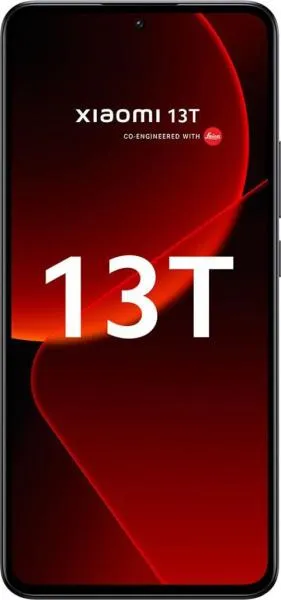
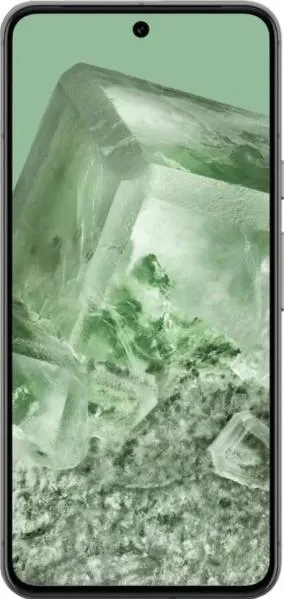
1. Specifications Comparison
| Feature | Xiaomi 13T | Google Pixel 8 | Practical Impact |
|---|---|---|---|
| Design | |||
| Dimensions | 162.2 x 75.7 x 8.5 mm | 150.5 x 70.8 x 8.9 mm | Pixel 8 is noticeably smaller and potentially more pocketable. |
| Weight | 193g | 187g | The weight difference is negligible in real-world usage. |
| Build Materials | Not specified | Not specified | Cannot compare without further information. |
| Display | |||
| Size | 6.67" | 6.2" | Xiaomi 13T offers a larger screen for media consumption but may be less one-hand friendly. |
| Type | AMOLED, 144Hz | OLED, 120Hz | Both offer smooth scrolling and animations, though the 13T's 144Hz might be slightly smoother for fast-paced gaming. |
| Resolution | 1220 x 2712 | 1080 x 2400 | Xiaomi 13T has a sharper display (446 ppi vs 428 ppi), resulting in crisper text and images. |
| Peak Brightness | 2600 nits | 2000 nits | Xiaomi 13T should be more readable in direct sunlight. |
| Performance | |||
| Chipset | Mediatek Dimensity 8200 Ultra | Google Tensor G3 | Both are powerful chips, but Tensor G3 is optimized for AI and machine learning tasks, potentially leading to a smoother and more intelligent user experience. Benchmarking scores would be needed for a more definitive comparison. |
| CPU | Octa-core (1x3.1 GHz Cortex-A78 & 3x3.0 GHz Cortex-A78 & 4x2.0 GHz Cortex-A55) | Nona-core (1x3.0 GHz Cortex-X3 & 4x2.45 GHz Cortex-A715 & 4x2.15 GHz Cortex-A510) | Core configurations differ, but real-world performance depends on optimization. |
| RAM | 12GB | 8GB | Xiaomi 13T offers more RAM, potentially enabling better multitasking and smoother performance with demanding apps. |
| Camera | |||
| Video Capabilities | 4K@30fps (HDR, EIS) and others | Up to 4K@60fps (HDR, OIS, EIS), 1080p@240fps | Pixel 8 offers superior video recording capabilities with higher frame rates at 4K and slow-motion recording at 1080p. Notably, the Pixel 8 incorporates OIS for more stable footage. Detailed camera sensor specifications are needed for comprehensive comparison. |
| Battery | |||
| Capacity | 5000 mAh | 4575 mAh | Xiaomi 13T has a larger battery, potentially leading to longer battery life. Real-world usage will vary. |
| Software | |||
| OS | Android 13 | Android 14 | Pixel 8 launches with the latest Android version and benefits from longer software support directly from Google. |
2. Key Differences Analysis
Xiaomi 13T Advantages:
- Larger, sharper display: Better for media consumption and gaming.
- More RAM: Improved multitasking and performance with demanding applications.
- Larger battery: Potential for longer battery life.
- Higher peak brightness: Superior outdoor visibility.
- Faster Refresh Rate: Smoother experience, especially in gaming.
Google Pixel 8 Advantages:
- More compact form factor: Easier to handle and pocket.
- Latest Android version and longer software updates: Ensures access to new features and security patches for a longer period.
- Superior video recording capabilities: More versatile and stable video recording thanks to OIS and higher frame rates.
- Tensor G3 Chip Optimized for AI: Potentially a more intelligent and intuitive user experience.
3. User Profiles & Recommendations
Xiaomi 13T: Users who prioritize media consumption, mobile gaming, and long battery life on a larger screen.
Google Pixel 8: Users who prefer a compact phone with the latest software, a clean Android experience, top-notch camera features, and prioritize software updates.
4. Decision Framework
Key Questions for Buyers:
- What screen size do you prefer? Larger screen for media or a more compact phone for one-handed use?
- How important is software update longevity?
- What is your primary use case? (Gaming, photography, general use)
My Choice: Google Pixel 8
While the Xiaomi 13T offers compelling hardware, particularly in the display and battery departments, I would choose the Google Pixel 8. The deciding factors are the guaranteed long-term software support directly from Google, the superior video recording capabilities thanks to OIS and higher frame rates, and the cleaner Android experience powered by the AI-optimized Tensor G3 chip. The more compact size is also appealing to me. While the Xiaomi 13T might offer a slight edge in certain specifications, the Pixel 8 provides a more well-rounded and future-proof package that aligns better with my priorities.
