1. Specifications Comparison
| Feature | Xiaomi 13T | Asus ROG Phone 8 Pro | Practical Impact |
|---|---|---|---|
| Design | |||
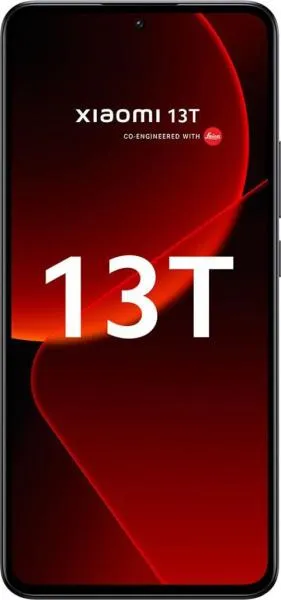
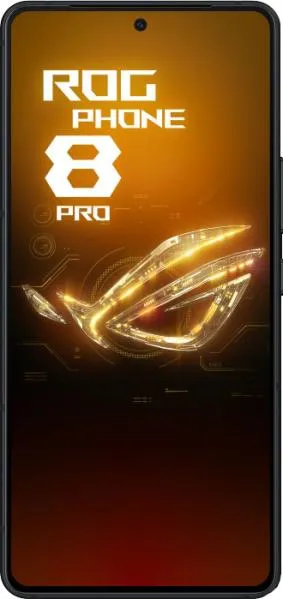
| Dimensions | 162.2 x 75.7 x 8.5 mm | 163.8 x 76.8 x 8.9 mm | ROG Phone 8 Pro is slightly larger and thicker. |
| Weight | 193g | 225g | Noticeable weight difference; Xiaomi 13T is more pocketable for daily use. ROG Phone 8 Pro may feel bulky. |
| Display | |||
| Size | 6.67" | 6.78" | Negligible difference in screen real estate. |
| Type | AMOLED, 68B colors, 144Hz | LTPO AMOLED, 1B colors, 165Hz | Both offer vibrant colors and smooth scrolling. ROG Phone 8 Pro's 165Hz offers a slight edge in smoothness, but might impact battery life more. The difference between 1B and 68B colors is negligible in real-world usage. LTPO allows for more granular refresh rate control, potentially saving battery. |
| Resolution | 1220 x 2712 | 1080 x 2400 | Xiaomi 13T has a sharper display due to higher pixel density (446 ppi vs 388 ppi), resulting in crisper text and images. |
| Peak Brightness | 2600 nits | 2500 nits | Both are exceptionally bright, ensuring good visibility outdoors. The slight difference is unlikely to be noticeable in most situations. |
| Performance | |||
| Chipset | Mediatek Dimensity 8200 Ultra | Qualcomm Snapdragon 8 Gen 3 | Snapdragon 8 Gen 3 is generally considered a more powerful flagship chip, offering better performance in demanding tasks and gaming. |
| CPU | Octa-core (1x3.1 GHz Cortex-A78 & 3x3.0 GHz Cortex-A78 & 4x2.0 GHz Cortex-A55) | Octa-core (1x3.3 GHz Cortex-X4 & 3x3.2 GHz Cortex-A720 & 2x3.0 GHz Cortex-A720 & 2x2.3 GHz Cortex-A520) | Snapdragon 8 Gen 3's newer architecture should deliver superior performance, especially in single-core tasks. |
| GPU | Mali-G610 MC6 | Adreno 750 | Adreno 750 offers better graphical performance, beneficial for gaming and graphically intensive applications. |
| RAM/Storage | 12GB/256GB | 24GB/1000GB | ROG Phone 8 Pro offers significantly more RAM and storage, enabling smoother multitasking and ample space for files and apps. |
| Battery | |||
| Capacity | 5000 mAh | 5500 mAh | ROG Phone 8 Pro has a larger battery, potentially offering longer battery life. However, its higher refresh rate display and more powerful processor could offset this advantage. |
| Camera | No camera specs provided | No camera specs provided | Cannot compare camera performance without detailed specifications. |
2. Key Differences Analysis
Xiaomi 13T Advantages:
- Sharper Display: Higher resolution leads to a more detailed visual experience.
- Lighter and More Compact: Easier to handle and carry for everyday use.
- Potentially Longer Battery Life: Lower power consumption due to less demanding display and processor.
Asus ROG Phone 8 Pro Advantages:
- More Powerful Processor and GPU: Superior performance for demanding tasks and gaming.
- Higher Refresh Rate Display: Smoother animations and transitions, particularly beneficial for gaming.
- More RAM and Storage: Enables seamless multitasking and ample storage space.
- Larger Battery: Potentially longer battery life, depending on usage.
Trade-offs:
- ROG Phone 8 Pro: Performance and features come at the cost of increased size, weight, and potentially higher price.
- Xiaomi 13T: While offering a good balance of features, it compromises on peak performance compared to the ROG Phone 8 Pro.
3. User Profiles & Recommendations
Xiaomi 13T: Ideal for users seeking a well-rounded phone with a great display, good performance, and comfortable ergonomics. Suitable for everyday tasks, media consumption, and moderate gaming.
Asus ROG Phone 8 Pro: Designed for power users and mobile gamers who prioritize top-tier performance, a high refresh rate display, and ample storage. Ideal for demanding games, heavy multitasking, and content creation.
4. Decision Framework
Key Questions for Buyers:
- What is your primary use case for a smartphone? (Gaming, everyday tasks, media consumption, etc.)
- What is your budget? (Consider the price difference between the two phones.)
- How important are portability and comfort? (The ROG Phone 8 Pro is significantly heavier.)
My Choice: Xiaomi 13T
While the ROG Phone 8 Pro boasts impressive specs, the Xiaomi 13T strikes a better balance for my needs. I prioritize a sharp, vibrant display, comfortable one-handed use, and all-day battery life. The 13T's lighter weight and smaller size are significant advantages for daily use. While I appreciate the extra power of the ROG Phone 8 Pro, I don't require that level of performance for my typical usage (browsing, social media, photography, light gaming). The 13T's Dimensity 8200 Ultra should be more than sufficient for my needs, and I prefer a slightly more compact and manageable phone. The significantly higher RAM and Storage on the ROG Phone 8 Pro is appealing, but not essential for my workflow. Ultimately, the Xiaomi 13T provides a more practical and comfortable everyday experience without significant compromises in essential areas.
