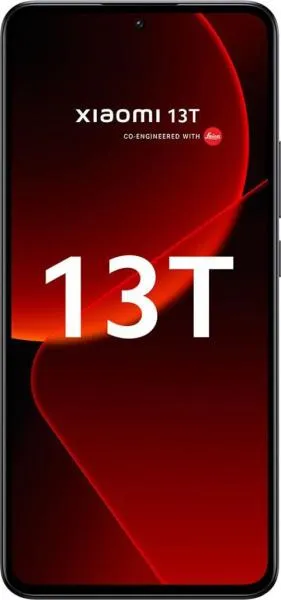
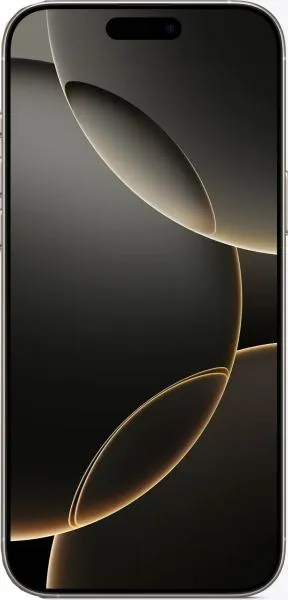
1. Specifications Comparison
| Feature | Xiaomi 13T | Apple iPhone 16 Pro Max | Practical Impact |
|---|---|---|---|
| Design | |||
| Dimensions | 162.2 x 75.7 x 8.5 mm | 163 x 77.6 x 8.3 mm | iPhone 16 Pro Max is slightly taller and wider, but marginally thinner. Negligible difference in hand feel. |
| Weight | 193g | 227g | iPhone 16 Pro Max is noticeably heavier, potentially impacting one-handed use and pocket comfort. |
| Build Materials | Not specified | Titanium (assumed based on previous models) | Durability and premium feel likely better on iPhone, but lack of specifics for Xiaomi limits comparison. |
| Display | |||
| Display Type | AMOLED, 68B colors | LTPO Super Retina XDR OLED | Both offer excellent color accuracy and deep blacks. LTPO on iPhone allows for more granular refresh rate control, potentially saving battery. |
| Size | 6.67 inches | 6.9 inches | iPhone offers a larger screen for more immersive content consumption. |
| Resolution | 1220 x 2712 (446 ppi) | 1320 x 2868 (460 ppi) | Both are sharp; iPhone has a slightly higher pixel density, but the difference is imperceptible in real-world use. |
| Refresh Rate | 144Hz | 120Hz | Xiaomi offers a higher refresh rate, resulting in smoother animations and scrolling. However, the iPhone's LTPO display can dynamically adjust its refresh rate down to 1Hz, significantly improving battery life. |
| Peak Brightness | 2600 nits | 2000 nits | Xiaomi offers a higher peak brightness, improving outdoor visibility. |
| Performance | |||
| Chipset | Mediatek Dimensity 8200 Ultra (4 nm) | Apple A18 Pro (3 nm) | Apple's A18 Pro chip is expected to offer superior performance and efficiency due to its more advanced manufacturing process and Apple's chip design expertise. |
| CPU | Octa-core (1x3.1 GHz Cortex-A78 & 3x3.0 GHz Cortex-A78 & 4x2.0 GHz Cortex-A55) | Hexa-core (2x4.05 GHz + 4x2.42 GHz) | Core configuration differences are less important than overall chip performance; A18 Pro likely performs better. |
| GPU | Mali-G610 MC6 | Apple GPU (6-core graphics) | Apple typically excels in GPU performance, suggesting smoother gaming and graphics-intensive tasks on the iPhone. |
| RAM | 12GB | 8GB | While Xiaomi has more RAM, iOS's memory management often allows for efficient performance with less RAM. Real-world multitasking performance needs testing. |
| Battery | |||
| Capacity | 5000 mAh | 4685 mAh | Xiaomi has a larger battery capacity, potentially offering longer battery life. However, real-world usage depends on software optimization and chip efficiency. |
| Camera | |||
| Video Capabilities | 4K@30fps (HDR, EIS) ... | Up to 4K@120fps (HDR) ... | iPhone offers more comprehensive video recording options, including higher frame rates and slow-motion capabilities. Specific sensor and image quality details are missing, limiting a full comparison. |
2. Key Differences Analysis
Xiaomi 13T Advantages:
- Higher Refresh Rate Display: Smoother scrolling and animations.
- Higher Peak Brightness: Better outdoor visibility.
- Larger Battery: Potential for longer battery life.
- Lower Price: Significantly more affordable.
iPhone 16 Pro Max Advantages:
- Expected Superior Performance: A18 Pro chip likely offers significant performance and efficiency gains.
- More Advanced Display Technology: LTPO panel enables dynamic refresh rate adjustment for power saving.
- More Comprehensive Video Recording Capabilities: Higher frame rates and slow-motion options.
- Premium Build Quality: Expected superior materials and construction.
3. User Profiles & Recommendations
Xiaomi 13T: Users seeking a high-quality display with a smooth user experience, long battery life, and excellent value for their money. Ideal for:
- Everyday users: Browsing, social media, streaming.
- Mobile gamers: Benefit from the high refresh rate.
- Budget-conscious buyers: Prioritizing value over top-tier performance.
iPhone 16 Pro Max: Users prioritizing top-tier performance, the latest technology, a premium experience, and advanced video recording capabilities. Ideal for:
- Power users: Demanding tasks, multitasking, gaming.
- Content creators: Utilizing advanced video recording features.
- Users valuing ecosystem integration: Existing Apple users invested in the Apple ecosystem.
4. Decision Framework
Key Questions:
- What is your budget? The iPhone 16 Pro Max commands a significantly higher price.
- What are your performance needs? For demanding tasks and gaming, the iPhone is likely superior.
- What features are most important to you? Prioritize display smoothness, battery life, video recording, or overall performance.
My Choice: Xiaomi 13T
While the iPhone 16 Pro Max boasts cutting-edge technology and expectedly superior performance, the Xiaomi 13T offers exceptional value. The 144Hz display, large battery, and strong overall specifications make it a compelling option for my needs. I prioritize a smooth user experience and long battery life, and the Xiaomi 13T delivers these features at a significantly lower price point. While I acknowledge the iPhone's potential performance advantages, the price difference is substantial enough to sway my decision towards the Xiaomi 13T. The missing specifics on certain features, like the Xiaomi's build materials and camera sensor details, don't significantly detract from its value proposition for me.
