1. Specifications Comparison
| Feature | Xiaomi 13T | Apple iPhone 16 Pro | Practical Impact |
|---|---|---|---|
| Design | |||
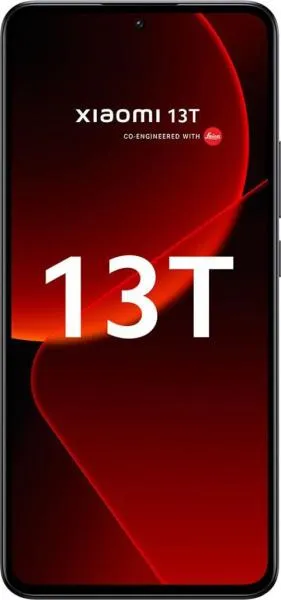
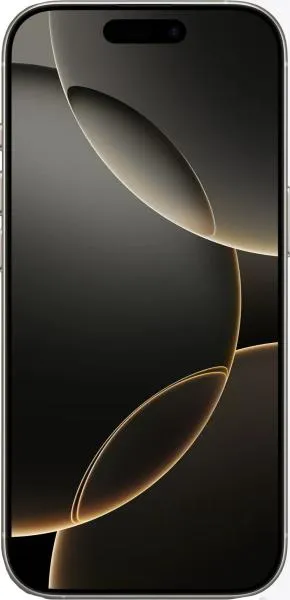
| Dimensions | 162.2 x 75.7 x 8.5 mm | 149.6 x 71.5 x 8.3 mm | iPhone 16 Pro is noticeably smaller and slightly thinner, making it more pocketable and easier to handle. |
| Weight | 193g | 199g | Negligible weight difference; both phones feel substantial in hand. |
| Build Materials | Not specified | Titanium | iPhone's titanium frame offers superior durability and scratch resistance compared to unspecified materials of the Xiaomi. |
| Display | |||
| Size | 6.67" | 6.3" | Xiaomi offers a larger screen for more immersive media consumption. iPhone provides a more one-hand-friendly experience. |
| Type | AMOLED | LTPO Super Retina XDR OLED | Both are high-quality displays. LTPO allows for dynamic refresh rate adjustment, potentially saving battery on the iPhone. |
| Resolution | 1220 x 2712 | 1206x2622 | Similar pixel density, resulting in sharp visuals on both. Xiaomi's slightly taller aspect ratio might be better for scrolling webpages. |
| Refresh Rate | 144Hz | 120Hz | Xiaomi's higher refresh rate offers smoother animations and scrolling. The difference might be noticeable in fast-paced games. |
| Peak Brightness | 2600 nits | 2000 nits (HBM), 1000nits (typ) | Xiaomi's significantly higher peak brightness ensures better visibility in direct sunlight. |
| Performance | |||
| Chipset | Mediatek Dimensity 8200 Ultra (4nm) | Apple A18 Pro (3nm) | A18 Pro is expected to outperform the Dimensity 8200 Ultra significantly due to Apple's chip design prowess and more advanced manufacturing process. |
| CPU | Octa-core (1x3.1 GHz Cortex-A78 & 3x3.0 GHz Cortex-A78 & 4x2.0 GHz Cortex-A55) | Hexa-core (2x4.05 GHz + 4x2.42 GHz) | Apple's CPU architecture generally offers superior single-core and multi-core performance compared to similar Android counterparts. |
| GPU | Mali-G610 MC6 | Apple GPU (6-core graphics) | Apple's custom GPU is known for its strong gaming and graphics performance, likely outperforming the Mali-G610 MC6. |
| RAM | 12GB | 8GB | Xiaomi offers more RAM. However, iOS's memory management often allows it to perform efficiently with less RAM than Android. |
| Storage | 256GB | 256GB, 512GB, 1TB | iPhone offers more storage options for users with high storage demands. |
| Battery | |||
| Capacity | 5000 mAh | 3582 mAh | Xiaomi has a significantly larger battery capacity, potentially leading to longer battery life. However, real-world battery life depends on various factors including software optimization and display usage. |
| Camera | |||
| Video Capabilities | 4K@30fps, 1080p up to 120fps | Up to 4K@120fps, 1080p@240fps | iPhone offers significantly more advanced video recording capabilities, including higher frame rates and resolutions, allowing for smoother slow-motion and more detailed footage. Specific camera sensor details are missing for comparison. |
2. Key Differences Analysis
Xiaomi 13T Advantages:
- Larger Display: More immersive for media consumption.
- Higher Refresh Rate: Smoother scrolling and animations.
- Higher Peak Brightness: Excellent outdoor visibility.
- Larger Battery Capacity: Potential for longer battery life.
- Lower Price: Offers competitive specifications at a more affordable price point.
iPhone 16 Pro Advantages:
- Superior Performance: Expected to be significantly faster and more powerful.
- Premium Build Quality: Titanium frame for enhanced durability.
- More Advanced Video Capabilities: Higher resolution and frame rate recording options.
- More polished ecosystem: Seamless integration with other Apple devices and services.
3. User Profiles & Recommendations
Xiaomi 13T: Ideal for users seeking a large, high-quality display, long battery life, and smooth performance at a more affordable price. Suitable for media consumption, gaming, and everyday tasks.
iPhone 16 Pro: Ideal for users prioritizing top-tier performance, premium design, advanced camera features, and seamless integration within the Apple ecosystem. Suitable for demanding tasks, professional content creation, and users heavily invested in the Apple ecosystem.
4. Decision Framework
Key Questions for Buyers:
- What is your budget? The iPhone 16 Pro commands a significantly higher price.
- What are your performance needs? For demanding tasks and gaming, the iPhone 16 Pro is expected to be superior.
- Which ecosystem do you prefer? Consider existing devices and services when choosing between Android and iOS.
My Choice: iPhone 16 Pro
While the Xiaomi 13T offers compelling features like a larger display and higher refresh rate, the iPhone 16 Pro's superior performance, premium build quality, advanced video capabilities, and expected longevity within the Apple ecosystem make it my preferred choice. The smoother overall experience, potentially longer software support, and access to Apple's tightly integrated ecosystem outweigh the benefits offered by the Xiaomi 13T, despite the higher price tag. The A18 Pro chip's expected performance lead makes it future-proof for demanding tasks and ensures a consistently smooth user experience for years to come. I prioritize these factors over screen size and refresh rate.
