1. Specifications Comparison
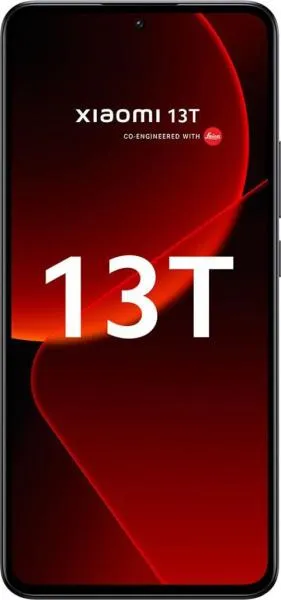
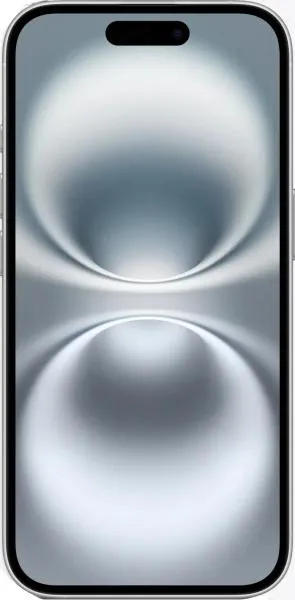
| Feature | Xiaomi 13T | Apple iPhone 16 | Practical Impact |
|---|---|---|---|
| Design | |||
| Dimensions | 162.2 x 75.7 x 8.5 mm | 147.6 x 71.6 x 7.8 mm | iPhone 16 is noticeably smaller and thinner, making it more pocketable and easier to handle with one hand. |
| Weight | 193g | 170g | iPhone 16 is lighter, reducing hand fatigue during extended use. |
| Build Materials | Not specified | Not specified | Cannot compare build quality and durability without material information. |
| Display | |||
| Display Size | 6.67" | 6.1" | Xiaomi 13T offers a larger screen for more immersive media consumption and multitasking, but may be less comfortable for one-handed use. |
| Display Type | AMOLED, 144Hz | Super Retina XDR OLED | Both offer excellent color accuracy and contrast. The 144Hz refresh rate on the Xiaomi 13T provides significantly smoother scrolling and animations compared to the iPhone's unspecified refresh rate (likely 60Hz). |
| Peak Brightness | 2600 nits | 2000 nits | Xiaomi 13T can get brighter, improving outdoor visibility in direct sunlight. |
| Resolution | 1220 x 2712 | 1179 x 2556 | Similar pixel density (Xiaomi: 446 ppi, iPhone: 460 ppi) resulting in sharp visuals on both devices. |
| Performance | |||
| Chipset | Mediatek Dimensity 8200 Ultra (4 nm) | Apple A18 (3 nm) | A18 is likely to offer superior performance and efficiency due to Apple's chip design expertise and more advanced manufacturing process. However, real-world performance depends on optimization. |
| CPU | Octa-core (1x3.1 GHz Cortex-A78 & 3x3.0 GHz Cortex-A78 & 4x2.0 GHz Cortex-A55) | Hexa-core (2x4.04 GHz + 4x2.20 GHz) | Core configurations differ, direct comparison difficult without benchmark data. Expect the A18 to excel in single-core performance, important for responsiveness. |
| RAM | 12GB | 8GB | Xiaomi 13T offers more RAM, potentially enabling better multitasking and smoother performance with demanding apps. However, iOS's memory management may offset this difference to some extent. |
| Battery | |||
| Capacity | 5000 mAh | 3561 mAh | Xiaomi 13T has a significantly larger battery, likely translating to longer battery life. Real-world usage will vary. |
| Other | |||
| OS | Android 13 | iOS 18 | Different operating systems cater to different user preferences regarding customization, app ecosystems, and privacy features. |
| Storage | 256GB | 256GB/512GB | iPhone offers a 512GB storage option for users needing more space. |
| Video Capabilities | Up to 4K@30fps | Up to 4K@60fps | iPhone 16 offers higher frame rate video recording for smoother, more detailed videos. |
2. Key Differences Analysis
Xiaomi 13T Advantages:
- Larger, higher refresh rate display: Provides a more immersive and responsive visual experience.
- Larger battery: Potentially significantly longer battery life.
- More RAM: May handle multitasking and demanding apps more effectively.
- Lower expected price: While not specified, Xiaomi typically positions its T series as more affordable flagships.
iPhone 16 Advantages:
- More compact and lightweight design: Easier to handle and carry.
- Likely superior processing power: A18 chip expected to offer better performance and efficiency.
- Higher quality video recording: Supports 4K at 60fps.
- iOS ecosystem: Known for its simplicity, security, and app quality.
3. User Profiles & Recommendations
Xiaomi 13T: Ideal for users who prioritize media consumption, gaming, multitasking, and long battery life, and prefer a larger display. Power users and those seeking value for money would be well-suited.
iPhone 16: Ideal for users who value a compact and premium design, prioritize performance and app ecosystem, and prefer the simplicity of iOS. Those seeking a reliable and easy-to-use device will appreciate the iPhone.
4. Decision Framework
Key Questions:
- What screen size and refresh rate do you prefer? Larger display with smoother scrolling (Xiaomi) or a more compact, one-hand-friendly device (iPhone)?
- Which operating system aligns with your preferences and needs? Android (Xiaomi) for customization and open ecosystem or iOS (iPhone) for simplicity and security?
- What is your budget and how important is battery life? Xiaomi likely offers better value, while iPhone prioritizes performance and premium design.
My Choice: iPhone 16
While the Xiaomi 13T offers compelling features like a 144Hz display and larger battery, I would choose the iPhone 16. The deciding factors for me are:
- Performance: Apple's A18 chip consistently delivers industry-leading performance and efficiency crucial for a smooth long-term user experience.
- Software Experience: I prefer the polished and optimized experience of iOS, along with its long-term software support.
- Compact Form Factor: The smaller size and lighter weight of the iPhone 16 better suit my preference for one-handed usability.
Although the Xiaomi offers a potentially better value proposition, the iPhone's superior performance, refined software, and compact design align better with my personal priorities. I acknowledge that the Xiaomi 13T would be a great choice for users who prioritize battery life, screen size, and a high refresh rate display.
