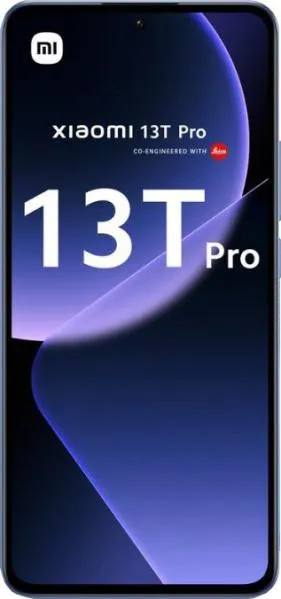

1. Specifications Comparison
| Feature | Xiaomi 13T Pro | ZTE nubia Z60 Ultra | Practical Impact |
|---|---|---|---|
| Design | |||
| Dimensions | 162.2 x 75.7 x 8.5 mm | 164 x 76.4 x 8.8 mm | Nubia is slightly larger and thicker. Negligible difference in daily use. |
| Weight | 200g | 246g | Nubia is significantly heavier, potentially noticeable during prolonged use. |
| Display | |||
| Size | 6.67" | 6.8" | Nubia offers a slightly larger screen, providing marginally more viewing area. |
| Type | AMOLED, 68B colors, 144Hz | AMOLED, 1B colors, 120Hz | Xiaomi boasts a higher refresh rate (smoother animations) and significantly more color depth (more vibrant and accurate colors), while Nubia's 1B colors are still excellent. |
| Resolution | 1220 x 2712 | 1116 x 2480 | Xiaomi has a sharper display (higher pixel density: 446 vs 400 ppi). |
| Peak Brightness | 2600 nits | 1500 nits | Xiaomi offers significantly higher peak brightness, ensuring better visibility in direct sunlight. |
| Performance | |||
| Chipset | Mediatek Dimensity 9200+ | Qualcomm Snapdragon 8 Gen 3 | Both are top-tier chipsets from 2023. Snapdragon 8 Gen 3 generally benchmarks slightly higher but real-world performance differences will be minimal for average users. |
| CPU | Octa-core (1x3.35 GHz Cortex-X3...) | Octa-core (1x3.3 GHz Cortex-X4...) | Both offer top-tier CPU performance. Minor architectural differences likely won't translate to noticeable performance variations in typical usage. |
| GPU | Immortalis-G715 MC11 | Adreno 750 | Adreno 750 generally provides better gaming performance. |
| RAM/Storage | 12GB/512GB, 16GB/1000GB | 12GB/256GB | Xiaomi offers more RAM and storage options, beneficial for power users and media storage. |
| Battery | |||
| Capacity | 5000 mAh | 6000 mAh | Nubia has a significantly larger battery, likely resulting in longer battery life. |
| Camera | |||
| Video Capabilities | Up to 8K@24fps, 1080p@240fps | Up to 8K@30fps, 4K@120fps | Both offer extensive video recording capabilities. Xiaomi offers higher frame rates at 1080p, while Nubia offers higher frame rates at 4K resolution. Specific image quality comparisons require sample footage analysis, which is not possible with the provided data. |
| Other | |||
| OS | Android 13 | Android 14 | Nubia ships with the newer Android version, offering potential feature and security advantages. |
2. Key Differences Analysis
Xiaomi 13T Pro Advantages:
- Superior Display: Brighter, sharper, smoother, and more vibrant.
- More RAM and Storage Options: Better for multitasking and large files.
- Lighter and more compact: Easier to handle and carry.
ZTE nubia Z60 Ultra Advantages:
- Larger Battery: Potentially significantly longer battery life.
- Slightly Larger Display: More immersive viewing experience.
- Newer Android Version: Latest features and security updates.
- Potentially Better Gaming Performance: Thanks to the Adreno 750 GPU.
Trade-offs:
- Xiaomi: Smaller battery for a lighter, more compact design. Slightly older OS.
- Nubia: Heavier and bulkier for a larger battery and screen. Less vibrant display. Less storage for the base model.
3. User Profiles & Recommendations
Xiaomi 13T Pro: Users who prioritize display quality, a smooth user experience, ample storage, and a lighter, more compact design. Ideal for media consumption, content creation, and general use.
ZTE nubia Z60 Ultra: Users who prioritize long battery life, a large screen, and potentially gaming. Suitable for heavy users, travelers, and gamers.
4. Decision Framework
Key Questions:
- How important is battery life? If it's paramount, the Nubia is likely the better choice.
- Do you prioritize display quality or screen size? Xiaomi offers a superior display in terms of brightness, sharpness, and color accuracy, while Nubia has a slightly larger screen.
- What's your budget and storage needs? Xiaomi offers more storage options.
My Choice: Xiaomi 13T Pro
While the Nubia Z60 Ultra boasts a larger battery and newer Android version, the Xiaomi 13T Pro's significantly superior display, lighter weight, and greater storage options are more compelling to me. I value a smooth, vibrant visual experience and portability, and the Xiaomi delivers in these areas. The difference in battery life can likely be managed with charging habits, and the slightly older Android version is less of a concern given Xiaomi's generally good track record with updates. The broader storage options also provide future-proofing. Ultimately, the Xiaomi 13T Pro better fits my personal priorities in a smartphone.
