1. Specifications Comparison
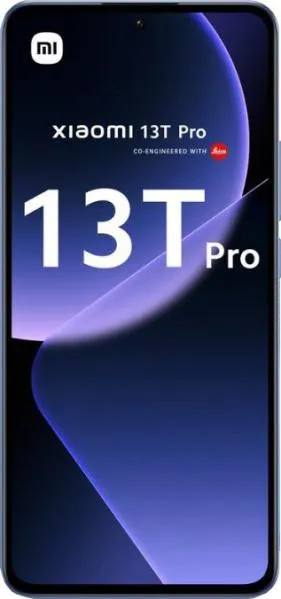
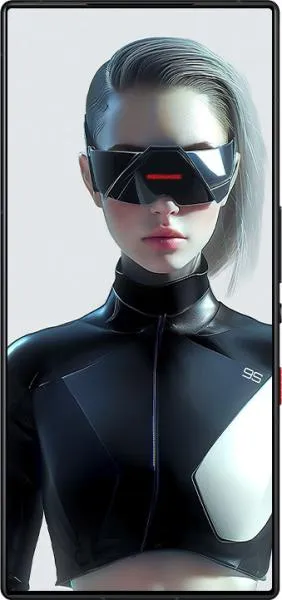
| Feature | Xiaomi 13T Pro | ZTE nubia Red Magic 9S Pro | Practical Impact |
|---|---|---|---|
| Design | |||
| Dimensions | 162.2 x 75.7 x 8.5 mm | 164 x 76.4 x 8.9 mm | Red Magic 9S Pro is slightly larger and thicker. |
| Weight | 200g | 229g | Noticeable weight difference; Xiaomi feels lighter in hand. |
| Display | |||
| Size | 6.67" | 6.8" | Negligible difference in screen real estate. |
| Type | AMOLED, 68B colors, 144Hz | AMOLED, 1B colors, 120Hz | Xiaomi offers smoother scrolling and animations with 144Hz and significantly better color accuracy with 68B colors. |
| Resolution | 1220 x 2712 | 1116 x 2480 | Xiaomi has a sharper display due to higher pixel density (446 ppi vs 400 ppi). |
| Peak Brightness | 2600 nits | 1600 nits | Xiaomi offers superior outdoor visibility in bright sunlight. |
| Performance | |||
| Chipset | Mediatek Dimensity 9200+ | Qualcomm Snapdragon 8 Gen 3 | Both are high-end chipsets, but Snapdragon 8 Gen 3 generally benchmarks higher, offering potentially better performance in demanding tasks and gaming. |
| CPU | Octa-core (1x3.35 GHz Cortex-X3 & 3x3.0 GHz Cortex-A715 & 4x2.0 GHz Cortex-A510) | Octa-core (1x3.4 GHz Cortex-X4 & 3x3.2 GHz Cortex-A720 & 2x3.0 GHz Cortex-A720 & 2x2.3 GHz Cortex-A520) | Snapdragon 8 Gen 3 has a newer architecture, likely resulting in improved efficiency and performance. |
| GPU | Immortalis-G715 MC11 | Adreno 750 (1 GHz) | Adreno 750 generally provides superior gaming performance. |
| RAM/Storage | 12GB/512GB, 16GB/1000GB | 16GB/512GB | Xiaomi offers a larger storage option. Both have ample RAM for multitasking. |
| Battery | |||
| Capacity | 5000 mAh | 6500 mAh | Red Magic 9S Pro offers significantly longer battery life. |
| Other | |||
| OS | Android 13 | Android 14 | Red Magic launches with a newer Android version, potentially offering longer software support and new features. |
| USB | USB Type-C 2.0 | USB Type-C 3.2 Gen 2 | Red Magic offers faster data transfer speeds. |
| Camera | |||
| Video Capabilities | Extensive options including 8K@24fps, 4K at various frame rates, slow-motion up to 240fps at 1080p | 8K@30fps, 4K at various frame rates, slow-motion up to 240fps at 1080p | Xiaomi offers slightly more video recording options, particularly for 8K. Specific image quality comparisons require camera samples. |
2. Key Differences Analysis
Xiaomi 13T Pro Advantages:
- Superior Display: Brighter, sharper, smoother, and more color accurate.
- More Storage Options: Offers a 1TB storage variant.
- Lighter and Slightly Smaller: More comfortable for one-handed use.
ZTE nubia Red Magic 9S Pro Advantages:
- Significantly Larger Battery: Longer usage time between charges.
- More Powerful GPU: Potentially better gaming performance.
- Newer Android Version: Likely longer software updates and new features.
- Faster Data Transfer: USB 3.2 Gen 2 provides quicker file transfers.
3. User Profiles & Recommendations
Xiaomi 13T Pro: Users prioritizing display quality, a lighter phone, ample storage, and a wide range of video recording capabilities. Suitable for content consumption, everyday tasks, and casual gaming.
ZTE nubia Red Magic 9S Pro: Users prioritizing long battery life, top-tier gaming performance, and the latest Android features. Ideal for heavy gamers, power users, and those who need extended battery life.
4. Decision Framework
Key Questions:
- What is your primary use case? (Gaming, content consumption, general use)
- How important is battery life?
- What is your budget and storage requirement?
Scenario-Based Recommendations:
- Heavy Gamer: ZTE nubia Red Magic 9S Pro
- Content Consumer: Xiaomi 13T Pro
- Balanced User: Consider individual priorities regarding battery life vs. display quality.
My Choice: Xiaomi 13T Pro
While the Red Magic 9S Pro offers a larger battery and potentially better gaming performance, the Xiaomi 13T Pro's significantly superior display is the deciding factor for me. The combination of 144Hz refresh rate, 2600 nits peak brightness, and 68 billion colors provides a vastly improved visual experience for everyday use, content consumption, and even gaming. I prioritize the smoother scrolling, vibrant colors, and excellent outdoor visibility offered by the Xiaomi's display. The lighter weight and more compact size are also preferable for my daily use. While the Red Magic's battery is tempting, I find the display differences more impactful on my overall user experience. I am also comfortable with potentially slightly less powerful gaming performance given that I am not a heavy mobile gamer.
